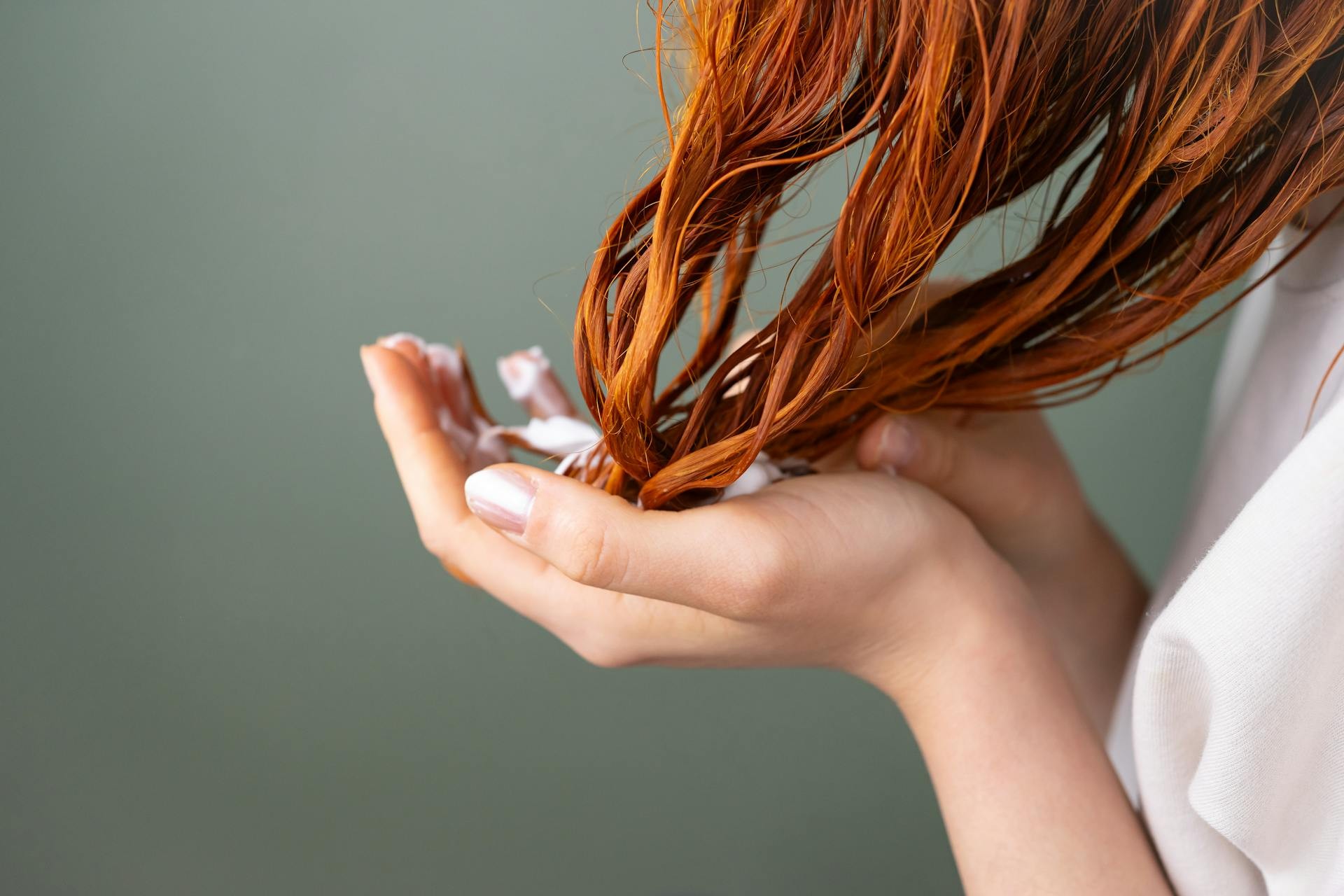

In the world of hair care, shampoo often steals the spotlight. It’s the refreshing cleanse, the lather, the fragrance that makes you feel instantly revived. But ask any hairstylist, trichologist, or beauty enthusiast, and they’ll tell you: the real magic happens in the conditioning step. Hair conditioners are not simply an optional extra. They are the quiet heroes, the backstage crew who ensure the star—your hair—truly shines.
Conditioning is about far more than softness or shine. At its core, a conditioner’s job is to restore balance to hair that has just been cleansed. Shampoo, while necessary, can strip away not only dirt and product buildup but also the natural oils that protect each strand. Conditioners step in to replenish moisture, smooth the cuticle, and protect against the daily wear and tear caused by styling, sun, pollution, and time itself. Without them, hair can quickly become rough, dull, and prone to breakage.
A Brief History of Hair Conditioners
The idea of conditioning the hair isn’t a modern one. Centuries before bottles lined drugstore shelves, people used natural oils and butters to nourish their locks—coconut oil in the tropics, argan oil in North Africa, shea butter in West Africa, and castor oil in the Caribbean. In the early 20th century, “brilliantines” were introduced—light oil-based preparations designed to make hair glossy and manageable. These early products eventually evolved into the creamy emulsions we know today, designed not only to beautify but also to protect hair structure.
How Conditioners Work
To understand why conditioners are so transformative, it helps to think about the structure of a single hair strand. Hair has a central core called the cortex, where keratin proteins give it strength and elasticity. Surrounding this is the cuticle—a layer of overlapping scales that lie flat when hair is healthy, reflecting light and giving that coveted shine. When hair is damaged, the cuticle lifts, making the surface rough, tangling more easily, and appearing dull.
Hair conditioners work by smoothing the cuticle back down. They contain cationic (positively charged) ingredients that are naturally attracted to the negatively charged surface of the hair. These ingredients—often quaternary ammonium compounds—adhere to the hair, coating it in a way that makes it feel silky and reduces friction. This protective coating also helps seal in moisture and shield the hair from further damage.
Choosing the Right Conditioner
Walking into a beauty aisle can be overwhelming. Moisturizing conditioners, strengthening conditioners, color-protecting conditioners, deep conditioners, leave-ins—the choices seem endless. The truth is, the best conditioner for you depends on your hair’s texture, porosity, and specific needs.
For dry or curly hair, richer, oil-infused formulas can provide the intense hydration necessary to keep coils defined and frizz-free. Fine hair often benefits from lightweight conditioners that detangle without weighing strands down. Chemically treated or bleached hair typically needs reparative conditioners that rebuild protein bonds and restore elasticity. And for those who color their hair, conditioners formulated with UV filters and color-lock technology can help maintain vibrancy between salon visits.
It’s also worth noting that your hair’s needs can change with the seasons. In winter, low humidity and indoor heating can sap moisture, making a more nourishing conditioner necessary. In summer, UV exposure and chlorine from swimming pools can mean you need extra protection and strengthening.
Myths and Misunderstandings
One common myth is that conditioners “repair” split ends. Unfortunately, once a hair strand is split, no product can fuse it back together permanently—the only solution is trimming. Conditioners can, however, temporarily smooth split ends so they’re less noticeable, preventing further fraying until your next haircut.
Another misconception is that people with oily hair should skip conditioner altogether. In reality, oil at the scalp doesn’t necessarily mean the ends are moisturized. Often, oily hair results from over-cleansing, which triggers the scalp to produce more sebum. Using a lightweight conditioner on the mid-lengths and ends can help maintain balance without greasiness.
The Ritual of Conditioning
Beyond the science, there’s something almost meditative about applying conditioner. After the rush of washing, you pause. You work the product through your hair, detangling gently, feeling the texture change beneath your fingers. You might take a few extra moments to let it sit, allowing the formula to do its work while you breathe in the scent. It’s a small act of self-care, one that can turn an ordinary shower into a spa-like ritual.
Some people like to boost this ritual with occasional deep conditioning hair treatments—masks or intensive conditioners left on the hair for ten to twenty minutes. These can be lifesavers for hair that’s been through heat styling, chemical processing, or simply the passage of time. Others swear by leave-in conditioners that continue to protect and hydrate long after you’ve stepped out of the shower.
Conditioner in a Sustainable Future
As beauty consumers become more conscious about their choices, conditioners are evolving too. Many brands are now offering sulfate-free, silicone-free, and biodegradable formulas. There’s a growing interest in refillable packaging, solid conditioner bars that cut down on plastic waste, and plant-based ingredients that are gentler on both hair and the planet.
The shift toward sustainability has also brought more transparency in labeling. People want to know not only that a conditioner will make their hair feel amazing, but also that it was produced ethically and with minimal environmental impact. This has led to a new era of “clean” conditioners—products free from certain synthetic ingredients, though the definition of “clean” can vary from brand to brand.
Listening to Your Hair
Ultimately, the best guide in the conditioner journey is your own hair. Pay attention to how it feels after using different formulas. Does it feel hydrated but light? Silky but not greasy? Does the style hold better or last longer? Hair will tell you what it likes if you learn to read its signals.
The truth is, conditioners are less about instant transformations and more about consistent care. Just as skin benefits from daily moisturization rather than a single miracle cream, hair thrives when conditioning is part of a regular, thoughtful routine.
Conditioners are, in many ways, the poetry of hair care—less about dramatic plot twists and more about the quiet, essential work that ensures beauty has the foundation it needs to flourish. They remind us that hair care isn’t just using a shampoo and cleansing away the old, but also about nourishing for what’s to come. Whether your hair is straight, curly, coily, thick, fine, colored, natural, long, or cropped close, a good conditioner is your ally in keeping it at its best.
In the end, the most luxurious hair isn’t necessarily the hair with the most expensive products or the most elaborate styling. It’s the hair that is healthy, balanced, and loved. And that’s exactly what a good hair conditioner helps you achieve—strand by strand, wash by wash, quietly making sure your hair has everything it needs to shine.
img. source: pexels.com - Beyzanur K.

