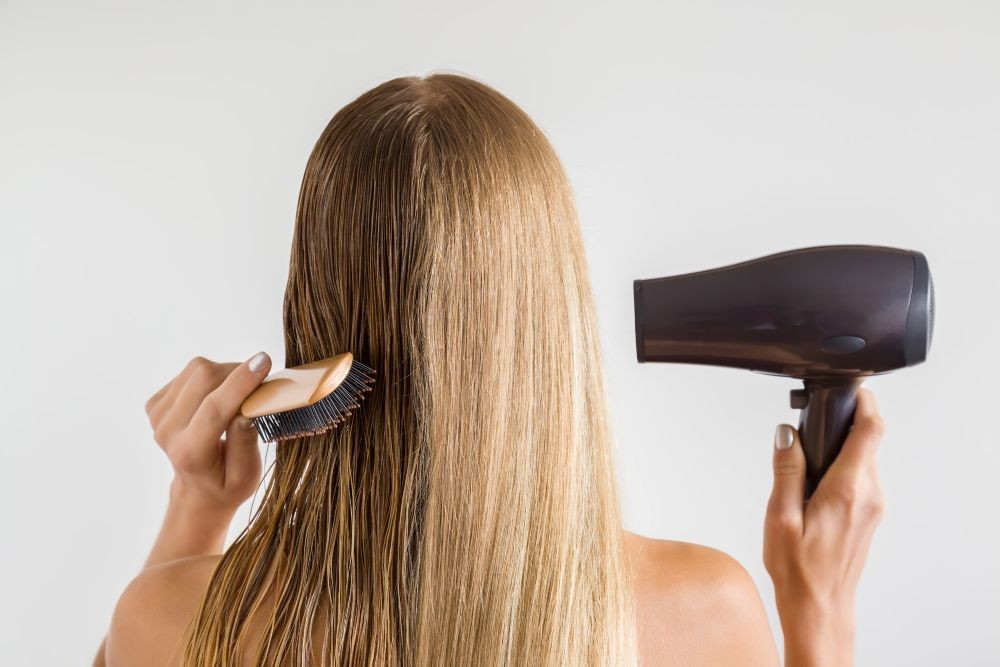

Hair care is more than just picking a pretty bottle of shampoo off a store shelf. Healthy, vibrant hair starts with proper washing techniques, smart drying habits, and—most importantly—choosing the right shampoo for your unique hair type. In this article, we’ll walk you through how to wash and dry your hair correctly, and help you navigate the overwhelming world of shampoos based on your hair’s specific needs.
Hair washing isn't just about cleanliness; it's also essential for scalp health and the longevity of your hair. Improper washing techniques or using the wrong shampoo can lead to issues like dryness, breakage, scalp irritation, or greasy buildup.
Step-by-Step: How to Wash Your Hair Correctly
- Detangle Before Washing
Use a wide-tooth comb or your fingers to gently detangle your hair. This prevents breakage during the wash. - Wet Your Hair Thoroughly
Use lukewarm water to wet your hair from roots to ends. Avoid hot water—it strips natural oils and can dry out your scalp. - Use the Right Amount of Shampoo
A quarter-sized amount is enough for short to medium-length hair. For longer hair, use a bit more. Focus on the scalp, where oil and buildup occur. Let the shampoo gently flow down to the ends as you rinse; no need to scrub the ends. - Massage, Don’t Scrub
Use your fingertips (not nails) to massage your scalp in small circular motions. This boosts circulation and ensures a thorough cleanse. - Rinse Completely
Leftover shampoo residue can irritate the scalp and dull your hair. Rinse until the water runs clear. - Repeat (if needed)
If your hair is particularly oily or has a lot of product buildup, a second wash may be beneficial. - Apply Conditioner (Mid-Length to Ends)
Conditioner should be used after shampooing to restore moisture. Avoid the scalp to prevent greasiness.
The Right Way to Dry Your Hair
How you dry your hair after washing is just as important as how you wash it. Here’s how to do it without damaging your strands:
- Squeeze, Don’t Rub
Use a soft cotton towel or a microfiber towel to gently squeeze out excess water. Avoid rough rubbing, which can cause frizz and breakage. - Air Dry When Possible
Letting your hair air dry is the least damaging option. However, don’t leave it dripping wet for long, as that can weaken the hair shaft. - Use a Blow Dryer the Right Way
If you must blow dry, use a heat protectant spray. Set the dryer to a medium or cool setting and hold it about 6 inches away from your hair. Move the dryer continuously to avoid concentrated heat on one area. - Don’t Brush Wet Hair
Wet hair is more fragile. Use a wide-tooth comb or a wet brush designed for detangling damp hair.
Choosing the Right Shampoo for Your Hair Type
Different hair types require different care. Using a shampoo tailored to your hair’s texture and needs can make a dramatic difference in appearance and health.
Oily Hair
Common issues: Greasy roots, limp strands, buildup.
What to look for:
- Clarifying shampoos (used occasionally to remove buildup)
- Volumizing or balancing formulas
- Ingredients like tea tree oil, salicylic acid, or charcoal
What to avoid:
- Heavy moisturizing shampoos
- Creamy or buttery textures
Tip: Don’t over-wash—2–3 times a week is usually enough, or you may cause your scalp to produce more oil.
Dry or Damaged Hair
Common issues: Split ends, brittleness, frizz, dullness.
What to look for:
- Hydrating or moisturizing shampoos
- Ingredients like argan oil, coconut oil, shea butter, glycerin, and keratin
- Sulfate-free formulas to prevent further dryness
What to avoid:
- Clarifying shampoos (unless used occasionally)
- Shampoos with high alcohol content
Tip: Follow up with a deep conditioning treatment once a week.
Curly or Coily Hair
Common issues: Dryness, shrinkage, frizz, tangles.
What to look for:
- Sulfate-free, gentle cleansers
- Moisturizing shampoos with oils and butters (shea butter, castor oil, jojoba oil)
- Co-wash products (conditioning cleansers) for low-poo routines
What to avoid:
- Harsh sulfates
- Protein-heavy shampoos (unless your hair needs strengthening)
Tip: Curly hair doesn’t need to be washed as often—once or twice a week is often enough.
Color-Treated Hair
Common issues: Fading color, dryness, damage from chemicals.
What to look for:
- Color-safe, sulfate-free shampoos
- UV protection
- Ingredients that preserve moisture and pH balance
What to avoid:
- Clarifying shampoos (unless color-safe and used sparingly)
- Harsh surfactants like SLS (Sodium Lauryl Sulfate)
Tip: Use cool water when washing to help seal the cuticle and prolong your color.
Fine or Thinning Hair
Common issues: Lack of volume, breakage, visible scalp.
What to look for:
- Volumizing or thickening shampoos
- Lightweight formulas
- Ingredients like biotin, caffeine, panthenol, and niacin
What to avoid:
- Heavy moisturizing or creamy shampoos
- Silicones that can weigh hair down
Tip: Blow-dry upside down for extra lift at the roots.
Tailor Your Routine
No one-size-fits-all solution exists in hair care. Seasonal changes, hormones, and lifestyle can all affect how your hair behaves. It’s worth experimenting and observing how your hair responds to different shampoos and routines.
Remember, healthy hair starts at the scalp. Don’t just treat your ends—take care of the roots, too. Wash gently, dry smartly, and pick the products that suit your unique hair needs.
And above all—be consistent. Like any beauty regimen, results come with time and care.

