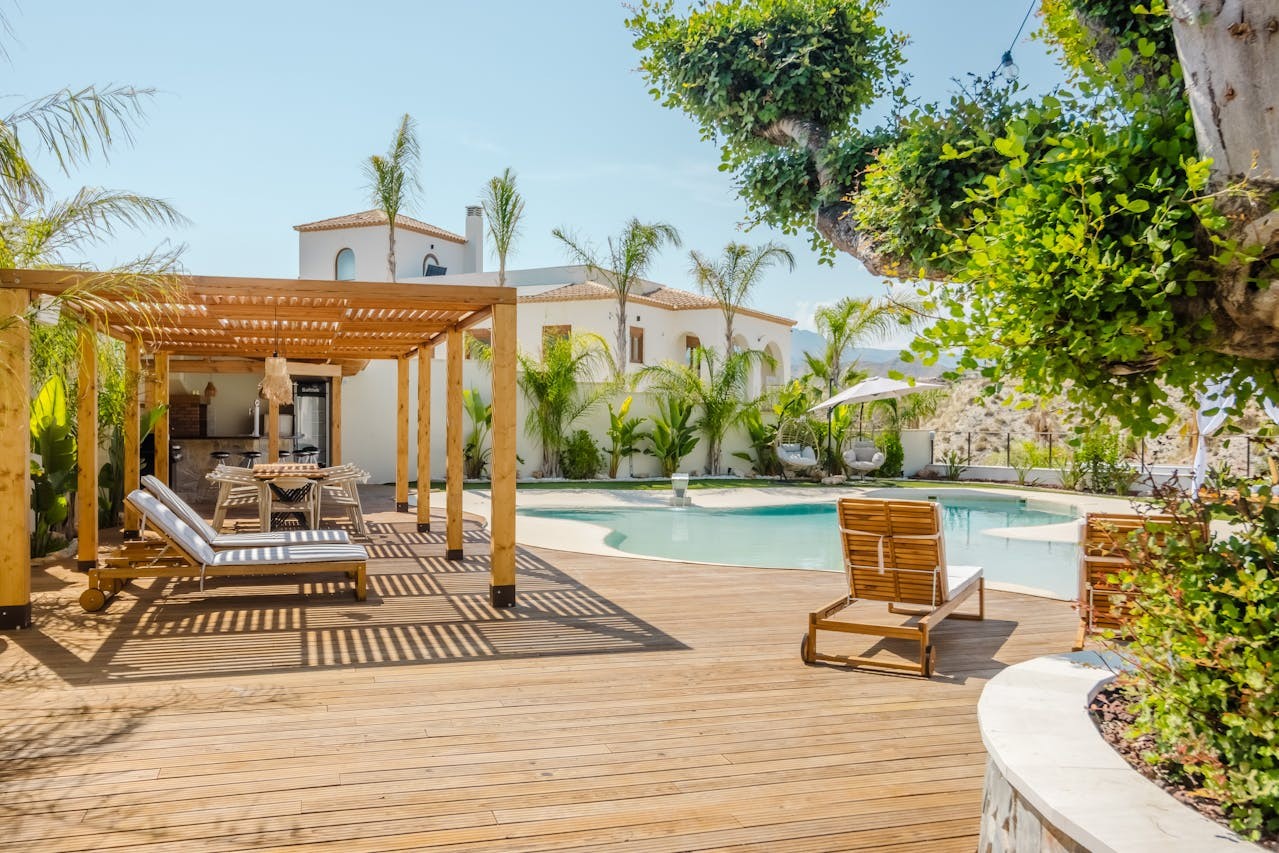

Wellness is no longer seen as a luxury. In today’s world, it has become a necessity, a way to reset, prevent illness, and nurture both mind and body. Across Europe, the landscape of wellness is evolving rapidly, offering a spectrum of experiences ranging from yoga retreats to cryotherapy centres, from traditional saunas to advanced medical spas and rehabilitation facilities. Wellness tourism in Europe has become one of the most sought-after travel trends in 2025, combining relaxation, longevity, and lifestyle transformation.
The Landscape of Wellness Activities
Wellness today is multi-dimensional. Detox wellness programmes focusing on gut health and clean eating are increasingly popular, alongside longevity and anti-aging therapies that combine cutting-edge science with traditional practices. Longevity clinics and medical spas are drawing global visitors who want comprehensive health assessments and personalised treatments. Mindfulness, meditation, and digital detox retreats are in high demand, especially as people look for ways to escape the constant pull of technology. The growth of yoga retreats in Europe has been particularly notable, with options catering to beginners seeking rest as well as advanced practitioners looking for intensive, immersive practice. Alongside these come spa therapies, thermal spring escapes, and integrative rehabilitation programmes that combine physiotherapy, holistic medicine, and mental wellness support.
The wellness trend is also being shaped by temperature-based therapies. Sauna culture is deeply rooted in European traditions, especially in Finland and the Baltics, while cryotherapy centres in Europe have surged as one of the most talked-about recovery methods. Together, these hot and cold treatments are believed to aid circulation, reduce inflammation, and foster both mental clarity and physical recovery. Cryotherapy Europe searches are booming, showing that this once niche treatment has gone mainstream.
Yoga Retreats: More Than Just Movement
For those who picture yoga retreats as purely about movement, the reality is much broader. A European yoga retreat typically combines multiple daily classes with meditation, breathwork, healthy meals, and often excursions into natural landscapes. The location can dramatically influence the experience: practicing sunrise yoga on a Mediterranean terrace feels entirely different from deep restorative sessions in a secluded Alpine lodge. Increasingly, retreats also blend in new practices such as sound therapy, energy healing, or even biohacking elements. Searches for “detox yoga retreat Europe” or “yoga retreat 2025” reflect this new demand. The growing emphasis on holistic lifestyle means participants are encouraged to carry lessons home with them, ensuring that the impact extends beyond the retreat itself.
Sauna and Cryotherapy: Harnessing Heat and Cold
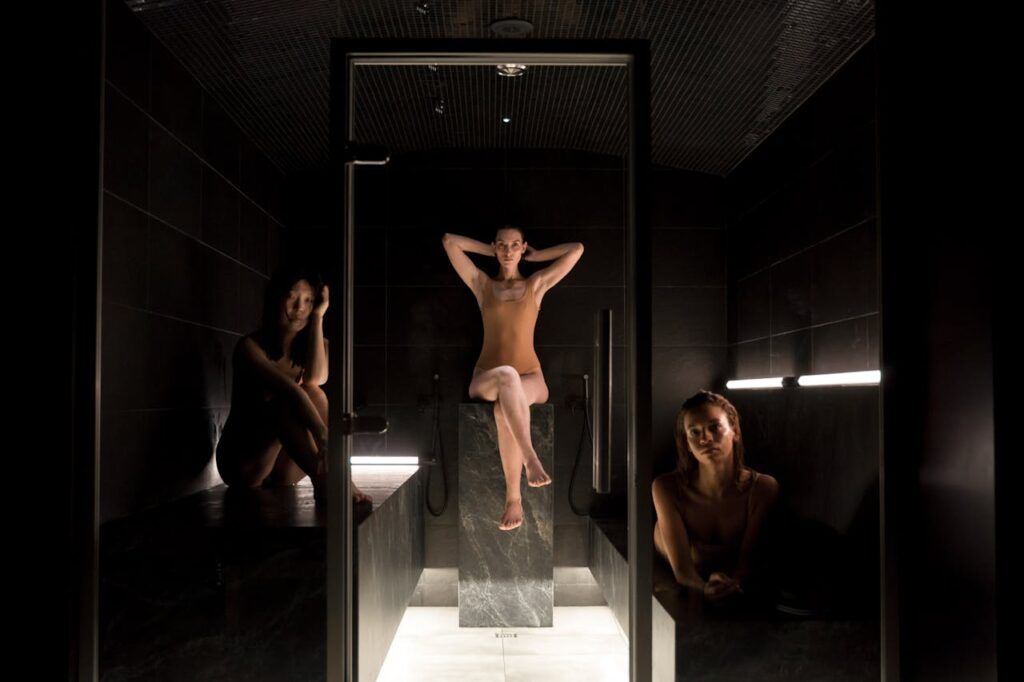
The interplay of hot and cold has been recognised for centuries, and Europe has refined these traditions to an art. Finnish-style saunas remain the gold standard, but many modern resorts offer variations such as infrared saunas or bio-saunas infused with herbs. The ritual of alternating heat exposure with cold plunges or snow baths is not just invigorating but also seen as highly beneficial for circulation and immune resilience. Resorts promoting sauna and spa resorts in Europe now often combine these practices with mindfulness or guided breathing techniques for enhanced results.
Cryotherapy, meanwhile, is one of the fastest-growing treatments in Europe’s wellness landscape. Whole-body chambers cooled to sub-zero temperatures are no longer confined to elite athletes. Wellness travellers now seek them out for their purported benefits: reduced inflammation, faster recovery, enhanced metabolism, and even mood elevation. Increasingly, wellness centres combine sauna sessions with cryotherapy, creating powerful contrast-therapy experiences that are attracting those searching for “cryotherapy wellness Europe.”
Rehabilitation and Medical Wellness
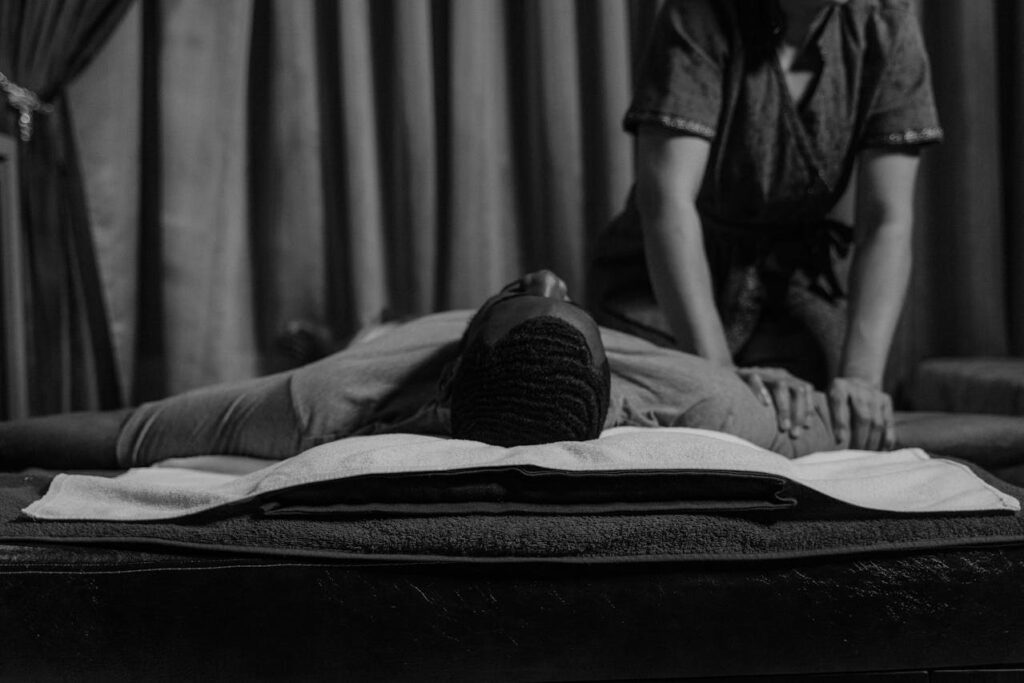
Wellness extends far beyond relaxation. For many, it includes recovery, rehabilitation, and preventive health. Across Europe, a new generation of medical spas and holistic rehab centres combine diagnostics, personalised nutrition, physiotherapy, and psychological support. These facilities are designed for those recovering from injury or surgery, but also for individuals dealing with chronic conditions or simply aiming to reset their lifestyle under medical guidance. Advanced diagnostics, from genetic testing to full metabolic assessments, are becoming the norm, ensuring programmes are tailored to each individual’s needs. Searches for “integrative rehab centre Europe” and “medical wellness retreat” highlight the growing appetite for these offerings.
Europe’s Leading Wellness Centres
Among the many wellness facilities in Europe, five stand out for their influence, innovation, and reputation.
SHA Wellness Clinic in Alicante, Spain has become synonymous with holistic medical wellness. Combining advanced diagnostics with natural therapies, it offers programmes for detox, longevity, weight management, and stress relief. Cryotherapy, hydrotherapy, and gourmet healthy cuisine complete the experience, all in a tranquil seaside setting. It is often ranked among the best medical spas in Europe.
In Germany and Austria, the Lanserhof group has built a reputation around integrative medicine and the FX Mayr approach to gut health. Their clinics, located in Tegernsee, Lans, and Sylt, offer state-of-the-art cryotherapy chambers, saunas, tailored detox programmes, and sleep monitoring, all against the backdrop of pristine mountain or seaside landscapes. These destinations are central to Europe’s wellness tourism market.
Villa Stéphanie, part of Brenners Park-Hotel & Spa in Baden-Baden, is a boutique medical spa that epitomises luxury. It combines beauty, detox, and medical treatments under one roof, with physiotherapy, diagnostics, and emotional wellness support forming part of a holistic approach to health. Its reputation as a leading luxury wellness spa in Europe makes it a top choice for discerning travellers.
For those looking for an expansive spa experience, Therme Erding in Bavaria is the largest thermal bath complex in Europe. While not a medical centre, it is a wellness paradise, with more than thirty-five different saunas, mineral pools, and a wide variety of treatments. It is a vibrant mix of traditional sauna culture and modern leisure, making it one of the most famous spa resorts in Europe.
Finally, Clinique La Prairie in Montreux, Switzerland has long been a leader in longevity and medical wellness. Known for its luxury and discretion, it offers tailored anti-aging programmes, advanced medical diagnostics, and integrative therapies, blending science with a serene lakeside environment. Searches for “longevity clinic Switzerland” often lead here.
Choosing the Right Experience
With so many options, selecting the right retreat or centre depends largely on personal goals. Someone seeking deep relaxation and spiritual connection may gravitate toward a yoga retreat in Spain or Italy, while an individual recovering from surgery might choose a medically supervised rehab centre in Germany or Switzerland. Budget and duration also play important roles: luxury medical spas command premium prices, while more accessible yoga and wellness retreats still offer transformative experiences. The setting is another crucial factor, with many travellers choosing based on whether they feel drawn to the sea, mountains, or countryside.
Looking Ahead: Emerging Trends
The wellness industry in Europe is continuously evolving. Longevity clinics are expanding rapidly, blending wellness with advanced science and genetic testing. Cryotherapy and contrast therapies are moving from niche to mainstream, often appearing in “wellness retreats Europe 2025” searches. Sustainability is now a core consideration, with retreats focusing on organic farm-to-table dining, eco-friendly construction, and reduced environmental footprints. Digital detox retreats are becoming particularly popular as people seek refuge from constant connectivity. Above all, integration is the word of the moment: the most successful centres are those that combine medical expertise, holistic therapies, and lifestyle practices into a seamless programme.
Wellness in Europe is a rich and varied landscape, offering something for every type of traveller. Whether you are drawn to yoga retreats on a Mediterranean island, cryotherapy chambers in the Alps, thermal spa complexes in Bavaria, or cutting-edge longevity clinics in Switzerland, the options are unparalleled. More than just a holiday, these experiences are designed to reset, recharge, and transform your life well beyond the time spent on site. In an age where wellbeing is the ultimate luxury, Europe stands at the forefront, setting the gold standard for global wellness tourism.
