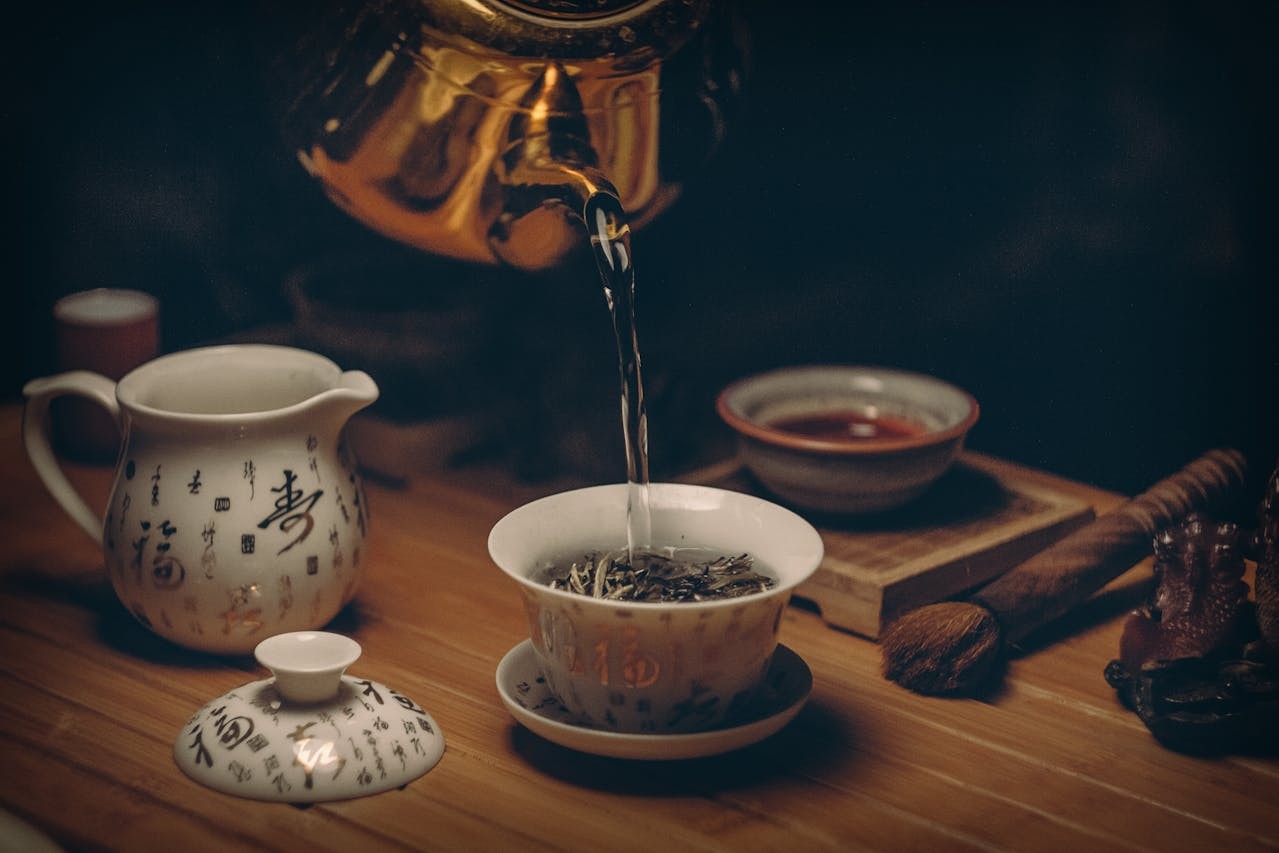

Tea is more than just a beverage. It’s a living tradition, a health tonic, a cultural symbol, and a dynamic global business. In this article we’ll explore tea from its origins, its health promises, its role in world culture, its many species and flavors, and how the tea market is changing today. Also you’ll find SEO-friendly keywords woven in throughout, like green tea benefits, herbal tea market, matcha, black tea, tea culture, etc.
Origins and History of Tea
Tea’s history begins deep in antiquity. The Camellia sinensis plant, from which “true” tea is made, has been found in wild stands in southwest China dating back millions of years; written records suggest that by around 3.000 BCE people in China were already consuming leaves in various forms. The legend of Emperor Shennong tasting tea when a leaf blew into his boiling water illustrates how tea moved from medicinal curiosity to daily drink.
Over centuries tea cultivation and preparation spread through Asia: to Japan, Korea, Tibet; later to Southeast Asia, India, and eventually via trade to Europe in the 16th-17th centuries. Highly prized teas like Chinese green teas, Japanese matcha, Indian Assam and Darjeeling black teas developed distinct regional styles. In colonial times, tea also became tied to empire, trade wars and taxes (think the British in India and Ceylon, or the Opium Wars with China).
From loose leaves to pressed cakes (e.g., pu-erh), fermented, partially oxidized (oolong), or fully oxidized (black tea) styles, tea’s diversity evolved in form alongside evolving tastes.
Tea as a Health Product
Nowadays, one of the biggest drivers behind tea consumption is its health image. Keywords like antioxidants, polyphenols, anti-inflammatory properties, immune support, and weight loss are increasingly associated with tea in research and marketing.
True teas (made from Camellia sinensis) — black, green, white, oolong, yellow, dark/pu-erh — carry compounds such as flavonoids, catechins (EGCG in green tea being one of the most studied), caffeine (moderate amounts), theanine (especially in shaded teas like matcha), and trace minerals. These contribute to antioxidant effects, cardiovascular protection, improved metabolism, possible anti-cancer effects, and sometimes better cognitive function or relaxation.
Herbal teas or tisanes (which are not from Camellia sinensis but from herbs, flowers, roots) like chamomile, hibiscus, lemongrass, ginger, rooibos etc. are prized for digestive support, calming effects, immune boosting, and variety with zero or low caffeine. Scientific studies are increasingly exploring their antioxidant activity, anti-inflammatory potential, impact on stress and sleep, etc.
Of course, many health claims are preliminary; effects depend on type of tea, dosage, how it is processed or brewed. Still the trend toward viewing tea as a functional beverage is strong.
Species, Varieties & Tastes
Varieties in tea are defined by species, cultivation, processing, terroir, and style.
- Main species: Camellia sinensis has two main varieties: var. sinensis (Chinese type) and var. assamica (larger leaves, suited to tropical climates). These underlying genetics contribute to flavour, aroma and leaf structure.
- Processing styles:
- Green tea (minimal oxidation): fresh, grassy, vegetal, may be steamed (like Japanese styles) or pan-fried (Chinese).
- White tea: very lightly processed; delicate, subtle.
- Yellow tea: rare, somewhere between green and white, with slight yellowing process.
- Oolong: partially oxidized; flavour ranges from floral to toasty depending on level of oxidation and roasting.
- Black tea: fully oxidized; bold, caffeinated, often with malty, citrus or robust flavours.
- Dark teas / Pu-erh: post-fermented or aged teas with earthy, sometimes musty or woody flavours.
- Herbal and specialty teas: Things like matcha (powdered green tea from Japan, with shade grown leaves creating higher theanine content) or emerging lesser known plants like Camellia ptilophylla (“cocoa tea” with low natural caffeine) or yaupon (a native North American caffeinated leaf) are expanding the repertoire.
- Taste and terroir: Soil, altitude, climate, harvest flush (first spring flush, second, etc.), shade, and processing technique all influence flavour. For example Sikkim tea (Temi) is known for its floral and slightly sweet first flush; autumn flush teas are more mellow and warm.
Tea as a Cultural Product
It is deeply entwined with culture, ritual, identity and social life. Ceremonies such as the Japanese tea ceremony (chanoyu), Chinese gongfu tea, British afternoon tea, Moroccan mint tea, highland tea rituals in Darjeeling or among indigenous cultures, all show how tea is more than a drink — a symbol of hospitality, status, discipline, artistry.
In many societies tea has played a social role: gatherings, trade, diplomacy. In colonial history tea was political: taxes on tea sparked resistance (Boston Tea Party), trade routes influenced fortunes.
More recently tea appears in art, literature, fashion, design. Specialty tea shops and tea culture cafés are growing in many major cities. Social media plays a role, especially for visually striking teas (like matcha’s bright green powder or flowering tea balls, or cakes of aged pu-erh). The aesthetics of tea — teaware, presentation, rituals of brewing — are part of culture consumption.
The Global Tea Market: Trends & Business
The tea market is huge and evolving rapidly. Here are what current data and forecasts suggest (with SEO-friendly focus: tea market size, organic tea, herbal tea trend, ready to drink tea, matcha boom, online tea sales, etc.):
- Market size & projections: The global tea market was estimated in the tens of billions USD and is projected to grow significantly over the next decade. One analysis forecasts the tea market rising from about USD 49.5 billion in 2023 to nearly USD 98–100 billion by around 2033, nearly doubling.
- Health & wellness trend: Increasing consumer awareness of lifestyle diseases (obesity, diabetes, cardiovascular issues) is boosting demand for green tea, matcha, herbal teas, functional teas. Tea products fortified with ingredients, or specifically marketed for antioxidants, brain health, immune system support, weight management are capturing market share.
- Organic, natural, sustainable: More people want tea that is organic, ethically produced, low pesticide; packaging that is eco-friendly; certification for fair trade. Also concerns about climate change, sustainability of tea growing regions.
- Format innovations: Ready-to-Drink (RTD) teas, tea bags, instant tea powders, matcha powders, and even novel format products (blends, flavored teas) are rising. Convenience is important. Online sales are growing fast.
- Regional markets: Asia Pacific remains dominant both in production and consumption. Countries like China, India, Sri Lanka, Kenya are major growers. But there’s growth in Middle East/Africa, Europe, and Latin America especially in premium and specialty segments. Also rising demand for authentic and regional teas (e.g. single origin darjeeling, artisanal oolongs, matcha from specific Japanese regions).
- Challenges: Climate change, erratic weather, labour costs, supply chain disruption, adulteration issues, consistency of quality. Also balancing cost with sustainability certifications. For premium teas, small producers sometimes struggle to meet demand or scale.
How to Enjoy Tea (and What This Means for Consumers)
Knowing all this helps when selecting tea. Here are some practical thoughts that tie culture, health, taste and market trends together:
- For health benefits, choose teas with minimal processing (green, white) or specialty herbal blends. But be aware of caffeine content if consuming later in the day.
- When possible, buy from reputable sources, especially for matcha or premium teas, to ensure purity (no heavy metals, mold, etc.).
- If sustainability matters to you, look for organic, fair-trade, or terroir certifications. Consider loose leaf or minimal packaging.
- Explore different species and varieties: trying oolong, pu-erh, or lesser known teas like cocoa tea or yaupon opens up new flavor profiles.
Conclusion
Tea’s journey spans thousands of years—from its discovery and use in ancient China as both drink and medicine, through global trade, colonial politics, and cultural rituals, to its modern status as a health and lifestyle product. Its many species and flavour profiles offer something for almost everyone: from the grassy richness of green tea to the floral dance of certain oolongs, from the deep earth of pu-erh to caffeine-free herbal infusions.
On the market side, health & wellness trends, sustainability, convenience, and specialty teas are defining the next decades. Tea isn’t just surviving—it’s thriving, evolving, and finding new fans every day.
Whether you’re a casual tea drinker, a connoisseur, or someone interested in business, there is no lack of depth, flavour, or opportunity in tea.
