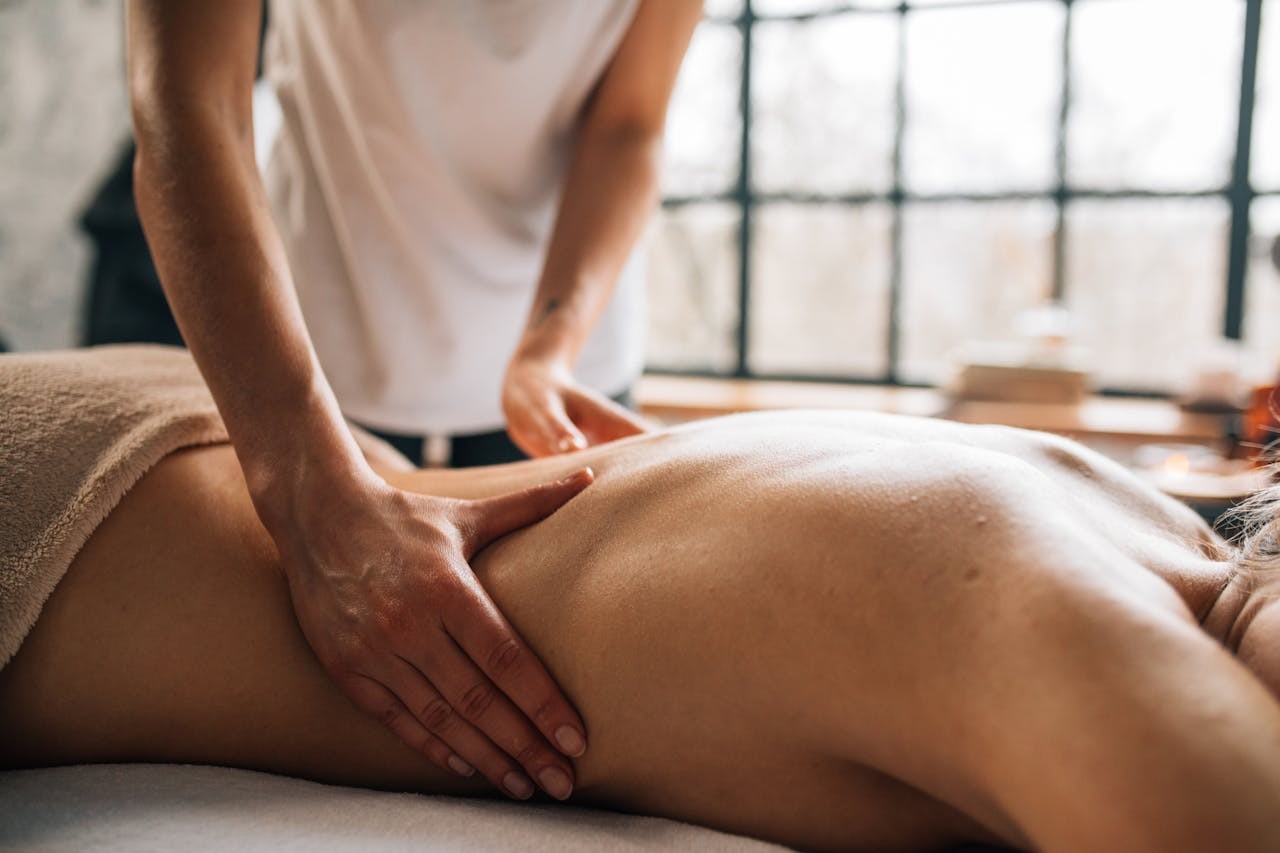

There is something magical about human touch. The simple layering of palms over tense muscles or the gentle pressure along a weary spine can feel like a door opening inside the body. Stress steps out. Calm steps in. For thousands of years, massage has served as one of the most universal expressions of care. It is medicine for the muscles, therapy for the spirit, and a reminder that even in a noisy world our bodies crave connection.
Although today we can book a Swedish, deep tissue or hot stone session with the tap of a phone screen, massage therapy traces its roots deep into ancient civilizations. When we stretch back through time, we find priests, monks, healers and doctors all practicing what is essentially the same sacred philosophy. Touch heals. Touch matters.
A Journey That Begins in Antiquity
Imagine a healer in ancient China, more than 4,000 years ago, using intuitive strokes to ease pain. Traditional Chinese Medicine believed that energy known as Qi flows through meridians in the body. When that flow is disrupted, illness appears. Massage was used as a method to open energetic pathways again. A smooth flow of Qi meant harmony in body and mind.
Meanwhile, in India, Ayurveda was blossoming. The word itself translates to the science of life. Here, massage was never considered a luxury. It was a necessary act of wellness woven into daily routines, especially using warm herbal oils to nourish the skin and balance the doshas. To this day, Abhyanga massage remains central to Ayurvedic self-care, almost like a love letter written from you to your own muscles.
The ancient Egyptians also left their mark. Tomb paintings show massage-like techniques being used on both workers and royalty. Given the monumental labor required to build pyramids, these treatments may have been quite the relief after a long day under the desert sun.
And then come the Greeks and Romans, who took the practice and infused it with athletic culture. Hippocrates, often called the father of medicine, advocated for rubbing to treat physical ailments. Roman bathhouses became social spaces where people cleansed, steamed and received therapeutic massage. It was wellness united with community and indulgence.
Fast forward to today and massage is a respected therapeutic profession around the world. The threads from each ancient culture have been woven into an impressive tapestry of techniques and philosophies. Yet at its heart remains the same simple idea: help the body heal itself through touch.
The Philosophy of Touch
The human body holds tension the way a weathered tree holds rings. Every stressor, every exhausting day, every unspoken worry settles somewhere beneath the skin. Massage acts like a wise translator, communicating with muscles where words might fail.
Philosophically, massage acknowledges that wellness is not just physical. The body and mind are in constant conversation. Stiff shoulders often come with tight thoughts. When we soften one, the other often follows.
There are a few key principles beneath most massage traditions:
- Balance leads to harmony
- Healing is already inside the body
- Presence is powerful
- Touch is a universal language
This philosophy paints massage as something more than pampering. It is a practice that honors our human need for connection to ourselves and to others.
The Science of Bliss
As poetic as massage may sound, it is also supported by an impressive lineup of scientific benefits. When muscles are manipulated and pressure is applied, the nervous system responds like an orchestra playing a relaxing concerto.
Here are just some of the well researched perks:
Reduced stress and anxiety
Massage lowers cortisol, the stress hormone, while increasing serotonin and dopamine.
Pain relief
From chronic back pain to post workout soreness, massage helps reduce inflammation and interrupt pain signals.
Better blood circulation
Improved circulation delivers oxygen and nutrients that help muscles repair faster.
Improved flexibility and mobility
Looser fascia means a body that moves with more grace and less effort.
Immune support
Lymphatic drainage keeps the body’s waste removal systems running smoothly.
Mental and emotional wellbeing
A therapy table becomes a sanctuary where worry is not invited inside.
Massage Styles for Every Body
Because massage has traveled through so many cultures and centuries, it now shows up in a variety of beautiful forms. Swedish massage, perhaps the most widely offered, uses long flowing strokes and kneading to create a deeply relaxing experience. Deep tissue massage explores further, working into layers of muscle that hold stubborn tension and chronic pain. Hot stone massage warms muscles like sunlight on a cold day, helping the body release stress more quickly. Meanwhile, reflexology focuses on pressure points in the feet that correspond to different organs, treating the entire body through the gateway of the soles.
Other styles carry the flavor of their origin cultures. Thai massage is sometimes nicknamed yoga for the lazy because the practitioner moves and stretches the client into gentle postures, awakening flexibility and energy flow. Shiatsu from Japan uses rhythmic pressure along meridians to rebalance the body, while sports massage is tailored for athletes who demand peak performance from hardworking muscles. For those who prefer featherlight touch, lymphatic massage provides subtle strokes that support detoxification and calm the nervous system. Each modality speaks a different dialect of the same language of care.
Massage for Modern Life
We may not be building pyramids or marching through ancient marketplaces anymore, but the modern world brings its own unique stress monsters. Curved backs over screens. Restless minds in busy cities. Jobs where pressure is more mental than physical. The body absorbs it all. Massage serves as a kind of recalibration.
Picture yourself arriving for a session after a long week. The air smells faintly of lavender. A hush settles. As your muscles soften beneath practiced hands, you might notice thoughts drift away like leaves in a stream. Ten minutes pass and suddenly you are not thinking about deadlines or errands. You are simply a person breathing. A person reconnecting with the core of their own calm.
Perhaps that is the most precious gift massage offers. A return to ourselves.
Touch as Tradition, Touch as Future
We have come full circle from ancient practices to modern spa culture. Yet with all our progress in technology and medicine, people still choose this primal form of care. The reason is beautifully human. Massage acknowledges that being alive can be tough sometimes. Muscles knot from effort. Hearts tighten from worry. Bodies rise each day ready to keep going. A little help is allowed.
This practice that began thousands of years ago with healers and herbs is now available in clinics, gyms, spas and wellness centers everywhere. Techniques have evolved and multiplied, yet the same truth remains. Healing touch reminds us that we are not machines. We are living beings who thrive when we feel cared for.
The Takeaway
Massage is far more than a luxury indulgence reserved for special occasions. It is a time honored gateway to wellness that supports both the ancient wisdom of the body and the modern science of stress relief. It reaches muscles, yes, but also moods, memories and the very rhythms that keep us well.
So the next time life feels heavy or your shoulders resemble boulders, remember that help can come from hands that knead, glide and soothe. Massage is not just a treatment. It is a celebration of the human body in all its complexity. It is an invitation to slow down, breathe deeply and let healing flow like it has for thousands of years.
Touch heals. Touch matters. And massage keeps that truth alive, one loving stroke at a time.
