
Climate change, rising energy costs, and the desire for a healthier living environment have pushed energy efficiency to the top of many homeowners’ and renters’ priorities. Whether you live in a city apartment or a fully detached house in the suburbs, making your home more energy efficient doesn’t just reduce your carbon footprint—it can also cut down your bills and improve your comfort year-round.
This guide explores practical strategies for saving energy at home, covering everything from heat insulation to everyday habits. The focus is on creating a balance: lowering consumption while keeping your living space comfortable, healthy, and future-ready.
Why Energy Saving Matters
Energy efficiency is more than just a personal finance issue. Every kilowatt-hour of electricity or cubic meter of natural gas saved means fewer greenhouse gas emissions. The energy sector remains one of the largest contributors to climate change, with heating, cooling, and powering our homes accounting for a significant portion.
On a household level, energy saving has three main benefits:
- Lower energy costs – Small adjustments can lead to noticeable savings on monthly bills.
- Improved comfort – Insulation, efficient heating, and proper ventilation create a stable indoor climate.
- A healthier environment – Less energy use means less pollution, contributing to cleaner air and a better quality of life.
Understanding Heat Loss and Insulation
The biggest factor in household energy consumption is how efficiently your home retains heat in winter and cools down in summer. Poor insulation is like leaving a window half open—it forces your heating or cooling system to work harder, wasting energy and money.
For Apartments
Apartments often benefit from shared walls, which naturally reduce heat loss. However, windows and external walls are still major weak points. Double- or triple-glazed windows, insulated curtains, and draft-proofing seals around doors can make a big difference. If you rent, removable window insulation film is an inexpensive option that can be installed and removed seasonally.
For Detached Houses
Detached homes typically lose more heat because all sides are exposed to the elements. Here, roof and wall insulation are critical. Attic insulation, cavity wall filling, or external cladding can drastically reduce energy use. Although upfront costs may be higher, the long-term savings on heating and cooling can be significant.
Don’t forget floors: insulating under wooden or suspended floors prevents cold drafts and increases comfort. Even simple rugs help in minimizing heat loss through bare floors.
Efficient Heating and Cooling
Heating and cooling systems are responsible for the majority of household energy bills. Optimizing them is key to energy saving.
- Smart Thermostats: These allow you to control temperature more precisely, ensuring you only heat or cool when needed. Many models learn your schedule and adjust automatically, balancing comfort with savings.
- Regular Maintenance: A well-maintained boiler, furnace, or air conditioning unit runs more efficiently and lasts longer. Annual servicing ensures filters, ducts, and systems are working at their best.
- Zoned Heating: In larger homes, heating only the rooms you use can drastically cut costs. Portable heaters or radiant panels in specific spaces are often more efficient than heating the entire house.
- Natural Ventilation: In apartments, cross-ventilation during cooler evenings can reduce reliance on air conditioning. In houses, strategically opening upper and lower windows allows hot air to escape naturally.
Lighting: Small Changes, Big Impact
Lighting is a simple place to start saving energy.
- Switch to LEDs: LED bulbs use up to 90% less energy than traditional incandescent bulbs and last years longer.
- Maximize Natural Light: Rearranging furniture or using lighter-colored wall paints can reduce the need for artificial lighting during the day.
- Smart Controls: Motion sensors or timers ensure lights aren’t left on unnecessarily.
In apartments, where natural light might be limited, energy-efficient task lighting (such as desk lamps with LEDs) can provide brightness without waste.
Appliances and Everyday Habits
Appliances account for a significant share of household energy use, but a few mindful habits can keep their impact low.
- Energy-Efficient Models: When replacing appliances, look for energy labels (such as A+++ in Europe or ENERGY STAR in the U.S.). These models use significantly less electricity.
- Unplug Idle Devices: Many electronics consume energy even in standby mode. A power strip makes it easy to switch off multiple devices at once.
- Cold Wash Laundry: Washing clothes in cold water can cut energy use per load by up to 80%. Modern detergents are designed to work effectively at lower temperatures.
- Air Drying: Whether you live in an apartment with a balcony or a house with a backyard, drying clothes naturally saves energy and extends garment life.
Water Heating and Usage
Heating water is another hidden energy drain. Small changes can make a big difference:
- Insulate Water Tanks and Pipes: Prevents heat loss, keeping water hot for longer.
- Low-Flow Fixtures: Showerheads and faucets designed to reduce flow use less hot water without sacrificing comfort.
- Efficient Usage: Shorter showers and full dishwasher loads reduce overall water and energy demand.
Renewable Energy Options
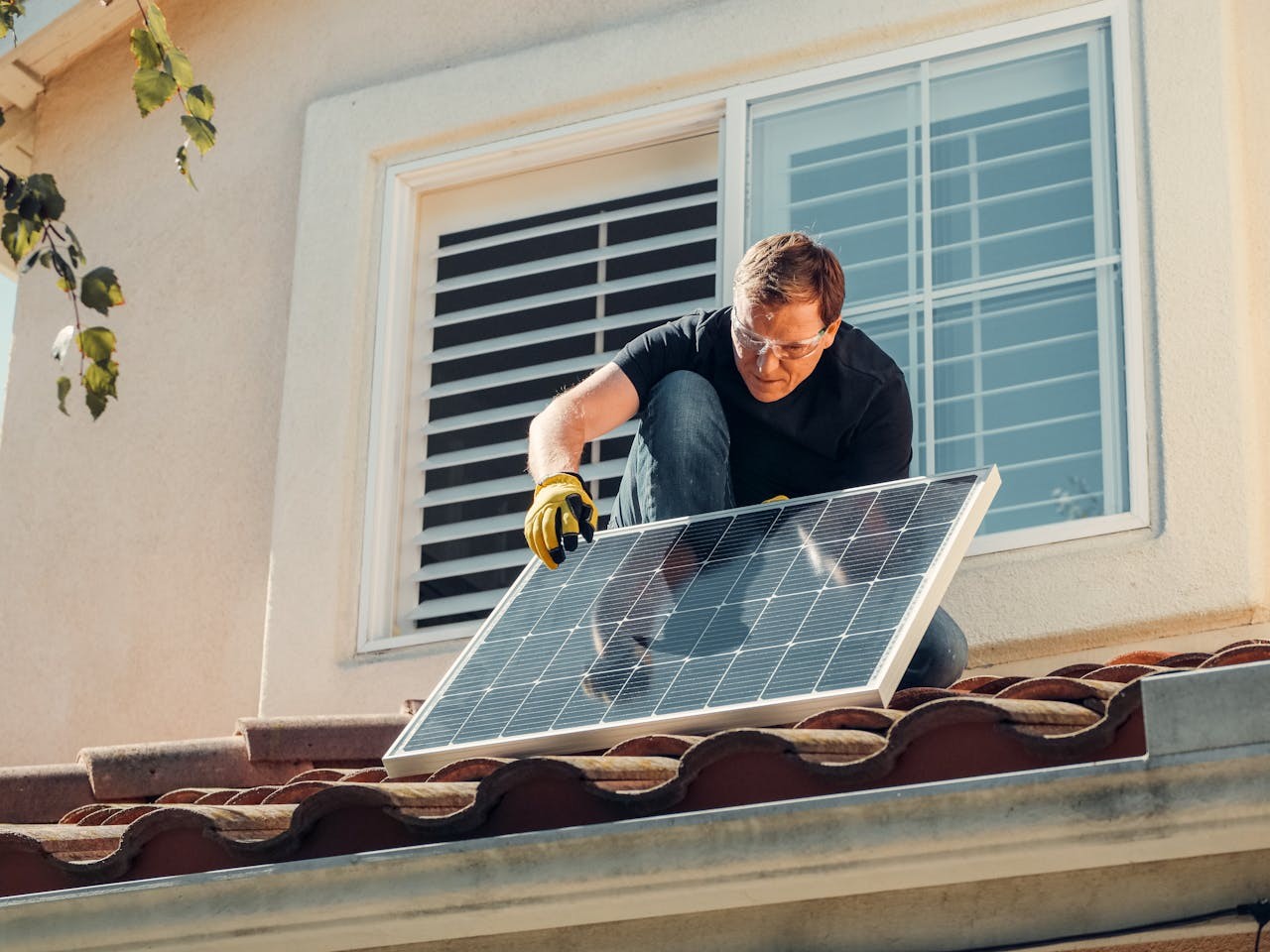
For those living in detached houses, renewable energy systems can transform long-term energy use. Solar panels, solar thermal water heating, or even small wind turbines are becoming more accessible.
- Apartments: While individual panels may not be possible, some apartment complexes install communal systems. Alternatively, renters can subscribe to green energy providers that supply renewable electricity.
- Houses: Homeowners have more flexibility. Installing rooftop solar panels reduces reliance on the grid, while battery storage systems keep energy available during peak hours.
Governments in many regions offer subsidies or tax incentives for renewable energy installation, making it a financially viable choice.
Indoor Air Quality and Healthy Living
Energy saving should not come at the cost of indoor air quality. A healthy living environment requires a balance between insulation and ventilation.
- Avoid Over-Sealing: While insulation is essential, homes still need fresh air circulation to prevent mold and indoor pollutants from building up.
- Mechanical Ventilation with Heat Recovery (MVHR): These systems exchange stale indoor air with fresh outdoor air while recovering heat, combining efficiency with health.
- Houseplants: Simple, natural ways to improve indoor air quality while adding comfort and beauty to your space.
A well-insulated, energy-efficient home not only saves money but also creates a calmer, healthier environment that supports wellbeing.
Financial and Environmental Payoff
Investing in energy-saving measures pays off in two key ways:
- Short-Term Savings: Lower monthly bills from reduced heating, cooling, and electricity consumption.
- Long-Term Value: Insulated and efficient homes often have higher property values, as buyers increasingly seek homes with lower running costs and smaller carbon footprints.
On a global scale, millions of households adopting energy efficiency translates to a measurable reduction in greenhouse gas emissions, helping slow the progression of climate change.
Step-by-Step Strategy for Energy Saving
If the idea of overhauling your home feels overwhelming, start small.
- Begin with low-cost changes: LED lights, unplugging devices, draft-proofing.
- Move to mid-range upgrades: smart thermostats, efficient appliances, thicker curtains.
- Plan for long-term investments: insulation, renewable energy systems, ventilation upgrades.
By gradually layering improvements, you not only spread out costs but also ensure that each step contributes to an overall more sustainable home.
Things to keep in mind
Saving energy at home is a win-win. For the planet, it means fewer emissions and less strain on natural resources. For your household, it translates into lower energy costs, a more comfortable living environment, and a healthier lifestyle.
Whether you’re in a small apartment with limited options or a detached house with space for solar panels and advanced insulation, there’s always something you can do to reduce consumption. With climate change pressing on and energy prices rising, every effort—big or small—counts.
Energy efficiency is not just about cutting back; it’s about living smarter, healthier, and in harmony with the environment. By rethinking how we heat, cool, light, and power our homes, we can create spaces that support both our wellbeing and the planet’s future.
