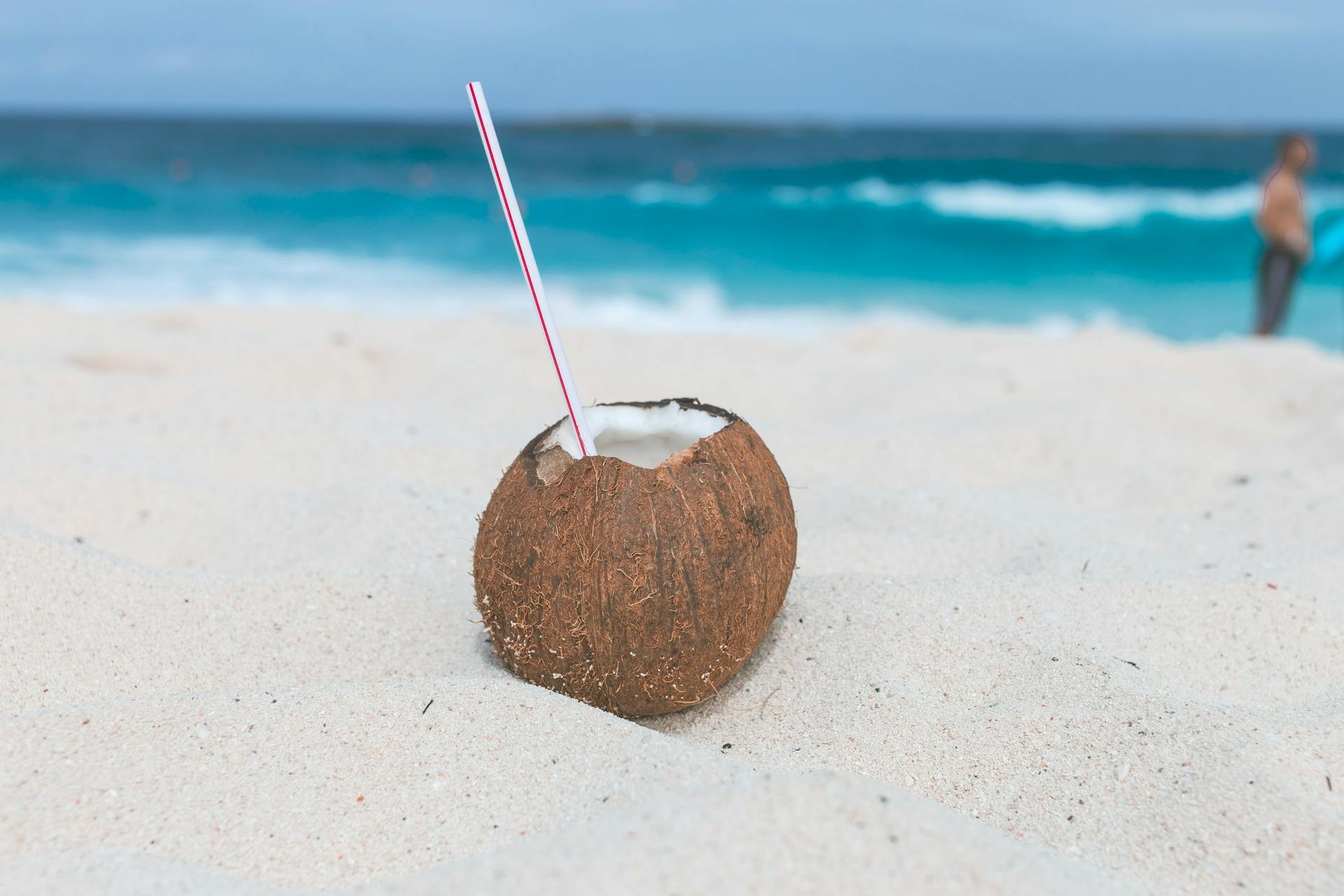

Spending a day at the beach sounds like the perfect way to relax. The sound of waves, the feel of soft sand, and the warmth of the sun can be soothing. But while you’re enjoying the sunshine, your body and brain are working hard to deal with the heat. Too much heat can wear you down, make you dizzy, and even become dangerous if you’re not careful.
Let’s take a closer look at what actually happens to your body and mind when you're out in the sun, especially on a hot beach day, and what you can do to keep things cool and safe.
When you're exposed to high temperatures, your body tries to keep itself at a steady temperature. It does this by sweating. Sweat is your body’s natural air conditioner. As it evaporates from your skin, it cools you down. But sweating also means your body is losing water and salt. If you’re not drinking enough fluids, it becomes harder for your body to keep cool. That’s when you can start to feel tired, weak, or lightheaded.
At the beach, there’s more going on than just the heat. You’re often under direct sunlight, and the sand reflects some of that heat right back at you. That can make it feel even hotter than it really is. If there’s no breeze or shade, your body can heat up quickly. You may not even realize it’s happening until you suddenly feel uncomfortable or unwell.
As your body gets warmer, your brain starts to feel the effects too. You might notice that it’s harder to concentrate, or that you feel irritable or sluggish. That’s because heat affects how your brain regulates mood and focus. When you’re overheated, your brain has to work harder to keep your body functioning properly. This takes energy away from things like thinking clearly or staying alert.
In more extreme heat, or after too long in the sun, you can experience something called heat exhaustion. This happens when your body can’t cool itself down enough. Symptoms include heavy sweating, weakness, nausea, headache, and dizziness. If it gets worse, it can turn into heatstroke, which is very serious and requires medical attention right away. Heatstroke can cause confusion, fainting, and even damage to the brain or other organs.
The good news is, you don’t have to avoid the beach to stay safe. There are simple ways to help your body stay cool and enjoy the sun without overheating.
One of the best things you can do is stay hydrated. Drink water regularly, even if you don’t feel thirsty. When you sweat, you’re losing fluids, and you need to replace them. If you’re drinking caffeinated or alcoholic drinks, remember that those can make you lose even more water, so balance them with extra water if you’re having them.
Wearing the right clothes can also make a big difference. Loose, lightweight, and light-colored clothing helps your body breathe and reflect sunlight instead of absorbing it. A wide-brimmed hat can give your face and neck some shade, and sunglasses protect your eyes from the sun’s glare. If you have access to an umbrella or a beach tent, take advantage of it. A bit of shade can help cool you down quickly.
It’s also smart to plan your beach time around the hottest parts of the day. The sun is usually strongest between late morning and early afternoon. If possible, aim to be at the beach in the early morning or late afternoon, when the sun is lower in the sky and the temperature is a little more comfortable.
Another simple trick is to cool off in the water. Taking a dip in the ocean can lower your body temperature quickly and give you a break from the heat. Just make sure you’re paying attention to how your body feels. If you start to feel tired, dizzy, or sick, don’t ignore it. Take it as a sign to rest, cool off, and rehydrate.
Food can also affect how your body handles heat. Heavy meals can make you feel hotter because your body has to work harder to digest them. Lighter snacks like fruit, salads, and sandwiches are easier to handle and often more refreshing. Water-rich foods like watermelon or cucumber are great because they help keep you hydrated too.
It’s important to keep an eye on each other, especially kids, older adults, and anyone with health issues. These groups are more likely to feel the effects of heat quickly. If someone looks flushed, is acting strangely, or seems overly tired, help them find shade, get them some water, and help them cool down.
Even after you leave the beach, the effects of heat can linger. You might feel wiped out, and that’s normal. Your body has been working hard to regulate itself. Make sure to rest, drink water, and cool off once you’re home or in a more comfortable environment.
Enjoying the sun and sand is one of the best parts of summer, but it's easy to forget how powerful the heat can be. Paying attention to how your body feels and making small adjustments can help you stay safe and comfortable. With a little care, you can spend the day at the beach feeling refreshed instead of overheated.
So go ahead, enjoy the sunshine, splash in the waves, and dig your toes into the sand. Just remember to listen to your body, drink plenty of water, take breaks in the shade, and cool off when you need to. Your body and brain will thank you for it.
