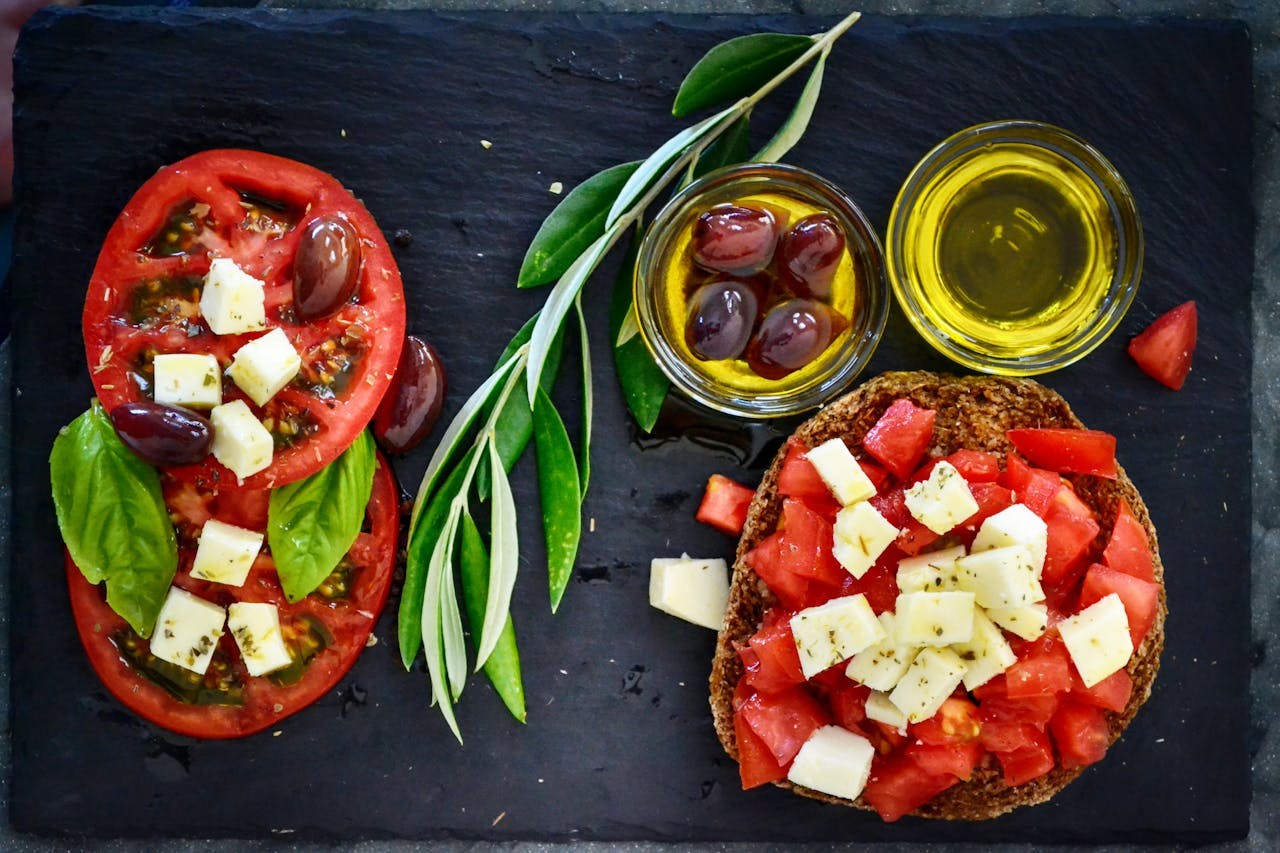

Greek Mediterranean food is one of the healthiest and most celebrated diets in the world, combining history, tradition, and nutrition. Rooted in ancient Greece, this cuisine emphasizes olive oil, fresh vegetables, legumes, seafood, and whole grains, while meat and dairy are enjoyed in moderation. Each region adds its own flavor: Crete is famous for its olive oil and wild greens; Limnos for wheat, wine, and cheeses like Kalathaki; Thessaly for its pies and dairy; and the Peloponnese for Kalamata olives, Nemea wines, and citrus fruits.
Together, these local traditions form a balanced diet that promotes heart health, longevity, and body balance. Studies show the Greek Mediterranean diet reduces inflammation, supports digestion, and helps prevent chronic disease. Beyond its nutritional power, Greek food is also a way of life — meals are slow, social, and seasonal, strengthening both community and wellbeing. Adopting Greek food principles offers a timeless path to health and harmony.
Few cuisines in the world carry as much history, symbolism, and proven health benefits as Greek Mediterranean food. It is more than nourishment; it is a reflection of geography, climate, tradition, and a philosophy that views food as a source of harmony for body and mind. For centuries, the Greek way of eating has emphasized balance, natural ingredients, and the joy of sharing meals, and in modern times, it has become a model for healthy living worldwide.
In this article, we will explore the historical depth of Greek food, the particular cultures of regions like Crete, Limnos, Thessaly, Macedonia, the islands, and the Peloponnese, along with the powerful ingredients that make Greek cuisine a foundation for longevity and body balance. We will also consider why adopting Greek Mediterranean food today is more relevant than ever in a world seeking healthier lifestyles and a deeper connection to tradition.

Ancient Roots of Greek Food Culture
Food in Greece has always been intimately tied to the land. Archaeological findings show that olives were cultivated in Crete as far back as 3500 BCE, while grapes, figs, and grains sustained the population for millennia. In ancient Greece, bread was considered sacred, wine was part of both daily meals and religious rituals, and olive oil was revered as food, medicine, and even a symbol of victory in athletic games.
The ancient diet was primarily plant-based, with meat reserved for festivals and sacrifices. Fish, legumes, and vegetables made up the everyday table, often seasoned with aromatic herbs. This foundation has remained consistent over thousands of years. When Hippocrates advised his patients to “let food be thy medicine,” he was echoing what Greeks had practiced for centuries: eating simply, seasonally, and mindfully.
Over time, the Byzantine Empire, Venetian merchants, and Ottoman influences introduced new flavors and cooking techniques. Spices like cinnamon and cloves began to appear in savory dishes, while techniques of slow-cooking meats with vegetables enriched regional cuisines. Despite these influences, the essence of Greek food remained the same: fresh, unprocessed ingredients and meals that bring people together.
Crete: The Cradle of the Mediterranean Diet
When researchers in the 1950s studied the eating habits of Cretan villagers, they were astonished to find some of the lowest rates of heart disease in the world. What was more surprising was that these communities had little access to modern medicine or wealth; their secret was their diet and way of life. Today, Crete is widely considered the birthplace of the modern understanding of the Mediterranean diet.
Cretan cuisine is deeply tied to the rugged landscape and self-sufficiency of its people. Olive oil dominates, not as a garnish but as the foundation of cooking. Scientific research has confirmed that extra-virgin olive oil from Crete contains some of the highest levels of antioxidants and polyphenols, which contribute to cardiovascular health and longevity.
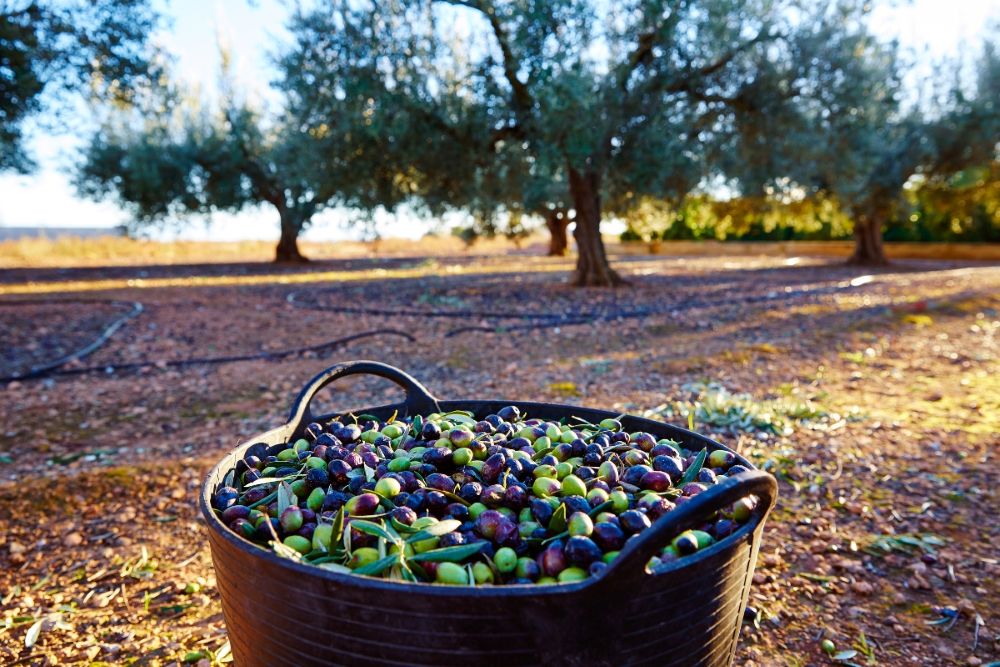
The island is also famous for its wild greens and herbs. Foraging is a daily practice; families collect dandelion, purslane, fennel, and dozens of other edible plants that grow in the Cretan hillsides. These greens are boiled or sautéed with olive oil and lemon, creating simple yet nutrient-dense dishes that support digestion and provide essential vitamins.
Barley rusks, known as dakos, are another staple, topped with grated tomato, feta or mizithra cheese, and olive oil. Pulses like lentils and chickpeas are regularly consumed in soups and casseroles, forming the basis of plant-centered meals. Goat and sheep farming is common, producing cheeses such as graviera and staka, though meat is traditionally consumed in moderation.
Beyond nutrition, Cretan food culture also emphasizes rhythm and balance. Meals are eaten slowly, often outdoors, with family and friends. This sense of moderation, coupled with physical activity from farming and walking, creates a holistic lifestyle that explains why Cretans have historically enjoyed long, healthy lives.
Limnos: The Island of Wheat and Wine
While Crete often receives the spotlight, Limnos (or Lemnos), located in the northern Aegean, has a food culture that is equally remarkable. Known in antiquity as the “granary of the Aegean,” Limnos was celebrated for its fertile plains that produced high-quality wheat. This reputation continues today, with the island famous for Limnia landraces of wheat that are used to bake dense, aromatic breads and traditional pies.
Limnos is also deeply tied to wine. Ancient texts describe the wines of Limnos as prized exports in classical times, and modern viticulture continues this heritage. The Muscat of Alexandria grape thrives in the volcanic soil, producing sweet and fragrant wines that pair beautifully with local cheeses and seafood.
Cheese-making is another hallmark of Limnos. Kalathaki Limnou, a soft white cheese made from sheep’s and goat’s milk, has received Protected Designation of Origin (PDO) status. Unlike feta, it is matured in small baskets, giving it a distinctive flavor and texture. Paired with tomatoes, olives, or watermelon, it is a symbol of the island’s blend of simplicity and sophistication.
The cuisine of Limnos also makes extensive use of legumes, such as chickpeas and lentils, as well as fresh fish from the surrounding sea. Its agricultural richness, combined with maritime influences, creates a diet that is balanced, deeply local, and reflective of the island’s long history as a trading hub in the Aegean.
Thessaly: Breadbasket of Greece
Situated in central Greece, Thessaly is often called the “breadbasket” of the country due to its fertile plains. Throughout history, it has supplied much of Greece with wheat, corn, and livestock, and this abundance is reflected in its hearty cuisine.
One of the defining features of Thessalian food culture is its love of pies (pites). Whether filled with spinach, wild greens, zucchini, cheese, or meat, pies are a daily staple, baked with handmade phyllo and often cooked in wood-fired ovens. These pies are both nourishing and practical, serving as portable meals for farmers working in the fields.
Thessaly is also known for its dairy products. Sheep and goat herding dominate the region, producing excellent feta, manouri, and galotyri cheeses. Yogurt is also an important part of the local diet, consumed plain or with honey, and often used in savory dishes.
Another key element of Thessalian cuisine is meat, particularly lamb and pork. Rich stews, roasted lamb, and sausages reflect the region’s pastoral traditions, though these are balanced with an abundance of vegetables and legumes.
Historically, Thessaly played a vital role in the development of Greek agricultural practices, and its cuisine reflects this centrality. The emphasis on grains, dairy, and seasonal produce shows how food was not only about survival but also about community and sharing abundance.
Peloponnese: Olive Groves, Vineyards, and Ancient Flavors
No exploration of Greek Mediterranean food would be complete without the Peloponnese, a region steeped in myth, history, and agricultural wealth. From the legendary olive groves of Kalamata to the vineyards of Nemea and the citrus orchards of Argolis, the Peloponnese has long been a center of Greek gastronomy.
The region’s relationship with olives is profound. The world-renowned Kalamata olive, deep purple and rich in flavor, is one of Greece’s most famous exports. Olive oil production in Messenia is considered among the finest in the world, and it plays a central role in both local cooking and international recognition of the Mediterranean diet.
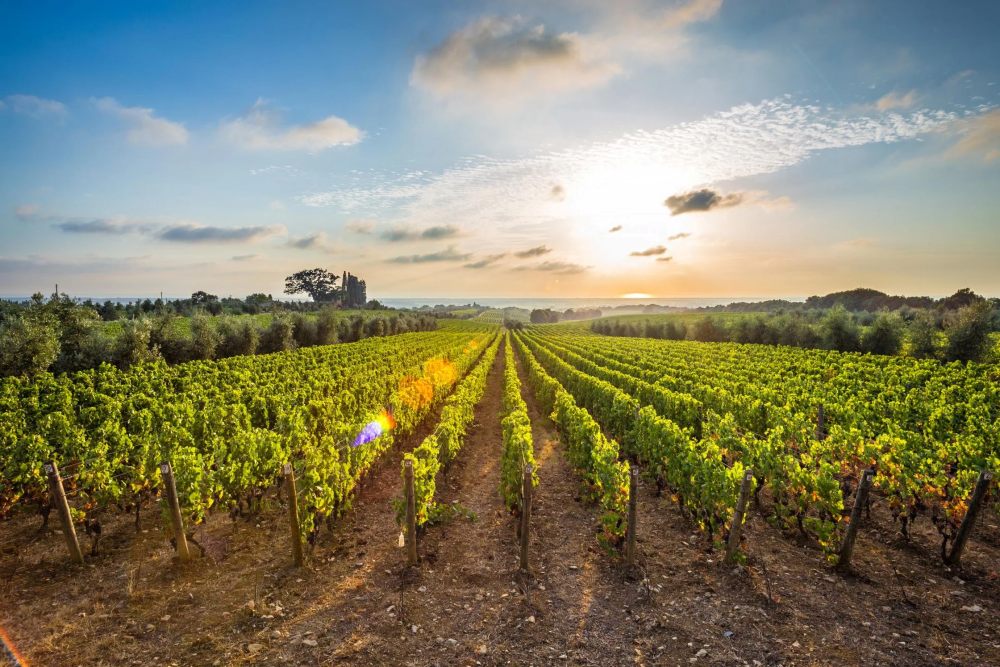
Wine is equally significant. Ancient Nemea, known as the land of Hercules, produces wines from the Agiorgitiko grape, sometimes called the “blood of Hercules.” These wines are celebrated for their depth and character, continuing a winemaking tradition that dates back thousands of years.
The Peloponnese is also famous for citrus fruits, particularly in the region of Argolis, where oranges and lemons flourish. Citrus is used not only fresh but also in traditional sweets, liqueurs, and savory dishes. The mountainous interior produces honey, chestnuts, and aromatic herbs, while coastal areas provide an abundance of seafood.
The history of the Peloponnese is inseparable from its cuisine. Ancient Mycenae and Sparta relied on the agricultural resources of the land. While Byzantine monasteries in the region preserved culinary traditions, such as bread-making, cheese production, and wine fermentation. Even today, monasteries in Arcadia and Laconia continue to produce olive oil, honey, and wine following centuries-old methods.
Culinary traditions here reflect both abundance and frugality. Hearty stews, slow-cooked meats, and vegetable casseroles dominate rural tables, while elegant wines and olive oils showcase the region’s refinement. It is this balance between simplicity and richness that makes Peloponnesian food such a vital part of the Greek Mediterranean identity.
Other Regional Food Cultures in Greece
In Macedonia, the cuisine is hearty and reflects the colder climate. Dishes often include beans, peppers, and meats, with strong Ottoman and Balkan influences. Wine-making thrives here, especially in Naoussa, where Xinomavro grapes produce some of Greece’s most respected reds.
The Greek islands, from the Cyclades to the Dodecanese, bring lighter, sea-based diets. In Santorini, volcanic soil gives rise to unique produce like cherry tomatoes and fava beans. In the Ionian islands, Venetian influences introduce pasta dishes and sofrito, while in the eastern Aegean islands, spices from Asia Minor enrich stews and sauces.
Each region, while distinct, is united by the Mediterranean principles of simplicity, freshness, and balance.
Ingredients That Define the Greek Mediterranean Diet
At the heart of Greek food are ingredients that have stood the test of time. Olive oil remains the cornerstone, not only for its flavor but also for its proven health benefits. Vegetables and fruits are eaten in abundance, reflecting the rhythm of the seasons. Legumes provide affordable plant-based protein, while seafood ensures essential omega-3 fatty acids. Herbs such as oregano, thyme, and rosemary bring both taste and medicinal value. Dairy and meat are enjoyed in moderation, always complementing rather than dominating meals.
This harmony of ingredients ensures not only delicious flavors but also optimal nutrition for body balance. Modern science consistently validates what Greeks have known for centuries: that food, when eaten in balance and with respect for nature, is the foundation of good health.
Health, Longevity, and the Greek Way of Eating
Today, Greece is home to one of the world’s famous “Blue Zones” — Ikaria, an island where people live significantly longer than average. Studies point to the Mediterranean diet, combined with active lifestyles and strong community bonds, as the main reason for this longevity.
The health benefits of Greek Mediterranean food are well-documented: lower risks of cardiovascular disease, reduced inflammation, stable body weight, improved digestion, and better mental health. Importantly, it is not just the food itself but the way it is consumed — slowly, socially, and with joy — that creates balance for body and mind.
Conclusion
Greek Mediterranean food is not a trend but a living tradition that has endured for thousands of years. From the foraged greens of Crete to the wheat fields of Limnos, the pies of Thessaly, the olive groves of the Peloponnese, and the seafood of the islands. Greek cuisine tells the story of a people deeply connected to their land and history.
Its emphasis on olive oil, vegetables, legumes, grains, and modest amounts of meat and dairy offers a blueprint for nutrition and wellbeing in the modern world.
Adopting Greek food principles is not just about eating differently; it is about embracing a philosophy of balance, seasonality, and connection. In a time when health and longevity are valued more than ever, the wisdom of Greek Mediterranean food shines brighter, offering both nourishment and a way of life that celebrates harmony between body, nature, and community.
