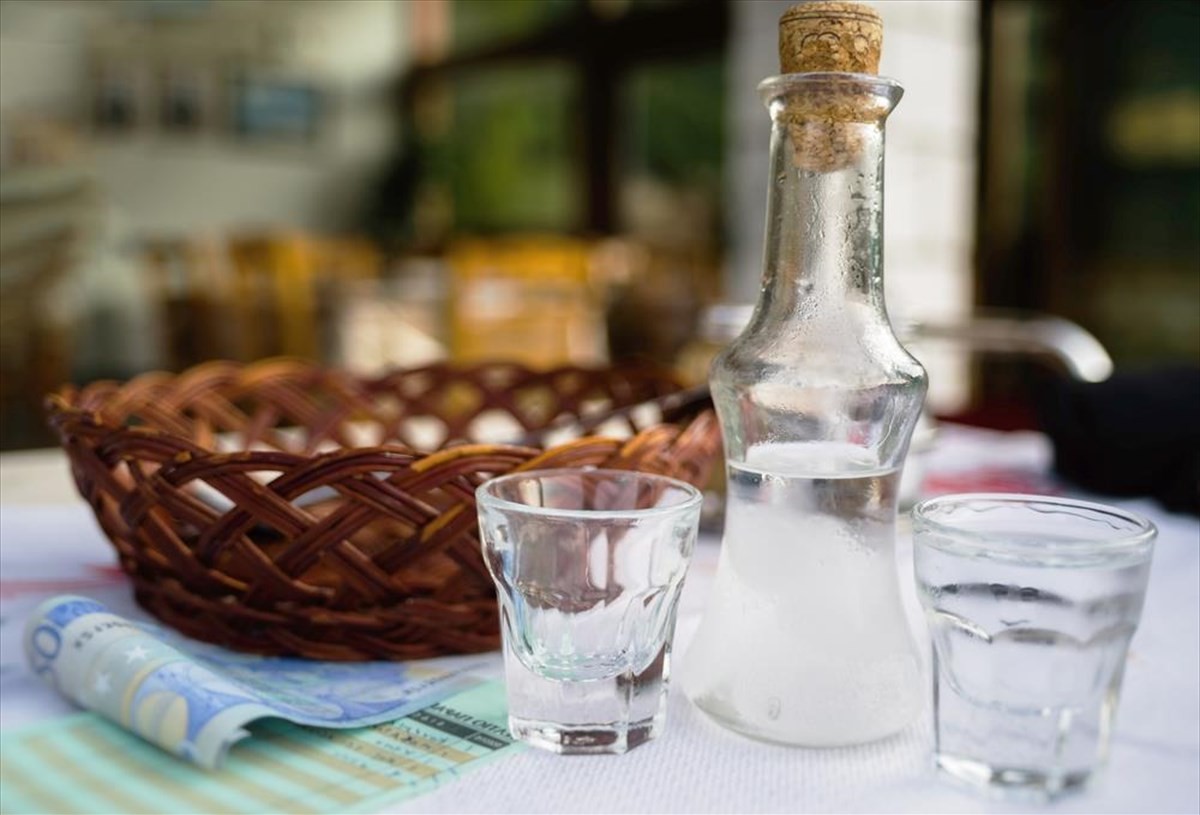

Greece is world-famous for its sun-drenched coastlines, vibrant cuisine, and deep-rooted traditions. Yet one cultural treasure often overlooked by international travelers is its exceptional range of local spirits. From the rugged mountains of Epirus to the tranquil islands of the Aegean, Greek vineyards and distillers have perfected a trio of beloved drinks: tsipouro, ouzo, and raki. These spirits are more than just beverages—they are symbols of hospitality, ritual, and centuries-old craftsmanship.
Though similar at a glance, each spirit has its own history, production method, and flavor profile. Whether you’re planning to explore Greek vineyards firsthand or simply curious about Greek spirits, this guide will help you understand what sets tsipouro, ouzo, and raki apart—and why each holds a special place in Greek culture.
The Vineyards Behind Greek Spirits
To understand these spirits, we begin in the heart of Greek viticulture. Greek vineyards—especially in regions like Macedonia, Thessaly, Crete, and the Peloponnese—produce an abundance of grape varieties, both indigenous and international. Grapes are not only used for wine but also for distillation, leading to a tradition of spirit-making that stretches back over 600 years.
The base ingredient for tsipouro and raki is pomace, the leftover skins, seeds, and stems after winemaking. This close connection to winemaking means that Greek vineyards play a critical role in producing high-quality spirits. Ouzo, on the other hand, relies more on alcohol derived from agricultural sources (including grapes) but draws its distinctive character from botanicals—especially anise.
Understanding these Greek vineyards is fundamental when exploring why each spirit tastes and smells the way it does.
What Is Tsipouro? The Spirit of the Greek Mainland
Origins & Tradition
Tsipouro is one of the most iconic Greek spirits, especially in northern regions like Epirus, Thessaly, and Macedonia. It is believed to have been first produced by monks on Mount Athos in the 14th century. Traditionally handmade in small copper stills, tsipouro has long been associated with friendship, celebration, and hearty mezes (Greek appetizers).
Production
Tsipouro is distilled from fermented grape pomace. The type of grape matters: vineyards producing aromatic varieties like Moschato (Muscat) yield intensely perfumed tsipouro, while varieties like Roditis offer a more neutral, clean profile.
Many producers now craft premium versions using specific grape varietals, drawing inspiration directly from Greek vineyards.
Anise or No Anise?
This is the real dividing line:
- Tsipouro without anise: Clear, strong, and grape-forward.
- Tsipouro with anise: Takes on a milky-white color when mixed with water, similar to ouzo, but the grape base remains more pronounced.
Flavor Profile
Tsipouro typically offers:
- Robust alcohol warmth
- Notes of grape skins
- Herbal or floral tones, depending on the vineyard
It is usually stronger than ouzo, commonly bottled between 40–48% ABV.
How to Enjoy It
Tsipouro pairs beautifully with mezes like grilled octopus, fried calamari, and spicy cheeses. It is often served neat or with a little ice, and in winter it may be enjoyed warm as “tsipouro me meli” (with honey).
What Is Ouzo? Greece’s National Spirit
If tsipouro expresses the rustic tradition of Greek vineyards, ouzo represents the refined craft of Greek distillation. It is recognized as a PDO (Protected Designation of Origin) product, meaning true ouzo can only be produced in Greece.
Production & Ingredients
Unlike tsipouro and raki, ouzo is not strictly tied to grape pomace. Distillers use a neutral alcohol base, then redistill it with botanicals. The defining flavor comes from anise, but other herbs may include:
- Fennel
- Star anise
- Coriander
- Cardamom
- Cinnamon
This botanical blend creates ouzo’s unmistakable sweet, licorice-like taste.
Flavor Profile
Ouzo is typically:
- Sweet and aromatic
- Lower in alcohol than tsipouro, usually around 37–40% ABV
- More herbaceous and less grape-forward
When diluted with water or ice, ouzo turns cloudy due to the anethole oil from anise—an iconic feature called the ouzo effect.
How to Enjoy It
Ouzo is best enjoyed slowly, outdoors by the sea, with classic Greek seafood mezes:
- Grilled sardines
- Fried smelts
- Marinated anchovies
- Tomato and cucumber salads
It is almost never consumed neat in Greece; water or ice is the norm.
What Is Raki? Crete’s Fiery Pride
Origins
Raki, also known as tsikoudia, is the spirit of Crete. Similar to tsipouro, it is made from grape pomace, linking it deeply to the island’s historic vineyards.
Cretan families often produce homemade raki in a warm communal setting known as the kazani, where people gather to celebrate the distillation season with music and dancing. This makes raki not just a Greek spirit but a true cultural event.
Production
Like tsipouro, raki is distilled from grape pomace—but with one key difference: raki rarely includes anise. This gives it a purer, more rustic grape flavor.
Flavor Profile
Raki is:
- Dry and clean
- Less aromatic than tsipouro
- Generally smoother and more mellow
It’s usually around 40% ABV, though homemade versions may be stronger.
How to Enjoy It
Cretans serve raki as a sign of hospitality. It pairs with:
- Graviera cheese
- Smoked pork
- Olives
- Dakos (Cretan barley rusk with tomato and feta)
Raki is also offered at the end of meals, often with fruit or sweets.
Tsipouro vs. Ouzo vs. Raki: The Key Differences
| Spirit | Base Ingredient | Anise | Flavor Profile | Typical ABV | Region |
| Tsipouro | Grape pomace | Optional | Strong, grape-forward, aromatic | 40–48% | Mainland Greece |
| Ouzo | Neutral alcohol | Yes | Sweet, licorice-like, herbal | 37–40% | Nationwide (PDO) |
|
Raki (Tsikoudia) |
Grape pomace | No | Clean, dry, rustic | ~40% | Crete |
Which Greek Spirit Should You Try First?
- Choose tsipouro if you love bold, grape-driven spirits with character.
- Choose ouzo if you enjoy sweet, aromatic, anise-flavored drinks.
- Choose raki for a smooth, traditional Cretan experience rooted in hospitality.
Final Thoughts: A Journey Through Greek Vineyards and Spirits
Tsipouro, ouzo, and raki each offer a different window into Greek culture. Whether crafted from the grapes of northern Greek vineyards or distilled in the hills of Crete, these spirits embody tradition, craftsmanship, and the joy of sharing food and drink with others.
Exploring these Greek spirits is more than tasting alcohol—it is discovering centuries of heritage, landscape, and community. So next time you raise a glass of tsipouro, ouzo, or raki, remember: you’re sipping a little bit of Greece’s soul.
