

In the world of accessories, few pieces carry the weight of legacy, craftsmanship, and social cachet quite like a wristwatch. From humble beginnings as early portable clocks to finely tuned mechanical masterpieces adorning the wrists of dignitaries, the evolution of the wristwatch traces a fascinating path of technology, design, and status. In this post, we’ll delve into the history of hand watches, explore some of the most famous luxury watch brands, and examine how the watch became an enduring symbol of status and luxury. We’ll also sprinkle in relevant watch keywords to help this article reach enthusiasts searching for “luxury watch brands”, “mechanical watch”, “automatic watch”, “Swiss watch history”, “premium timepiece”, and more.
Origins & Early History of the Wristwatch
The story of the watch begins long before the strap wrapped around a wrist. The earliest portable spring-driven clocks appeared in Europe in the 15th and 16th centuries, evolving into what would eventually become watches.
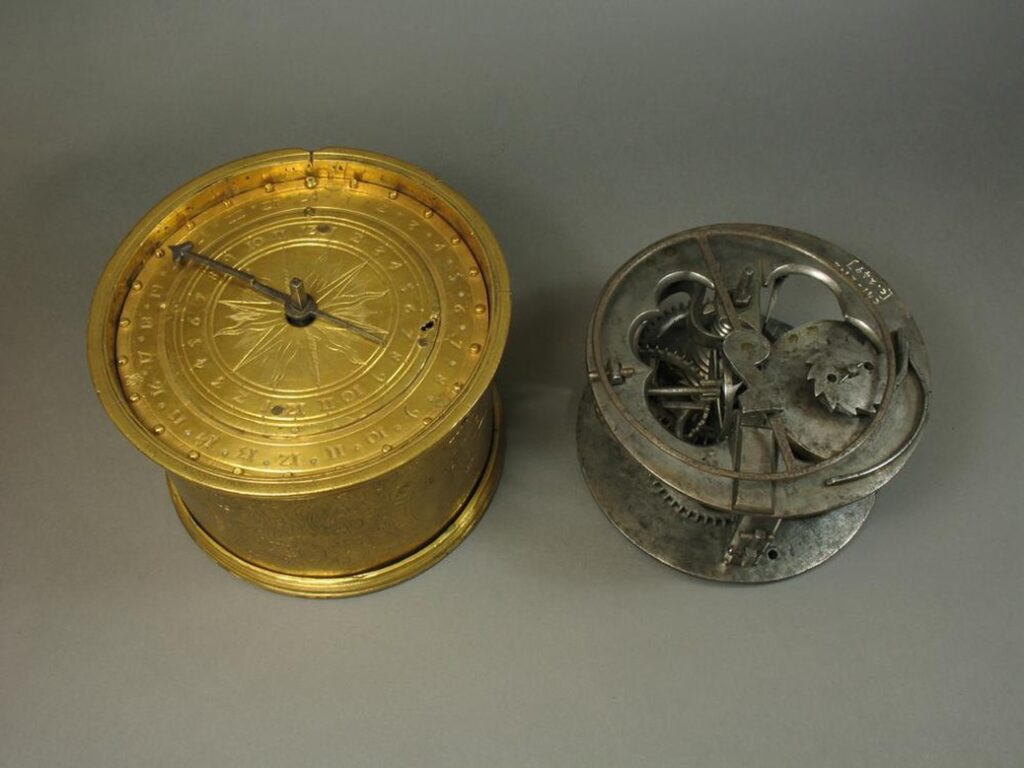
According to the National Association of Watch & Clock Collectors, wristwatches began to spread widely during and after WWI. Military necessity drove the transition of timepieces from the pocket to the wrist: easier to glance at while under fire, easier to share across uniforms, and far more functional for coordination on the battlefield.
One of the earliest wristwatches is attributed to Abraham‑Louis Breguet, who in 1810 made a bracelet-style timepiece for Queen Caroline Murat of Naples.
By the early 20th century, thanks to innovations like automatic self-winding movements, water-resistant cases and rugged designs, wristwatches started to become practical tools rather than just novelties.
Why This Matters
- The shift from pocket to wrist transformed the watch into a personal and visible accessory, making it part of one’s attire rather than hidden in a vest pocket.
- Technological advances (automatic winding, water resistance, shock protection) made higher-end mechanical watches viable as durable luxury items.
- The historical roots lend premium timepieces a sense of legacy—something many luxury brands emphasise in their marketing.
Iconic Luxury Watch Brands and Their Legacy
In the luxury watch world, several brands stand out not just for craftsmanship but for forming the cultural lexicon of status. Let’s take a closer look at a few of the most influential.
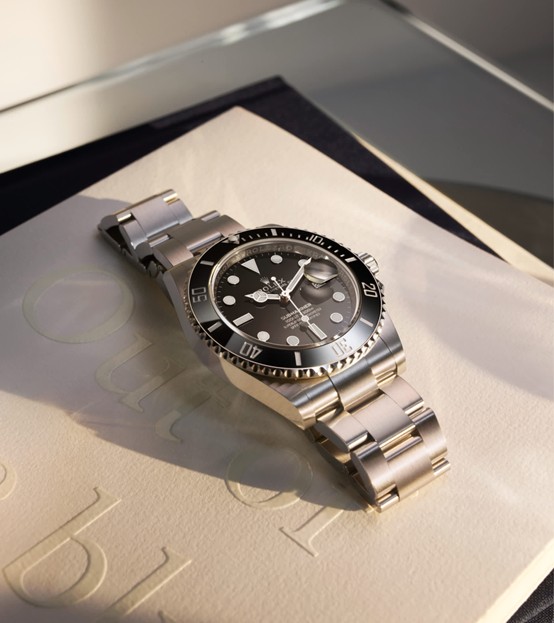
Rolex
Founded in 1905, Rolex is the brand most often invoked when someone says “luxury watch”. Its innovations include the “first effective waterproof and dust-proof watch casing” and mass-manufacturing techniques for luxury timepieces.
Key models like the Submariner, Daytona, and Datejust have become cultural icons. As one article puts it: “The Rolex Submariner … is considered a status symbol today.”
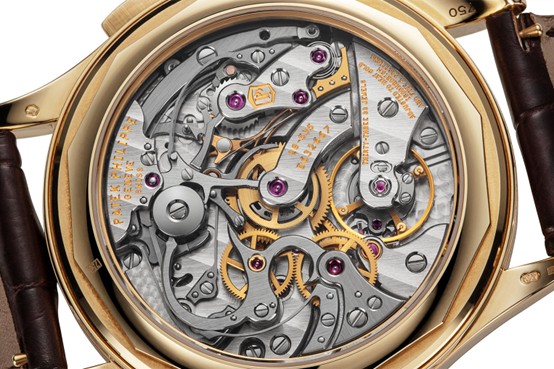
Patek Philippe
Founded in 1839, Patek Philippe is widely regarded as the pinnacle of haute horlogerie (high watchmaking). The brand emphasises legacy, craftsmanship, and “you never actually own a Patek Philippe. You merely look after it for the next generation.”
Its watches consistently fetch record-breaking auction prices and are coveted as collectible assets.
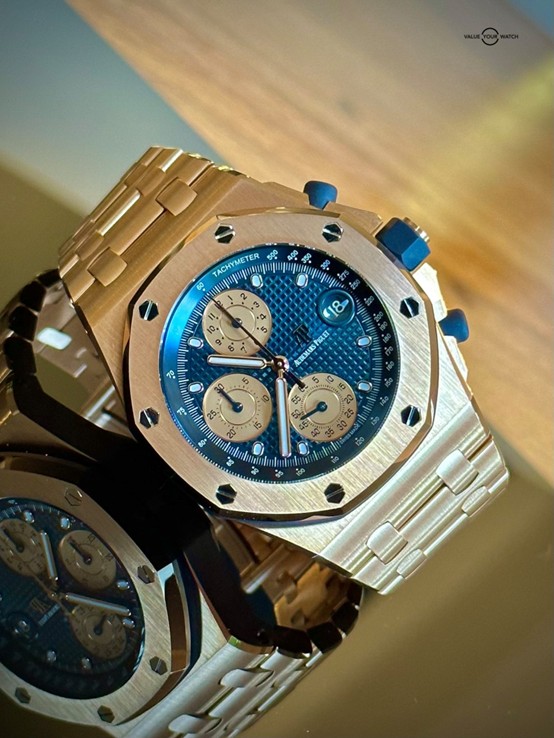
Audemars Piguet
Founded in 1875, Audemars Piguet remains independent and is celebrated for the Royal Oak (1972) — a steel luxury sports watch with integrated bracelet, designer by Gérald Genta.
Its combination of avant-garde design with traditional watchmaking craftsmanship helped reshape what a luxury watch could look like.
Omega
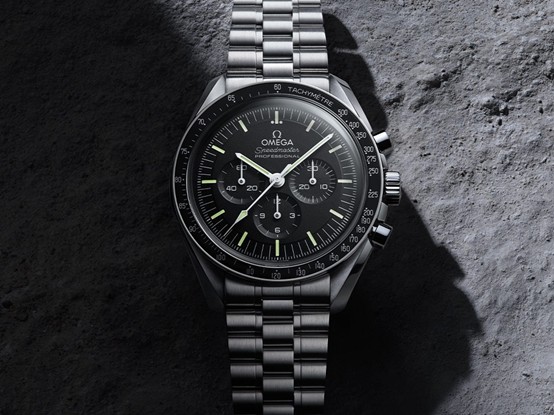
Established in 1848, Omega is best known for the Speedmaster (“Moonwatch”) and its role in space exploration. While it may not carry quite the same under-one-roof prestige as Patek, it offers both heritage and value and is widely respected among watch enthusiasts.
Cartier
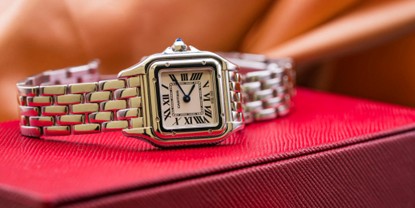
While originally a jewellery house (founded 1847 in Paris), Cartier’s watchmaking became iconic with models like the Tank (1917) and the Baignoire. The brand bridges jewellery, design, and horology, appealing to those who view a watch as both a timepiece and statement jewellery.
How Watches Became Symbols of Status & Luxury
Why do watches carry such status? It’s not just timekeeping – it’s what the watch signifies. Here are key drivers behind the status of luxury watches:
Heritage & Craftsmanship
Luxury watch brands emphasise centuries of legacy, traditional manufacturing, and mechanical innovation. A mechanical or automatic watch requires intricate assembly, fine materials (gold, platinum, ceramic), and design finesse. That craftsmanship elevates the piece beyond function into art and investment.
Exclusivity & Price
Limited productions, high price points, waiting lists, and brand desirability contribute to exclusivity. Some watches appreciate in value, and brands like Patek Philippe deliberately cultivate that aura of rarefied ownership.
Icons & Cultural Recognition
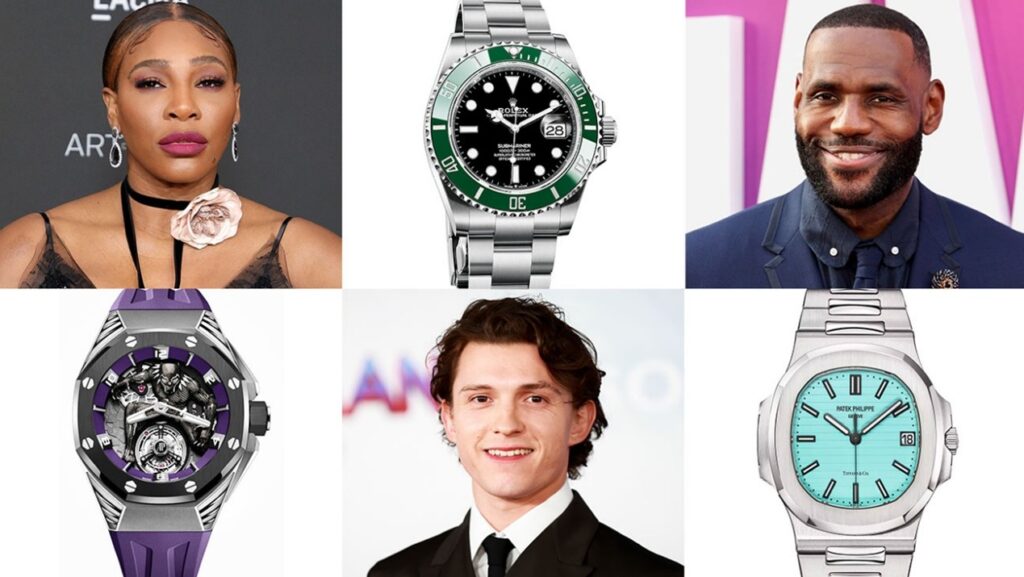
When world-leaders, celebrities, athletes or high-net-worth individuals wear certain models, the watch becomes shorthand for success. Owning a Rolex, Patek, or Audemars Piguet can signal accomplishment, taste, and belonging to an elite circle.
Design & Style
A watch is one of the few wearable luxury objects that transcends fashion seasons. It is visible, interacts with daily life, and blends utility with status. The wristwatch became a decorative statement—not just a tool. For example, the Cartier Tank with its rectangular case conveys elegance and sophistication.
Function Meets Prestige
In earlier eras, mechanical ingenuity (tourbillons, perpetual calendars, chronographs) was not just decoration but proof of mastery. Possessing such complexity conveyed serious connoisseurship. Today, even quartz luxury models draw prestige from brand heritage, materials and design.
Trends, Keywords & What to Know When Searching
For watch enthusiasts and shoppers, there are certain keywords that matter—a blend of style, function and luxury. Here are a few to keep in mind:
- Luxury watch brands – referencing high-end makers like Rolex, Patek Philippe, Audemars Piguet, Omega, Cartier.
- Swiss watch – Switzerland remains the epicentre of luxury mechanical watchmaking.
- Automatic watch or mechanical watch – differentiating from quartz; implies self-winding movement or manual winding.
- Mechanical movement – the engine behind the watch; more complex often equals more premium.
- Iconic timepiece – certain models (e.g., Rolex Submariner, Patek Nautilus, Omega Speedmaster) have achieved cult status.
- Watch investment – some luxury watches hold or increase in value, becoming collectible.
- Status symbol watch – the watch chosen to signal lifestyle, success or taste.
Tips for Buying / Collecting
When shopping or studying luxury watches:
- Research the brand’s heritage and why it commands prestige.
- Understand the movement (mechanical, automatic, quartz) and what it means for value.
- Know the model’s history and cultural significance (limited editions, iconic references).
- Consider resale and investment potential especially for top-tier brands.
- Factor in condition, age, provenance — vintage watches from celebrated brands often fetch higher interest.
- Evaluate your style: dress watch vs sports luxury watch (e.g., Patek Calatrava vs Royal Oak).
- Beware of hype: brand doesn’t always equal value; authenticity and condition matter.
Why Watches Will Always Matter
In a world of smartphones, smartwatches and digital time-keeping, traditional wristwatches remain relevant for several reasons:
- They are mechanical objects of desire, tangible and crafted.
- They serve as status artifacts, signaling taste and achievement in ways that digital devices cannot.
- They become heirlooms, meant to be passed down—especially in brands like Patek Philippe.
- They occupy a sweet spot between functionality and jewelry, wearable art that tells time and tells a story.
Conclusion
A fine wristwatch is more than just a tool to tell time. It encapsulates centuries of evolution, human ingenuity, design innovation and social meaning. From early spring-driven portable clocks to modern mechanical marvels from brands like Rolex, Patek Philippe, Audemars Piguet, Omega and Cartier, the journey of the watch mirrors the journey of luxury itself—the intersection of craftsmanship, exclusivity and aspiration.
When you slide a premium timepiece onto your wrist, you’re not just checking the minutes; you’re connecting with history, signalling prestige and selecting an accessory that says something about who you are and what you value. Whether you’re searching for a “luxury watch brand”, exploring “automatic watches”, or eyeing an “iconic timepiece” with investment potential—understanding the heritage and how status plays into watch culture makes all the difference.
