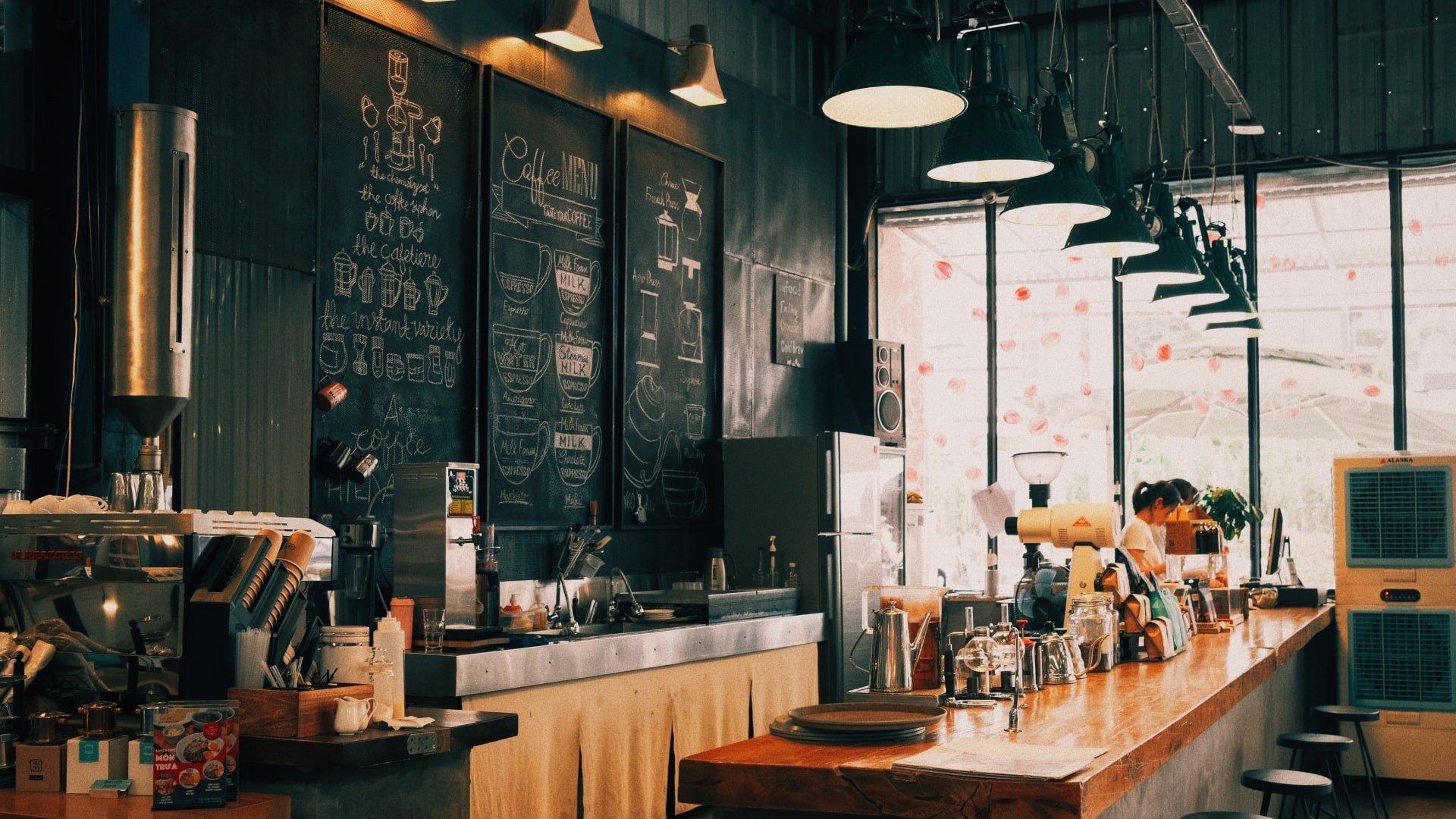

Once a simple stop for caffeine, the café has evolved into something far greater, a cafe cultural space where social connection, creativity, and comfort intersect. In 2025, cafés are no longer defined by their coffee beans alone but by what they represent: belonging, rhythm, and the art of living slowly in a fast-moving world. Whether tucked into city corners or beachside boulevards, cafés have become extensions of our living rooms and offices, a bridge between solitude and community.
The modern cafe cultural space embodies the spirit of connection. Once meant for quick espresso breaks, cafés now serve as sanctuaries for reflection, creativity, and conversation. The scent of roasted beans, the hum of quiet chatter, and the soft clatter of cups create a universal language that welcomes thinkers, workers, and wanderers alike.
From Espresso to Expression: The Evolution of Café Culture Space
Cafés have grown into lifestyle hubs that mirror our values and aesthetics. Over the past decade, independent coffee houses have redefined hospitality by focusing on design, storytelling, and emotional connection. Each café tells a story, minimalist Scandinavian design for those who seek calm, bohemian art cafés for the creatively restless, and intimate, nostalgic corners for dreamers.
This evolution marks a shift in how people view leisure. A cafe cultural space is not only about the drink; it is about the experience of being present. It is a quiet protest against digital noise and the rush of modern life. From Seoul to Stockholm, cafés are designed like art galleries, spaces where a latte becomes an act of mindfulness and a table turns into a temporary home.
The Work Café Revolution
In the age of remote and hybrid work, cafés have become natural offices for the global workforce. The gentle buzz of conversation provides focus, while the atmosphere fosters creativity and balance. For many professionals, the café represents freedom, a workspace without walls.
This trend has given rise to the concept of “third places,” social spaces that sit between home and work. Within these café environments, boundaries blur as freelancers brainstorm beside friends catching up, entrepreneurs meet clients over cortados, and students draft essays fueled by espresso shots. Even large coffee chains now adapt to this cultural shift, integrating ergonomic setups and tech-friendly design that reflects the needs of modern café-goers.
Brewing Community, One Cup at a Time
Beyond work and design, the true strength of the cafe cultural space lies in community. Independent coffee houses often double as micro cultural centers, hosting open mics, photography exhibitions, and language meetups. These activities revive the café’s historic role as a hub of creativity and dialogue, echoing the salons and coffeehouses of 18th-century Europe.
Sustainability and ethics have also entered the conversation. Many cafés now emphasize transparent sourcing, biodegradable packaging, and partnerships with small farms. Customers engage with their local cafés not just as consumers but as contributors to a shared ethos of social responsibility.
Digitally, café communities extend beyond their walls. A café’s story continues online through photography, playlists, and branding that speaks to lifestyle and identity. A cup of coffee becomes more than a beverage; it becomes a narrative about connection, mindfulness, and meaning.
The Sensory Language of Modern Leisure
The café’s enduring charm lies in its sensory harmony. The warmth of a ceramic cup, the rhythm of steaming milk, and the scent of freshly ground beans all create an immersive experience that grounds us in the present moment. These sensory rituals define the cafe cultural space, turning everyday coffee rituals into moments of calm and creativity.
Psychologically, the environment of a café stimulates both focus and relaxation, the perfect state for ideas to form and conversations to flow. Writers, designers, and remote workers return not only for caffeine but for inspiration. This is where the boundaries of work and leisure dissolve, giving rise to a new rhythm of productivity that feels personal and alive.
A Global Phenomenon with Local Flavor
Though the café culture has gone global, it adapts to each city’s heartbeat. A Milanese espresso bar focuses on speed and tradition, while a Tokyo kissaten celebrates ritual and silence. In Paris, the café terrace remains a stage for people-watching and debate. In Athens, the local kafeneio still thrives as a hub of social energy. Each place expresses its own version of a cafe cultural space, defined by rhythm, flavor, and community spirit.
Café Culture Space is More Than a Trend: A Way of Living
The modern café is not a passing lifestyle fad. It is a reflection of how humans crave both individuality and connection. A cafe cultural space represents the perfect intersection of business, creativity, and leisure, a sanctuary for balance in an unbalanced age.
In a world that rarely stops, cafés invite us to pause, observe, and reconnect. They are where friendships begin, projects take shape, and moments of quiet clarity are brewed alongside morning coffee. Each cup tells a story of comfort, creativity, and community, reminding us that sometimes, the simplest pleasures are the ones that keep our culture alive.
