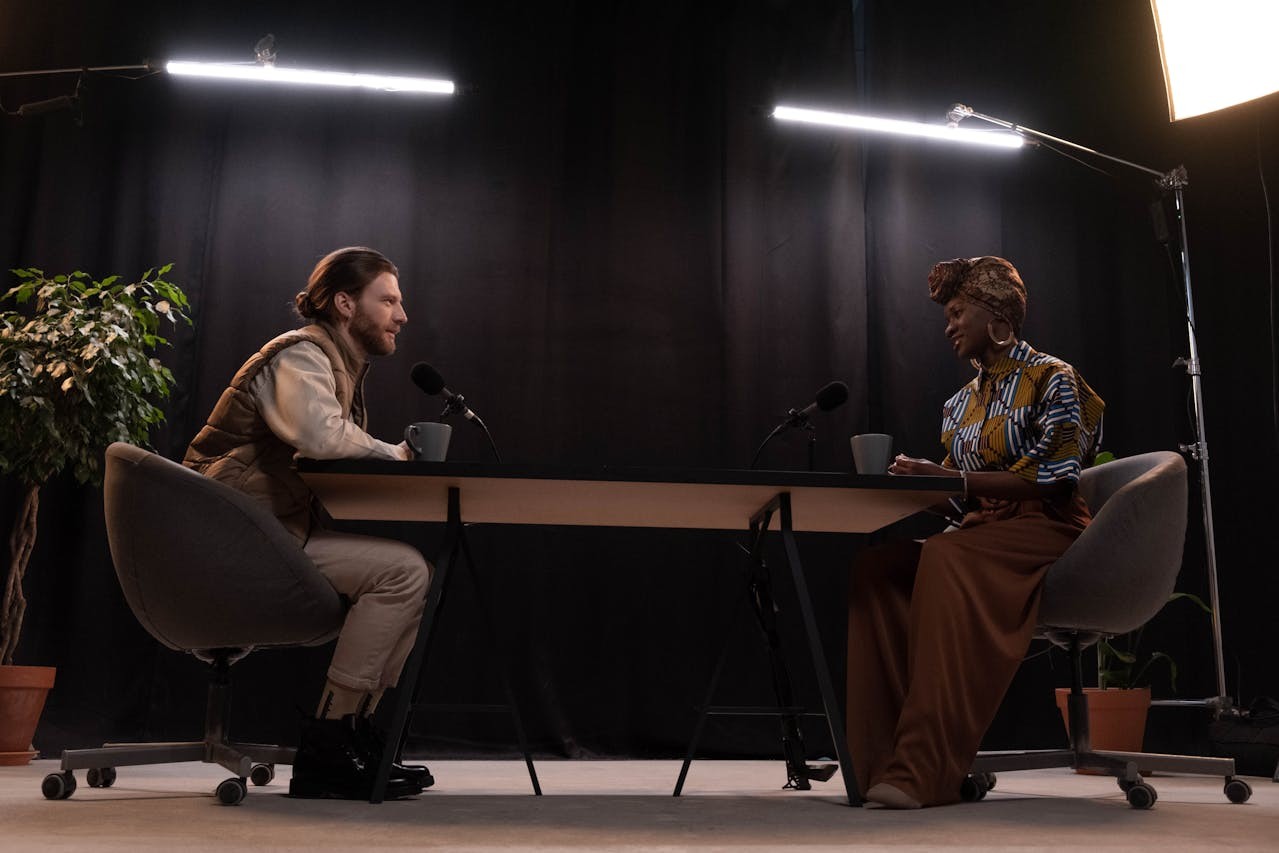

In the ever-evolving landscape of digital media, podcasting and vlogging have emerged as two of the most influential forms of content creation. These mediums have transformed how we consume information, share stories, and connect with audiences worldwide. But how did these platforms come into existence, and what has fueled their meteoric rise?
The Genesis of Podcasting
Podcasting, a portmanteau of "iPod" and "broadcast," traces its origins to the early 2000s. In 2004, software developer Dave Winer and former MTV video jockey Adam Curry developed a program called iPodder, which allowed users to download Internet radio broadcasts directly to their iPods. This innovation paved the way for the modern podcasting era.
The term "podcast" was coined by journalist Ben Hammersley in a 2004 article for The Guardian. By 2005, Apple integrated podcast support into iTunes, significantly boosting the medium's accessibility and popularity.
The Rise of Vlogging
Vlogging, or video blogging, began gaining traction in the early 2000s. The first known vlogger, Adam Kontras, posted a video on January 2, 2000, documenting his move to Los Angeles. This 15-second clip marked the beginning of a new era in personal storytelling.
Platforms like YouTube, launched in 2005, provided a stage for vloggers to reach a global audience. Over time, vlogging evolved from simple diary-style entries to highly produced content covering a myriad of topics, from daily life to travel adventures.

The Convergence of Podcasting and Vlogging
In recent years, the lines between podcasting and vlogging have blurred. Many creators now produce content that exists in both audio and video formats, catering to diverse audience preferences. For instance, Joe Rogan's The Joe Rogan Experience is available as both a podcast and a video on YouTube, allowing listeners and viewers to choose their preferred medium.
This convergence has led to the rise of "video podcasts," where hosts engage in discussions, interviews, and storytelling in a visual format. Platforms like YouTube have become central hubs for these creators, offering monetization opportunities through ads, sponsorships, and fan support.
The Popularity Surge
As of 2025, podcasting and vlogging have reached unprecedented levels of popularity. According to Edison Research, YouTube has surpassed Spotify and Apple Podcasts as the primary podcast platform in the U.S., generating over one billion monthly active views.
The accessibility of these platforms has democratized content creation, allowing individuals from various backgrounds to share their voices and stories. This inclusivity has led to a diverse array of content, catering to niche interests and fostering communities around shared passions.
Notable Podcasts and Vloggers
Several podcasts and vloggers have made significant impacts in their respective fields:
- The Joe Rogan Experience: Hosted by comedian Joe Rogan, this podcast features long-form conversations with a wide range of guests, from scientists to celebrities. Its unfiltered style has garnered a massive following.
- Call Her Daddy: Initially launched as a relationship advice podcast, Call Her Daddy has evolved into a platform discussing various aspects of modern life, including mental health and personal growth. Its candid and often provocative content has attracted a large, dedicated audience.
- The H3 Podcast: Hosted by Ethan and Hila Klein, this podcast covers a wide range of topics, from internet culture to current events. Its humorous and critical approach has made it a staple in the podcasting community.
- Rosie and Chris Ramsey: This UK-based duo hosts the podcast Sh**ged Married Annoyed, where they discuss their relationship, parenting, and everyday life. Their relatable and humorous discussions have resonated with a broad audience.
- Alex Cooper: The creator of Call Her Daddy, Alex Cooper has expanded her brand into various media ventures, including a YouTube channel and a book deal. Her entrepreneurial spirit has set a precedent for podcasters seeking to diversify their platforms.
The Future Outlook
Looking ahead, the future of podcasting and vlogging appears promising. Advancements in technology, such as improved mobile devices and streaming capabilities, will continue to enhance the user experience. Additionally, the integration of artificial intelligence in content creation and curation may offer new opportunities for creators to engage with their audiences.
As these platforms continue to evolve, it's clear that podcasting and vlogging will remain central to the digital media landscape, offering diverse voices and stories that resonate with global audiences.
Podcasting and vlogging have transformed from niche hobbies into dominant forces in digital media. Their evolution reflects broader shifts in technology, culture, and consumer behavior. As these platforms continue to grow, they will undoubtedly shape the future of storytelling and content consumption.
