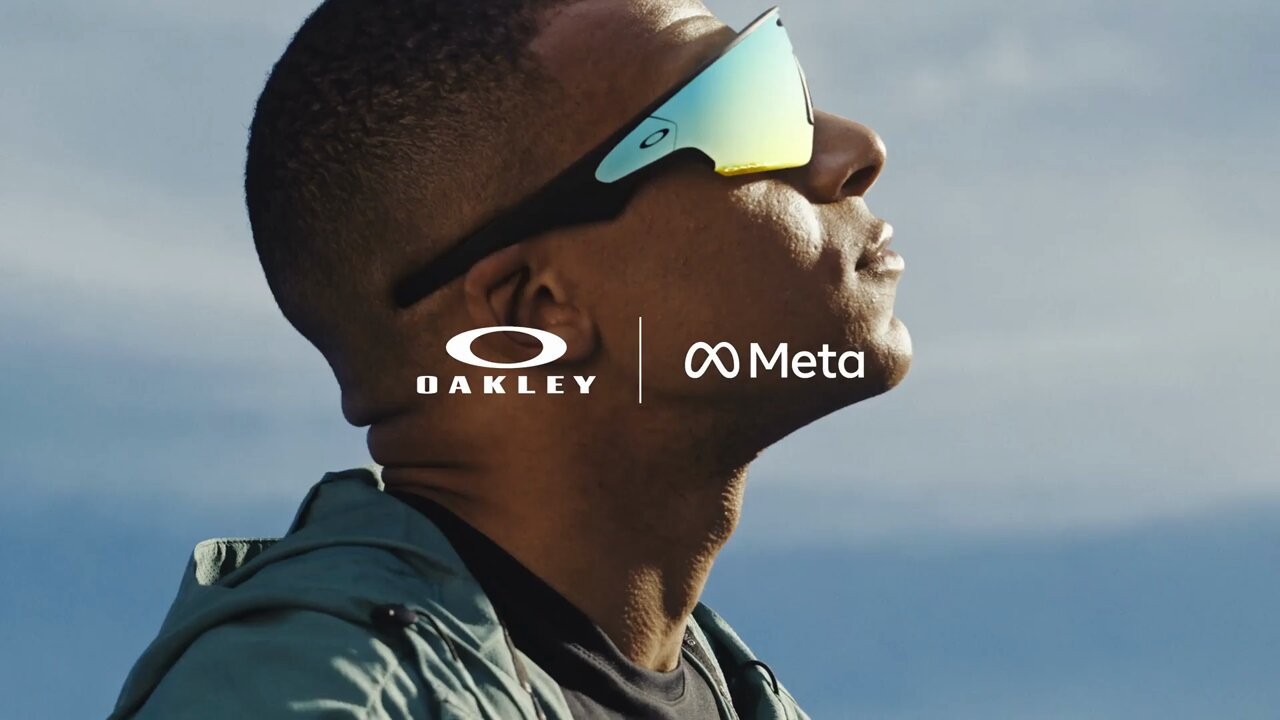

Meta’s annual Connect event in 2025 was filled with product unveilings and ambitious promises, but nothing captured the spotlight more than the announcement of its new generation of smart glasses. The company, which has been steadily pushing the boundaries of augmented reality and wearable technology, introduced not just one but several models aimed at redefining how people interact with the digital and physical worlds. With the Meta Ray-Ban Display, the second generation Ray-Ban Meta, and the all-new Oakley Meta Vanguard, the tech giant is signaling its commitment to a future where our everyday eyewear doubles as a digital assistant.
This article explores the core concept behind Meta’s latest smart glasses, the features and benefits they bring, the challenges they face, and what their launch means for the wider tech ecosystem. If you’re searching for an in-depth understanding of Meta’s vision and the potential impact of its latest wearable devices, you’re in the right place.
The Concept Behind Meta’s Smart Glasses
Meta has long been vocal about its belief in a future where digital and physical realities seamlessly merge. While virtual reality headsets like the Meta Quest series focus on immersive experiences, smart glasses represent a subtler, everyday integration of technology into daily life. The idea is to give users an always-available digital overlay, without the bulk or social awkwardness associated with VR goggles.
The vision is simple: instead of reaching for a smartphone, you’ll glance through your lenses to receive navigation directions, notifications, translations, or even AI-powered insights. With advancements in AI, display technology, and miniaturization of hardware, 2025 seems to be the year where Meta feels confident enough to push smart glasses as mainstream products rather than niche experiments.
What Are VR and AR?
Virtual Reality (VR) is a fully immersive digital environment that replaces the real world with a computer-generated one. When you wear a VR headset, your field of vision is entirely filled with a simulated space, often paired with 3D audio and motion tracking to make the experience more realistic. This technology allows users to step into virtual worlds—whether it’s exploring a distant galaxy, walking through a historical recreation, or participating in immersive gaming. VR essentially disconnects you from your physical surroundings and transports you into a different reality altogether.
Augmented Reality (AR), on the other hand, overlays digital content on top of the real world. Unlike VR, which creates a fully artificial environment, AR enhances your actual surroundings by projecting information, images, or interactive elements into your field of vision. Popular examples include mobile apps like Pokémon Go, which add virtual objects to real environments, or AR glasses that display directions and translations as you move through the world. AR emphasizes blending rather than replacing, giving users added context while staying connected to their environment.
Together, VR and AR are shaping the future of how humans interact with technology. VR is revolutionizing entertainment, training, and simulation, while AR is making daily life more efficient with real-time information and interactive digital layers. Both technologies are foundational for the broader concept of the metaverse, where physical and digital realities converge to create seamless, immersive experiences.
The Lineup: Meta’s 2025 Smart Glasses Models
Ray-Ban Meta Display
Perhaps the most talked-about model from Connect 2025, the Ray-Ban Display smart glasses integrate an embedded display directly into the lenses. Unlike previous versions that focused primarily on audio and camera functions, this model provides a true augmented reality experience. Think of receiving text messages projected subtly in your field of view or seeing real-time translations while traveling abroad. The key here is minimalism: the display does not overwhelm but enhances, giving you quick, context-aware information.
Ray-Ban Meta Gen 2
The second generation of Meta’s collaboration with Ray-Ban builds on the success of the first. These glasses are sleeker, lighter, and more power-efficient. Improvements in the onboard camera deliver higher-quality images and videos, while the battery life has been significantly extended to make all-day wear more realistic. Importantly, the Gen 2 model continues to emphasize fashion, blending classic Ray-Ban aesthetics with cutting-edge functionality.
Oakley Meta Vanguard
A completely new partnership emerged with Oakley, resulting in the Meta Vanguard. These smart glasses are designed for outdoor enthusiasts and athletes. They integrate real-time fitness tracking, environmental data (like altitude, heart rate, and temperature), and sport-specific AI coaching features. Meta is clearly aiming at a niche yet passionate demographic: people who want technology to empower their active lifestyles without needing to check a phone mid-run, cycle, or climb.
Benefits of Meta’s Smart Glasses
The launch of these glasses brings with it a range of potential benefits, many of which point toward a future where wearable tech is more natural, accessible, and indispensable.
Hands-Free Information
The most immediate benefit is the convenience of having information always within view. Whether it’s checking your next calendar event, finding your way in a new city, or seeing who’s calling, the need to pull out a smartphone diminishes. This hands-free access could revolutionize how people multitask in both professional and personal environments.
AI-Powered Assistance
Meta’s glasses are tightly integrated with AI systems. Imagine walking into a meeting and having the glasses discreetly show you reminders about key discussion points, or walking through a foreign country and instantly receiving translations. AI transforms the glasses from passive devices into active assistants.
Design and Fashion
Unlike many early wearable devices that sacrificed aesthetics for technology, Meta has leaned heavily into partnerships with iconic eyewear brands. By merging Ray-Ban’s timeless style and Oakley’s sporty edge, the glasses are designed to appeal to style-conscious consumers. This could be a critical factor in broader adoption, as people are more likely to wear a device that doesn’t look overtly “techy.”
Health and Fitness Integration
Particularly with the Oakley Meta Vanguard, Meta is positioning its smart glasses as companions for healthier living. From monitoring performance metrics to providing coaching in real time, these glasses go beyond being communication devices to becoming wellness tools.
Reduced Screen Dependence
For years, concerns have grown about the addictive nature of smartphones and their role in limiting attention spans. Smart glasses offer a way to deliver information more contextually and sparingly. Instead of endless scrolling, users get what they need when they need it, potentially leading to a healthier relationship with digital tools.
Disadvantages and Challenges
Despite the promise, Meta’s smart glasses are not without potential pitfalls. Every wave of new technology faces skepticism, and these devices are no different.
Privacy Concerns
Smart glasses equipped with cameras and AI raise valid questions about surveillance and consent. Even if Meta improves the transparency of when recording is happening, there will still be social unease around being filmed unknowingly. Until privacy norms are clearly established, mainstream adoption may be slowed.
Battery Life and Usability
Although battery performance has improved, all-day wear remains a technical challenge. Balancing power-hungry features like displays and AI processing with lightweight designs will always be a hurdle. Users may become frustrated if glasses frequently need charging, particularly compared to passive eyewear.
Cost and Accessibility
Advanced technology does not come cheap, and these smart glasses are likely to launch at premium prices. This could make them accessible only to early adopters or affluent consumers, leaving broader audiences behind until production costs come down.
Distraction and Safety
While hands-free information is a benefit, there’s also the risk of cognitive overload. Using smart glasses while driving, walking in busy environments, or engaging in sports could lead to accidents. Meta will need to design strict safety features to ensure their products help rather than harm.
Adoption Curve
Smart glasses have been tried before by companies like Google, and while the technology has matured since then, societal readiness remains uncertain. It may take years before wearing smart glasses becomes as normalized as wearing wireless earbuds.
The Bigger Picture: What This Means for Tech
The unveiling of Meta’s new smart glasses is not just about stylish wearables—it’s about laying the groundwork for the metaverse and augmented reality. By normalizing glasses that blend digital and physical information, Meta is preparing consumers for deeper integration with AR platforms in the future. Today it’s notifications and translations, but tomorrow it could be immersive workspaces, persistent digital layers over the real world, and seamless communication across distances.
The partnerships with Ray-Ban and Oakley also indicate a shift in strategy. Rather than focusing solely on the tech, Meta is emphasizing lifestyle integration. This approach may be the key to overcoming the skepticism that hampered previous attempts at smart glasses. If people view them as stylish accessories first and tech devices second, adoption rates could rise significantly.
From a competitive perspective, Meta’s push forces rivals like Apple, Samsung, and Google to double down on their own wearable strategies. With Apple rumored to be working on AR glasses and Samsung exploring foldable and XR devices, the race for dominance in next-generation wearables is heating up.
Final thoughts on new smart glasses
Meta’s Connect 2025 event has made one thing clear: the company is serious about making smart glasses a mainstream technology. The introduction of the Ray-Ban Display, Ray-Ban Meta Gen 2, and Oakley Meta Vanguard represents not just incremental improvements but a holistic vision of how wearable devices can enhance daily life. The benefits are compelling, from hands-free information access to AI-powered assistance and lifestyle integration. Yet challenges remain, particularly around privacy, usability, and cost.
Whether or not Meta succeeds in making smart glasses as essential as smartphones, the direction is set. We are entering a new era of computing where the interface is no longer in our hands but on our faces. If Meta can balance innovation with user trust and social acceptance, its 2025 smart glasses may well be remembered as the moment wearable tech truly went mainstream.
