

For decades, the world of travel was split into two clear categories: business and leisure. You either traveled for meetings, conferences, and client visits, or you traveled for rest, adventure, and culture. But over the past several years, those lines have blurred in ways we could hardly imagine. The rise of bleisure travel—the combination of business and leisure—has reshaped not only how individuals approach trips but also how companies, hotels, and platforms like Airbnb adapt to this new reality.
The concept of bleisure is deceptively simple: you’re already traveling for work, so why not extend your stay and make time for exploration, wellness, or family? Yet, beneath that simplicity lies a profound shift in values, work culture, and the global travel industry. More people are demanding balance, flexibility, and authentic experiences, while businesses and the hospitality sector are racing to provide solutions that make mixing work and leisure seamless.
Why Bleisure Travel Has Exploded
The explosion of bleisure travel can be traced to a mix of cultural, technological, and economic forces. The most obvious is the rise of remote work. The pandemic proved that productivity doesn’t depend on being in an office. Laptops, cloud collaboration tools, and video conferencing turned cafés, hotel lounges, and even Airbnbs into offices. With this shift, extending a work trip by a few days—or even working remotely from the destination for a week—no longer feels unusual.
At the same time, modern professionals value work-life balance more than ever. Burnout rates are high, and younger generations in particular prioritize experiences over material possessions. A conference in Barcelona isn’t just about attending panels—it’s also a chance to enjoy tapas, explore Gaudí’s architecture, or spend a Sunday on Barceloneta Beach.
Affordability also fuels the trend. With low-cost airlines, flexible hotel rates, and extended-stay discounts on Airbnb, the cost of turning a business trip into a short holiday has dropped dramatically. Sometimes, staying longer even saves money by avoiding peak travel days. And with the global appetite for authentic travel experiences, professionals increasingly crave cultural immersion, not just sterile boardrooms.
Who Embraces Bleisure Travel?
Bleisure travel appeals to a wide range of people, but some groups are especially enthusiastic:
-
Millennials and Gen Z professionals are leading the movement. They see travel as part of their identity and expect employers to support flexibility. For them, bleisure isn’t a perk—it’s a lifestyle choice.
-
Digital nomads naturally embody bleisure. Every trip is a mix of work and leisure for them, and they often stay longer in coworking-friendly destinations like Lisbon, Bali, or Mexico City.
-
Frequent corporate travelers such as executives and consultants embrace bleisure to fight fatigue. For them, adding a weekend in Paris or a hiking trip after meetings in Zurich can be the difference between burnout and balance.
-
Families of business travelers also benefit. Many professionals now bring spouses or children along, transforming obligatory trips into mini-vacations.
How Companies Are Responding
Corporate travel policies are evolving rapidly to keep up with this new wave of travelers. Many businesses now recognize that supporting bleisure travel isn’t just about making employees happy—it’s about improving productivity, retention, and even sustainability.
Some companies allow employees to book flights with flexible return dates, enabling them to add personal time without penalty. Others cover partial leisure expenses as part of wellness programs. In industries where talent retention is competitive, offering bleisure-friendly travel policies is an attractive perk.
There’s also a sustainability angle. Instead of taking multiple flights for separate work and leisure trips, employees combine them, reducing carbon emissions. For global companies committed to greener operations, encouraging extended stays actually supports environmental goals.
Team-building is another area where bleisure shines. Many organizations now hold offsite retreats that blend strategic meetings with cultural excursions. Imagine a week in Tuscany where mornings are spent on planning workshops and afternoons exploring vineyards. These hybrid trips strengthen bonds and make corporate travel more meaningful.
Hotels and Airbnb: Competing for the Bleisure Traveler
The hospitality sector is at the forefront of this transformation, and the competition is fierce between traditional hotels and platforms like Airbnb.
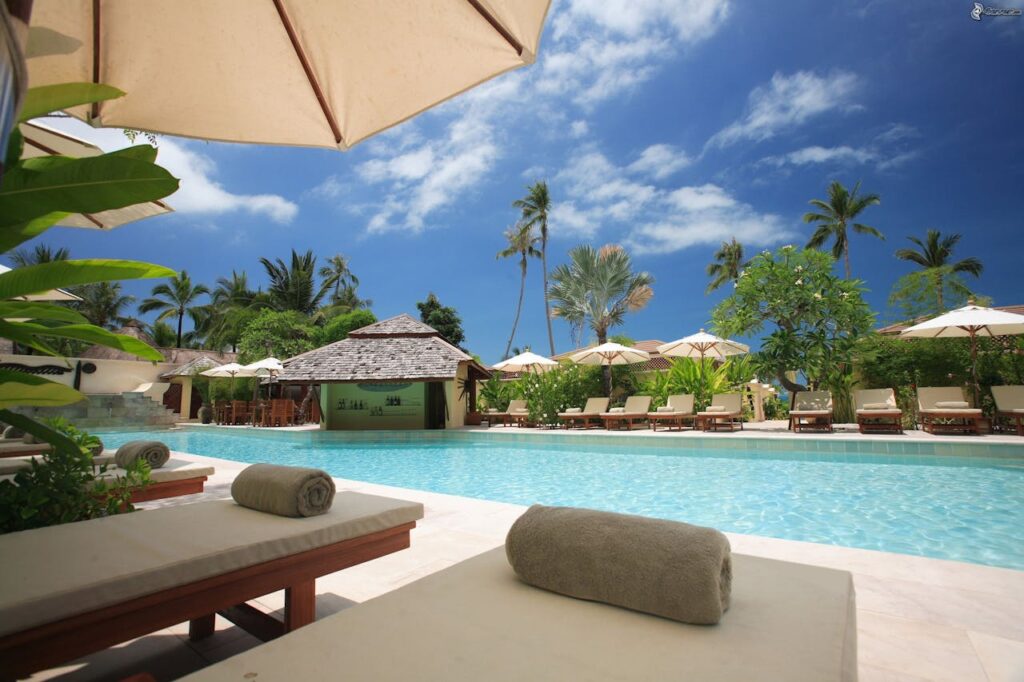
Hotels are reimagining themselves as destinations that serve both business and leisure needs. The best hotels for bleisure travel now offer:
-
Modern coworking spaces in lobbies, with strong Wi-Fi and charging stations.
-
Wellness amenities such as spas, gyms, meditation rooms, and yoga classes.
-
Curated local experiences, like guided tours, cooking classes, and art walks.
-
Extended-stay business hotel packages that include discounts for longer visits.
Hotel chains such as Marriott, Hilton, and Hyatt have all invested in creating environments where travelers can both work productively and unwind comfortably.
Meanwhile, Airbnb for business travelers has become a powerful alternative. The platform highlights “work-friendly” listings with ergonomic setups and reliable internet. Airbnb also offers weekly and monthly discounts, making it especially attractive for those who want to combine remote work with exploration. With the launch of Airbnb for Work, companies can manage employee bookings directly, ensuring professional needs are met while still allowing flexibility for leisure.
Many Airbnb hosts are also adapting by marketing their listings as perfect for bleisure travelers—emphasizing proximity to conference centers and tourist attractions alike, or providing insider guides to local restaurants and activities.
Destinations Made for Bleisure
Not all cities are equally suited for bleisure travel, and some have become global hotspots.
-
Barcelona, Spain: A thriving hub for conferences, startups, and trade fairs, with beaches and cultural landmarks just minutes away.
-
Lisbon, Portugal: Affordable, sunny, and brimming with coworking spaces abroad, it’s become one of the top destinations for digital nomads.
-
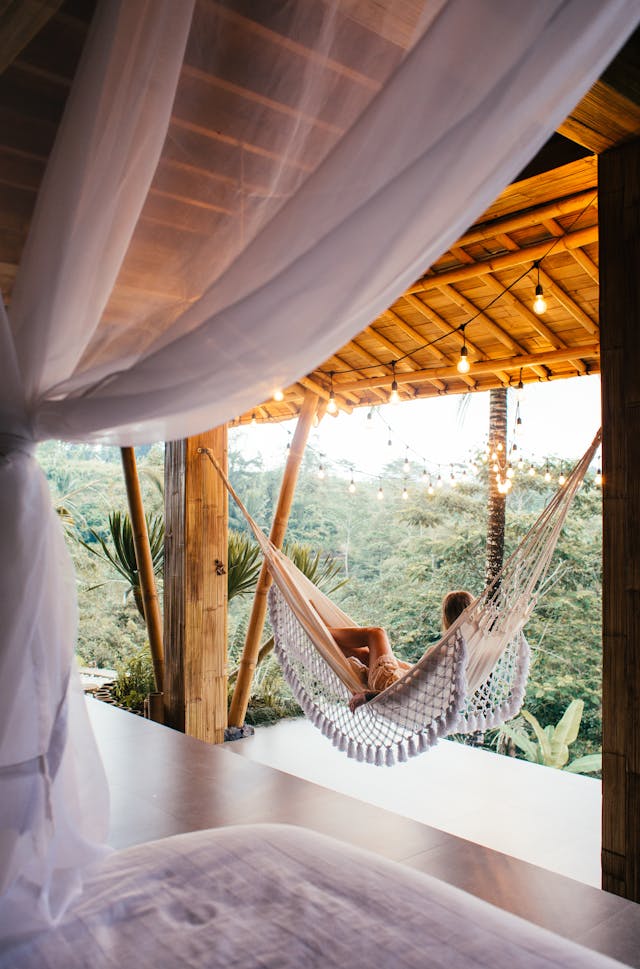
Bali, Indonesia: Long a favorite for remote workers, with stunning scenery, affordable living, and a vibrant expat community.
-
Singapore: A business powerhouse with luxury hotels, shopping, and multicultural food.
-
New York City, USA: Endless opportunities for both networking and leisure, from Broadway to Central Park.
These destinations, and many others, actively market themselves as bleisure-friendly cities, knowing that today’s travelers want both boardrooms and beaches, both meetings and museums.
The Challenges of Mixing Work and Play
Of course, bleisure travel isn’t without its hurdles. Companies must draw clear lines between what expenses are business-related and what falls to the employee. Tax and visa regulations can also be tricky. Staying longer in a country might require a tourist visa or even raise tax residency questions for digital nomads.
For individuals, the biggest challenge is balance. It’s tempting to squeeze in sightseeing between Zoom calls, but that can lead to “working vacations” where you never fully rest. Successful bleisure travelers plan intentionally: setting work hours, carving out true leisure time, and making sure both goals are met.
The Future of Bleisure Travel
Looking ahead, bleisure travel seems less like a trend and more like the future of business travel itself. As companies continue to embrace remote work and flexible schedules, the expectation will shift. Business trips will rarely be “just business”—they’ll be opportunities for cultural exchange, personal growth, and even family bonding.
Expect to see more hybrid conferences that integrate tourism activities, more co-living and co-working accommodations tailored to global professionals, and more destinations marketing themselves explicitly to the bleisure traveler. Technology will help too, from apps that recommend local activities during downtime to platforms that streamline blended expense reporting.
And importantly, sustainability will remain at the forefront. By combining multiple purposes into one trip, bleisure travelers reduce their carbon footprint, making this trend not only enjoyable but also responsible.
In short, bleisure travel is here to stay. It reflects deeper cultural changes in how we view work, life, and the value of travel. For companies, it’s a way to boost retention and employee satisfaction. For hotels and Airbnb hosts, it’s a chance to attract a growing demographic. And for travelers, it’s an invitation to turn obligatory business trips into journeys worth remembering.
The office may no longer have walls, and travel may no longer fit into neat categories. In this new world, bleisure travel isn’t just a buzzword—it’s the natural evolution of how we live, work, and explore.
