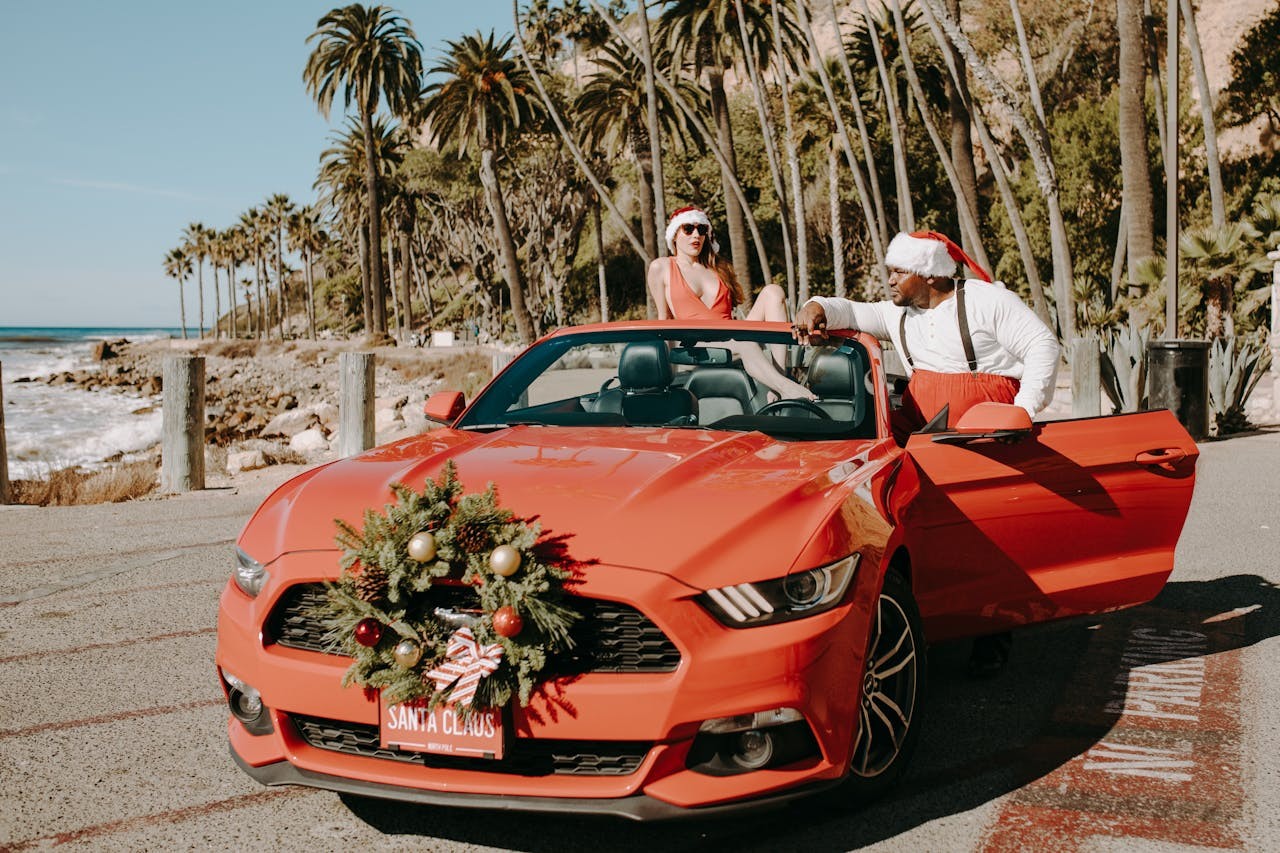

Somewhere between the last beach day and the first crisp breeze of autumn, something in us shifts. The flip-flops, sunscreen, and lazy beach reads start gathering dust; we begin to notice twinkle lights in store windows, social media ads for holiday décor, and gentle whispers of “pre-order your Christmas gifts now.” It feels too early. But make no mistake: by late August or early September, the gears in the retail world are already turning full throttle toward Christmas 2025.
That uncanny timing—why we begin thinking of Christmas right after summer?—is no accident. It is the product of years of “Christmas creep” (the gradual extension of the holiday merchandising season) woven with competitive necessity. Retailers know that margins are tight and supply chains fragile; starting early gives them buffer to test campaigns, adjust inventory, and capture consumers’ attention before the holiday crush.
So in this story of Christmas 2025, let’s walk through how the market is prepping, why we instinctively look ahead during vacations, and what trends will define this holiday season.
The Market’s Christmas Plan: From Forecast to Fulfillment
Around mid-year, many retailers and brands begin their Christmas 2025 playbooks. For big chains, procurement teams are finalizing orders by late summer to ensure inventory arrives in time. For e-commerce merchants, the mid-Q3 period is when marketing schedules, content calendars, discount strategies, and logistics plans are locked.
One signal of the stakes: according to Deloitte’s 2025 Retail Holiday Buyer Survey, many buyers are pushing for greater speed, real-time data, and flexibility in their supply chains, expecting volatile demand and shifting consumer tastes. Similarly, Acuver Consulting warns that delays between Thanksgiving (for U.S. markets) and Christmas are shorter this year, making delivery windows tighter and requiring tighter logistics planning.
In the digital realm, holiday campaigns are being loaded well in advance. A 2025 ecommerce insight report from Adobe outlines how brands are allocating ad budgets earlier, investing in AI-personalization, visual search, and omnichannel fulfillment (like buy-online-pick-up-in-store) to streamline the customer journey. Microsoft Advertising adds that 85% of U.S. shoppers plan to take part in major seasonal sales events, so brands are jockeying now to own those moments.
Forecasting is under pressure: supply chain uncertainty, shipping delays, and consumer sentiment shifts make predictions risky. That’s where dynamic inventory models (some powered by attention mechanisms, machine learning, or “AttnBoost” style adaptive models) are gaining traction. In short: the market is building in agility.
One more note: despite inflation, Mastercard’s data anticipates a 3.6% year-over-year increase in U.S. retail sales (excluding autos) between November 1 and December 24, 2025. Gift cards, in particular, are predicted to be a safer hedge in tight times, giving consumers flexibility.
In short: the market is preparing early, hedging risk, and embracing real-time tools to weather what may be a more cautious but still festive season.
Why We Think of Christmas Soon After the Sun
You might wonder: why do we mentally shift from summer to Christmas so early? There’s a psychological, cultural, and commercial cocktail at work:
- Psychological anchoring: After a long vacation, routines start returning. We glance into closets, unpack luggage, and notice the slower evenings. In that quiet lull, we let our minds wander to cozy scenes: fireplaces, twinkling lights, carols. It’s a natural pivot from rest to ritual.
- Cultural conditioning & media: Every year, retailers, designers, and social media influencers prime us for Christmas earlier. The “holiday season” begins trickling into October (sometimes sooner), aided by emails, teaser campaigns, and décor windows. Over time, our minds have learned to expect it.
- Retail pressures & “Christmas creep”: Retailers have consciously extended their holiday seasons to spread out demand, manage supply, and avoid last-minute scrambling. That pushes festive messaging earlier, which shapes consumer habits.
- Anticipation = conversion: From a marketing perspective, early emotional connection helps. If a shopper sees a lovely holiday display in September, the brand attaches itself to the consumer’s internal story of their future Christmas. When December arrives—boom—the conversion path is ready.
So when you catch yourself gazing at decorations in September, that’s not whimsy—it’s the system working as intended.
Christmas 2025 Trends: What Will Feel Different (and Familiar)
As we march toward December 2025, here are the key trends that appear to be shaping this year’s holiday season.
- Color & Décor: Moody Hues and Pastel Whimsy
Forget only red and green. This year, two decorating narratives compete. On one hand, we see moody, elegant palettes: forest green, deep burgundy, dark gold, burnt terracotta, charcoal black—with textures like velvet, flocking, and rich layering.
On the flip side: pastel and whimsical aesthetics—soft pinks, mints, pearls, silver, gold—are trending as refreshingly delicate alternatives. This duality gives decorators a playful tension: choose moody coziness or airy enchantment (or mix both).
Another emerging décor flavor: monochrome Christmas. A few brands are revealing black-and-white or neutral-themed holiday collections for those who prefer minimalism with a festive twist.
Also, new takes on tree toppers and lights are intriguing: oversized bows are displacing stars and angels in some styling circles. And retro, nostalgic night-lights (think small tree-shaped ceramics with soft bulbs) are enjoying a revival on social media feeds.
- Shifting Shopping Timing: Earlier, Later, Agile
The timeline of holiday shopping is stretching outward. While some shoppers are already hunting deals (even in September), many retail forecasts suggest a spike in last-minute activity. For example, Zeta finds 29% of consumers won’t start until the final week before Christmas. In 2025, Experian measured that 45% of consumers plan to begin shopping before November—but 62% still expect to be buying in December.
What that means: retailers cannot rest on early campaigns alone—they need nimble, reactive strategies for December surges. Promotional budgets and messaging must flex to shifting consumer priorities.
- Value, “Essential” Gifts & Smart Spending
Inflation and cost pressures are top of mind for many consumers. PwC forecasts a 5% drop in average seasonal spending from 2024. Still, many shoppers plan to maintain their gift spend—but they’ll favor items that feel meaningful, practical, or deeply personal. Gift cards again come into focus as a lower-risk, flexible choice.
Beauty brands, in particular, are rolling out “performance + value” holiday offerings, emphasizing clean formulas, ingredient stories, and smaller kits that feel indulgent but not excessive.
- Omnichannel, Mobile, and Ambient Commerce
If your phone is always out, expect your Christmas shopping to happen there too. Mobile commerce (m-commerce) is no longer a side channel—it’s a pillar. Over half of shoppers prefer smartphones for holiday purchases. Shoppable posts, live commerce, voice or visual search features—all are pushing into holiday strategies.
Also: BOPIS (buy online, pick up in store), curbside pickup, and hybrid fulfillment will be must-haves. Retailers who can promise fast, flexible delivery will win.
- Sustainability & Transparency
Consumers increasingly expect brands to act responsibly. That extends into holiday supply chains. Expect more sustainable packaging, upcycled décor, carbon-offset shipping, and storytelling about where components were sourced.
At the same time, retailers must balance sustainability with cost. The brands that succeed will be those that integrate ethical practices without dramatically inflating prices.
- Emotional Narrative & Experiential Moments
In a season that can feel hypercommercial, emotional resonance and experiential richness become differentiators. Brands will lean into storylines: “heritage,” “comfort,” “joy in small moments,” or “Christmas as self-care.” Pop-up immersive experiences, augmented reality decorations, curated gift boxes, personalization—all will play big roles.
Take the idea of themed holiday collections: for instance, Anthropologie’s Nutcracker-inspired collaboration (snowglobe ornaments, ballet-themed décor) transforms décor into storytelling artifacts.
- Toys, Technology & Nostalgia
On the children’s side, classic brands reimagined remain powerful. LEGO, Barbie, plus interactive AI toys and viral collectables (e.g. Pop Mart) are expected to dominate lists. Retro aesthetics and nostalgia also thread through gift categories—people love a familiar object with a modern twist.
Tech-enabled gifts, wellness gadgets, and hybrid physical/digital products will also see momentum. Combined with the smart shopping behavior, bundling and “kit gifts” may become more popular.
Scenes from Christmas 2025: A Narrative Blink
Imagine it’s November 15, 2025. You walk down your high street. The cool evening air carries the scent of pine, cinnamon, and scented candles. Storefronts are alive with displays: a velvet-draped window shimmering in burgundy and gold; next door, minimal black-and-white trees with white lights; a boutique beside it featuring pastel ornaments and blush pink wreaths.
You glance at your phone. A push notification from your favorite home décor shop: “Early-bird holiday sale starts now.” You click—and see curated themes, “moody luxe” bundles, and buy-online-pickup-in-store options.
In your mind, despite still wearing summer dresses a week ago, you begin drafting your gift list. That memory box for your sister. The wellness journal you eyed. A nostalgic LEGO set for your niece. A scented candle set for your friend who just moved in.
As December approaches, your inbox hums with reminders: “Need a gift? Shop our last-minute edit,” “Free gift wrap,” “Extended returns,” “Pop-up holiday experience in-store tonight.”
At home, your Christmas tree narrative itself is a blending: a few deep-gold baubles, touches of mint-green, fine metallic ornaments, soft ivory ribbons, and a dramatic oversized bow at the top. Fairy lights glimmer in warm white. Under the tree, elegantly wrapped gift boxes lie ready—each tagged, purposeful, and part of your personal story.
You browse social media and see TikToks of night-lights glowing in windows, tree decor unboxings, DIY wreath ideas mixing velvet, dried botanicals, and even black-and-white motif tablescapes. And you see a beauty brand launch a gift set in mid-October, rather than waiting for November.
All around, the holiday feeling is immersive, yet it started quietly much earlier.
Key Takeaways & Guidance (for Shoppers & Brands)
For Shoppers:
- Don’t wait for December — browsing early gives you more choice and better deals.
- Use gift cards or flexible gifts to manage budget risk in inflationary times.
- Think story — gifts that reflect memory, sustainability, or belonging will outshine generic stuff.
- Mix aesthetics: a moody base with light, whimsical touches helps your décor feel both current and personal.
For Brands / Retailers:
- Load your holiday strategy early but build in agility for December’s surprises.
- Invest in mobile-first experiences, AI personalization, visual/voice search, and omnichannel fulfillment.
- Tell emotional stories—not just promotions. Narrative, experience, and meaning will drive loyalty.
- Embrace sustainable practices, transparent sourcing, and packaging care.
As September bleeds into October, and the first frost tugs at window panes, the Christmas story of 2025 is already being written. Behind the scenes, supply chains hum, marketing machines spin, and creative imaginations dream of festive tables, twinkling lights, gifts wrapped in care. For all of us—whether shoppers, brand builders, or story lovers—this is a season to lean in early, tell better stories, and let the magic unfold on our own timelines.
