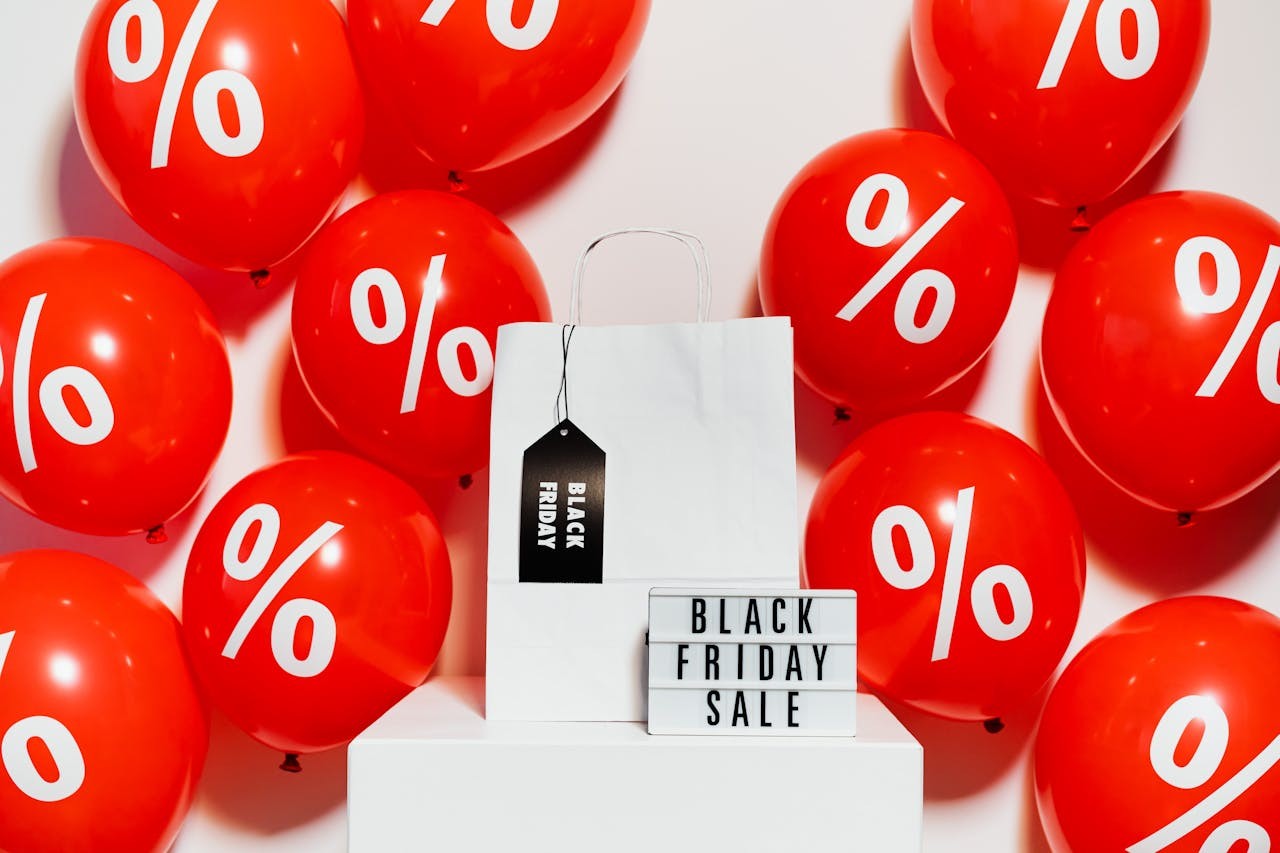

Every year, as November winds down and the holiday season approaches, an unmistakable buzz takes over malls, online stores, and city streets around the globe. It’s the sound of Black Friday—one of the most anticipated shopping events of the year. What began as a uniquely American phenomenon has grown into a global retail tradition, shaping consumer behavior, influencing marketing strategies, and even becoming a cultural symbol of the modern economy. But how did Black Friday begin? What does it really represent today? And how do different countries participate in this shopping spectacle? Let’s take a closer look.
The Origins of Black Friday
Although many associate Black Friday with lines stretching around department stores and eye-catching online discounts, its origins have little to do with shopping at all. The earliest documented use of the term dates back to the 19th century, but in a very different context. In 1869, “Black Friday” described a financial crisis triggered by two Wall Street speculators whose gold market manipulation led to a catastrophic stock market crash.
The retail-related meaning of Black Friday emerged later, and there are two widely shared explanations.
-
Philadelphia’s “Black Friday”
In the 1950s and 1960s, police officers in Philadelphia used the phrase “Black Friday” to describe the chaotic day after Thanksgiving. Shoppers from the suburbs flooded the city ahead of the Army–Navy football game, causing traffic jams, overcrowded sidewalks, and surging shoplifting incidents. Local retailers tried to put a positive spin on the term by renaming it “Big Friday,” but the original name stuck—and spread.
-
Retailers Going “Back in the Black”
A more romanticized but widely repeated explanation is that the day after Thanksgiving was when retailers moved from financial “red” (losses) to “black” (profits). Although this is not where the term originally came from, it does accurately reflect Black Friday’s economic impact. For many businesses, the holiday shopping season—launched unofficially by Black Friday—is the most profitable period of the year.
By the late 20th century, Black Friday had become a national event across the United States, with major retailers offering dramatic discounts and opening their doors earlier each year. What began as early morning sales evolved into midnight openings, and eventually into stores opening on Thanksgiving evening itself—though public backlash in recent years has tempered this trend.
The Rise of Modern Black Friday
The early 2000s brought a transformation to Black Friday. As technology advanced and e-commerce boomed, the shopping experience shifted from physical stores to digital platforms. Lines and crowds still exist, but online retail has become equally—if not more—powerful.
Cyber Monday and the Digital Shift
In 2005, “Cyber Monday” was introduced as an online-focused counterpart to Black Friday. But over time, the distinction has blurred, with many retailers launching extended discounts that stretch across the entire week or even the entire month of November. Today, Black Friday is not just a day; it’s a season.
From Doorbusters to Digital Deals
Traditional “doorbuster” deals—ultra-low prices designed to draw crowds into stores—have evolved into flash sales, app-exclusive discounts, and personalized promotions powered by algorithms. The modern consumer can shop from home, compare prices instantly, and browse international retailers with ease. Black Friday is now just as much about convenience as it is about savings.
What Black Friday Means Today
For some, Black Friday is simply an opportunity to save money on holiday gifts. For others, it’s a cultural event—almost a sport, complete with strategies, competitive spirit, and a shared sense of excitement. But Black Friday also carries broader meaning:
-
A Barometer of Economic Trends
Retail performance on Black Friday often serves as an informal indicator of consumer confidence. Strong sales can suggest economic optimism, while weak sales may indicate caution.
-
A Reflection of Changing Consumer Behavior
The shift from in-store chaos to online shopping highlights a broader global trend: consumers value speed, convenience, and digital flexibility. Many shoppers now prefer early deals, avoiding the stress of crowded stores.
-
A Source of Controversy
Black Friday also sparks debate. Critics argue that it encourages overconsumption and environmental waste. Others highlight worker issues, as retail employees often face long hours and stressful conditions. In response, some brands promote alternatives like:
- Buy Nothing Day – a protest against consumerism
- Green Friday – encouraging sustainable purchases
- Small Business Saturday – supporting local merchants
Black Friday has become more than just a shopping holiday; it’s a mirror reflecting the complexities of modern consumer culture.
How Black Friday Is Celebrated Around the World
While Black Friday started in the United States, it has now become a global phenomenon. Each region adopts it in its own way—some enthusiastically, others more cautiously.
United Kingdom & Europe
Black Friday entered the European market around the 2010s, largely driven by online retailers like Amazon. Today, it is one of the biggest shopping events of the year across the UK, Germany, France, Spain, Italy, and beyond. Many European shoppers wait for Black Friday to make large purchases, especially electronics and home appliances.
Canada
Canada participates heavily in Black Friday, especially as retailers try to keep shoppers from crossing the border into the United States for better deals. The day has become nearly as significant in Canada as in the U.S.
Latin America
Countries like Brazil, Mexico, and Argentina have rapidly embraced Black Friday. In Mexico, a similar event called El Buen Fin (“The Good Weekend”) precedes U.S.-style Black Friday and lasts several days. Online shopping has driven much of the growth in the region.
Asia
In China, Singles’ Day (November 11th) is far larger than Black Friday, but Western-style discounts are still gaining popularity, especially among younger shoppers. Countries like India, Japan, and South Korea participate through major online marketplaces, often blending Black Friday with local festivals and end-of-year sales.
Africa & the Middle East
Black Friday has seen strong adoption in countries like South Africa, the UAE, Egypt, and Saudi Arabia. Many retailers run multi-day promotions under terms like “White Friday” (a name used in parts of the Middle East).
The Global Future of Black Friday
As Black Friday continues to expand worldwide, its future will likely be shaped by technology, sustainability concerns, and shifting consumer expectations. We may see:
- More personalized online shopping experiences
- Further integration of AI-driven price prediction and deal alerts
- Increased competition among global retailers
- More sustainable, eco-friendly promotions
- Shorter shipping times and better logistics
One thing is certain: Black Friday is no longer just an American tradition. It has become a global retail milestone, an economic powerhouse, and a cultural touchpoint marking the beginning of the holiday shopping season.
