
Exfoliation has always been one of the secrets to radiant, youthful skin. Dead skin cells create dullness, clog pores, and make even the best serums or moisturizers less effective. This is where a good peeling gel and wash-off creamy masks step in, offering two different yet complementary approaches to revitalizing the complexion. In the world of skincare, both belong to the category of gentle treatments that deliver visible results without the need for harsh scrubs or invasive procedures. Understanding how they work, what ingredients drive their results, and how they can fit into a skincare routine can make all the difference between average and truly glowing skin.
What's a Peeling Gel?
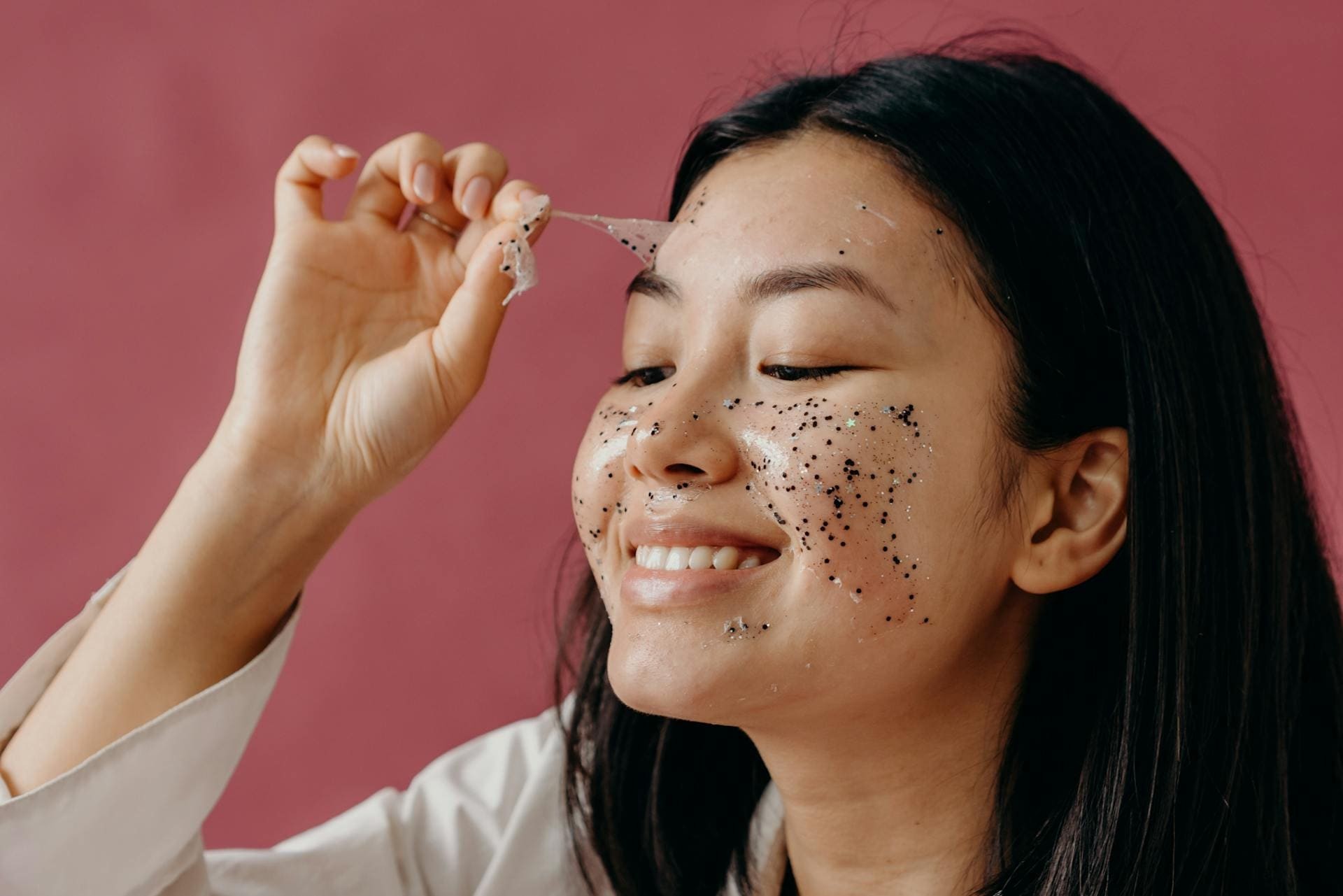
Peeling gels are lightweight, water-based exfoliators often associated with Korean skincare. Unlike physical scrubs with rough particles, peeling gels use mild acids, enzymes, or cellulose fibers to gently lift away dead skin. When massaged onto clean, dry skin, they create small clumps or rolls as they catch and remove debris. This process feels surprisingly soft and leaves the skin polished but not stripped.
The secret lies in their active ingredients. Many peeling gels include alpha hydroxy acids (AHAs) like lactic acid for surface exfoliation, or fruit-derived enzymes such as papain and bromelain, which break down protein bonds in dead skin cells. This makes peeling gels a favorite for sensitive or dehydrated skin types that cannot tolerate gritty scrubs. The result is smoother texture, improved absorption of skincare products, and a refreshed glow without irritation.
Wash-Off Creamy Masks
Creamy wash-off masks bring nourishment and comfort while exfoliating in a gentler, more hydrating way. These masks are typically thick in texture, packed with moisturizing agents, soothing botanicals, and sometimes mild exfoliants. Unlike peeling gels, which focus on removing dead skin quickly, creamy masks provide a spa-like experience where skin has time to soak in beneficial ingredients before rinsing away impurities.
Key ingredients often include kaolin or bentonite clay for absorbing excess oil, shea butter or ceramides for barrier repair, and calming agents like chamomile or centella asiatica to soothe irritation. When combined with mild acids or enzymes, these masks strike the balance between exfoliation and hydration, making them suitable for those who want smoother skin without dryness.
How They Work Together
While peeling gels and creamy masks may seem similar, they serve different purposes in a routine. Peeling gels primarily exfoliate, working on the outer layer of skin to reveal brightness. Creamy wash-off masks focus on replenishment, hydration, and calming benefits, with exfoliation as an added bonus.
Using both in rotation can give skin the best of both worlds. A peeling gel can be used once or twice a week to clear away buildup, and on another day, a creamy wash-off mask can restore balance, leaving skin soft and supple. Alternating between the two prevents over-exfoliation, one of the most common mistakes in modern skincare.
Key Ingredients to Look For in a Peeling Gel
Peeling gels are most effective when powered by enzymes such as papaya extract or pineapple extract, as well as acids like glycolic or lactic acid in low concentrations. These actives dissolve bonds between dead cells, creating an even canvas for serums and creams to work more effectively.
Creamy masks often highlight a different set of ingredients. Hyaluronic acid pulls water into the skin, making it look plump and fresh. Niacinamide adds brightening and barrier-supporting benefits. Natural oils like jojoba or almond oil cushion the skin and prevent moisture loss. When paired with mild acids like mandelic acid or gluconolactone, these masks offer both hydration and gentle resurfacing.
How to Use Peeling Gels and Wash-off Masks in a Routine
A peeling gel should always follow cleansing but come before any hydrating serums or creams. Massage a small amount onto dry skin, wait for the exfoliating action to happen, then rinse thoroughly. Immediately after, skin is more receptive, so layering hydration is essential.
Wash-off creamy masks work well at the end of a long day or during a weekend self-care ritual. After cleansing, apply a generous layer, let it sit for 10 to 20 minutes, and rinse with lukewarm water. Unlike peeling gels, these masks don’t require immediate layering of products, but following with a light serum or moisturizer helps lock in the treatment benefits.
A Balanced Approach to Exfoliation
Both peeling gels and creamy wash-off masks prove that skincare does not need to be aggressive to be effective. Gentle exfoliation paired with nourishment often yields better long-term results than harsh scrubs or frequent chemical peels. The secret lies in choosing the right ingredients, respecting skin’s natural barrier, and alternating treatments to avoid overloading.
When peeling gels refine and masks replenish, the skin gains clarity, hydration, and resilience. Together, they represent an elevated approach to exfoliation, one that values both results and experience. For anyone seeking a glowing, healthy complexion, these treatments can easily become essential allies in a thoughtful skincare routine.

