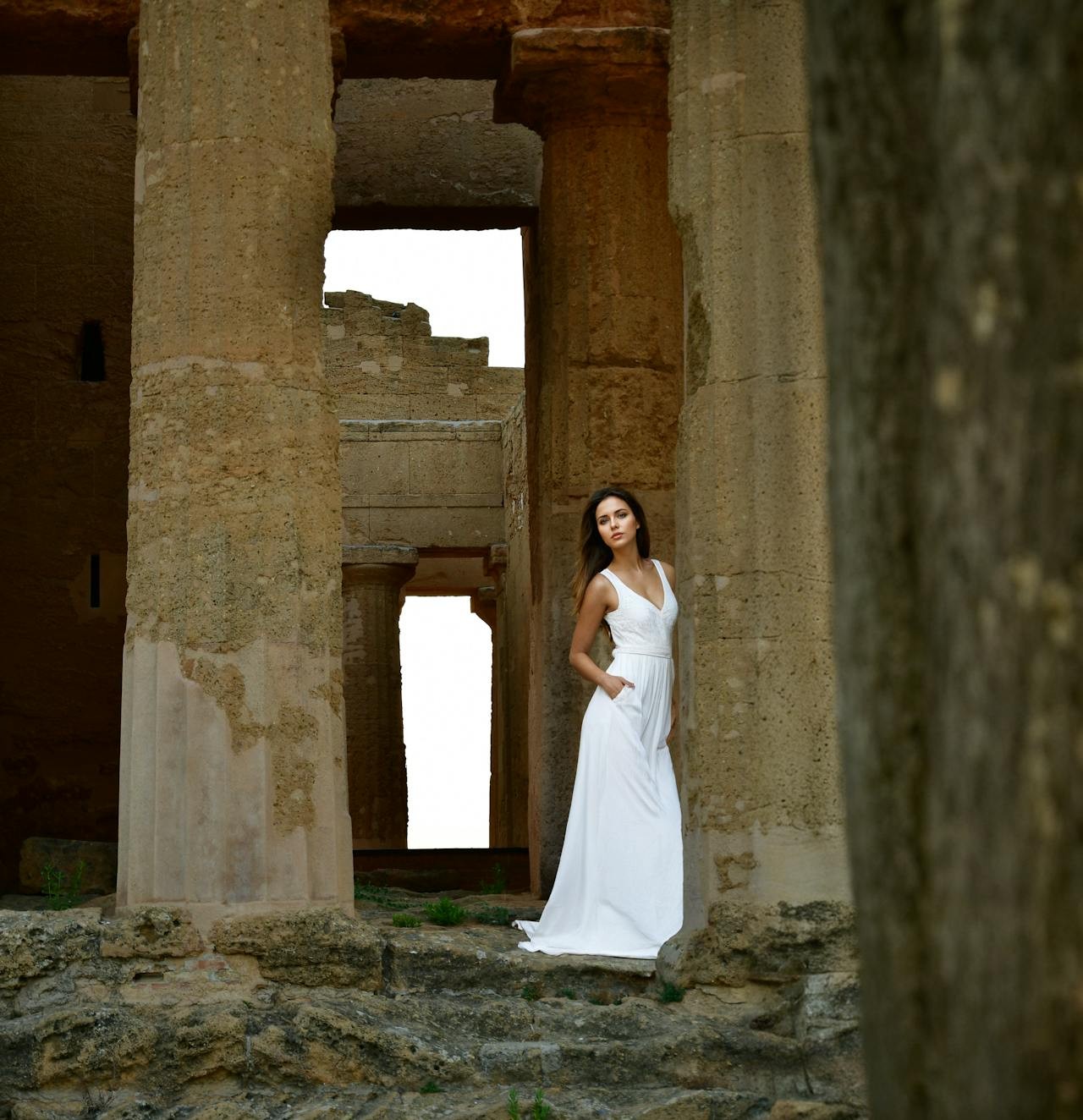

Beauty has always been more than skin deep. Across history, humans have turned to cosmetics, body care rituals, face care techniques, hydrating creams, and anti-aging remedies not only to enhance appearance but also to symbolize status, health, and even spirituality. From Cleopatra’s legendary beauty rituals to today’s scientific innovations, the story of beauty is a reflection of culture, tradition, and technology.
In this article, we’ll trace the fascinating journey of beauty through the ages, showing how ancient practices inspired modern skincare and how cosmetics evolved into a multi-billion-dollar industry.
Ancient Beauty Practices
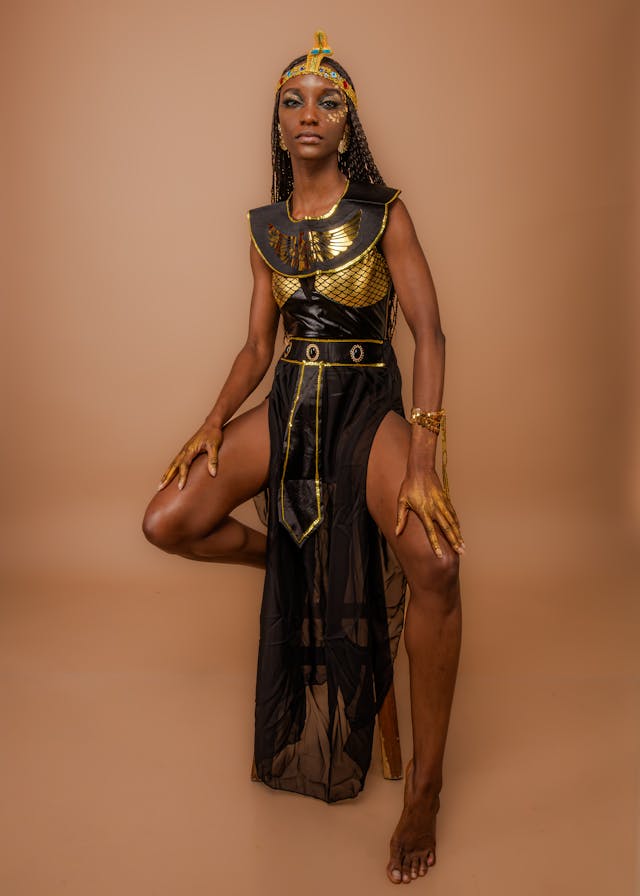
Cleopatra and Egyptian Beauty Secrets
When it comes to beauty history, Cleopatra remains an icon. Ancient Egyptians were pioneers in creating structured routines for body care and cosmetics.
-
Cosmetics: Kohl eyeliner defined the eyes while protecting against sun glare and infections. Malachite and galena powders offered both style and medicinal properties.
-
Body Care: Oils from almonds, castor beans, and sesame were applied daily to prevent skin from cracking in the desert heat. Perfumed oils doubled as deodorants.
-
Face Care: Cleopatra’s milk baths exfoliated and rejuvenated the skin. Aloe vera, honey, and frankincense were used as natural moisturizers—echoing the hydrating creams of today.
-
Anti-aging: Resins and essential oils were believed to preserve youth, an early nod to the quest for timeless beauty.
Egypt’s holistic approach to beauty—combining health, skincare, and spirituality—set the stage for global traditions.
Greek and Roman Beauty Traditions
The Greeks celebrated harmony and balance. Beauty was seen as a reflection of inner virtue, while the Romans elevated self-care into a social activity.
-
Cosmetics: Greeks whitened skin with chalk or powders, and used saffron for natural blush. Romans added crushed gemstones for shimmer.
-
Body Care: Olive oil massages were central to both cultures, not only for skincare but also for relaxation and strength.
-
Face Care: Honey masks, rose water, and herbal pastes kept skin smooth. Romans pioneered luxury baths infused with oils and flowers—rituals similar to modern spa treatments.
-
Anti-aging: Vinegar-based tonics and herbal concoctions were consumed or applied to slow aging.
These practices foreshadowed the integration of wellness, beauty, and self-care in today’s body care industry.
Medieval and Renaissance Beauty
Medieval Beauty Ideals
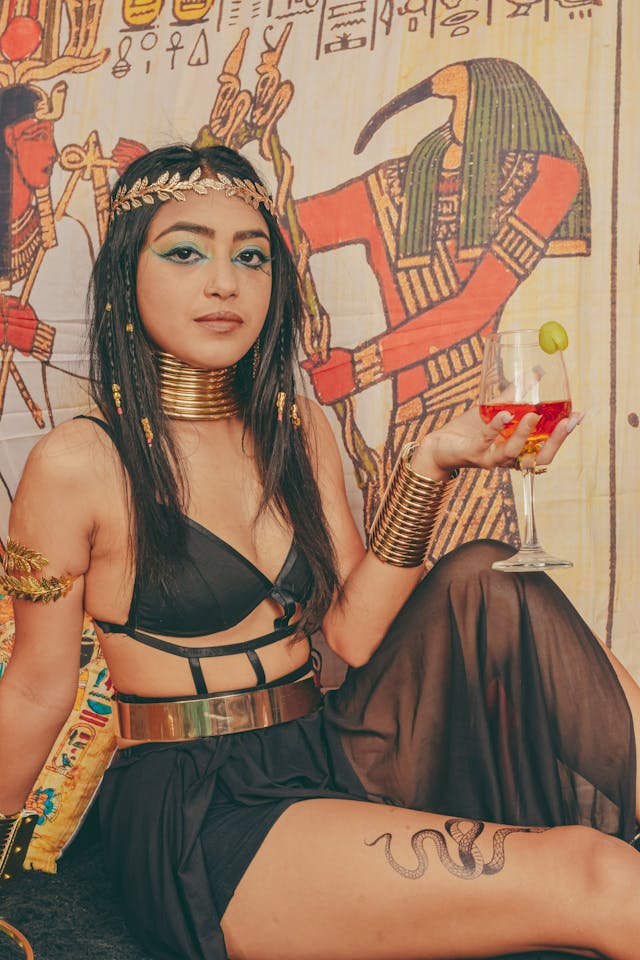
The Middle Ages in Europe emphasized modesty and spirituality. Pale skin signified nobility, as tanned skin was associated with laborers.
-
Cosmetics: Light herbal pigments and natural stains were used sparingly, as heavy makeup was frowned upon.
-
Body Care: Herbal rinses and rose water were essential for fragrance and cleansing. Lavender, sage, and rosemary were popular for their antibacterial qualities.
-
Face Care: Egg whites created a tightening mask effect, reducing the look of wrinkles. Vinegar washes were believed to keep skin youthful.
Though understated, these natural remedies highlight the early link between face care and anti-aging practices.
Renaissance Beauty Rituals
The Renaissance celebrated radiance, sophistication, and artistry. Women aimed for luminous complexions to mirror the ideals seen in paintings.
-
Cosmetics: Lead powders and mercury-based skin lighteners became fashionable, though toxic. Rouge highlighted cheeks, while gold dust was sometimes added for glow.
-
Body Care: Elaborate herbal baths and scented accessories like gloves and fans were symbols of elegance.
-
Face Care: Cold creams made from olive oil, beeswax, and rosewater were refined during this era, serving as the ancestors of modern hydrating creams.
-
Anti-aging: Herbal tinctures and botanical extracts such as rosemary and chamomile were used in masks to maintain youthful skin.
This era’s focus on refinement shaped how cosmetics were viewed—not just as decoration, but as an art form.
Beauty in the 18th and 19th Centuries
Extravagance of the 18th Century
European aristocracy showcased wealth and power through bold, theatrical beauty.
-
Cosmetics: White lead face powders, rouge circles, and elaborate beauty patches (mouches) defined upper-class style. Both men and women wore heavy makeup.
-
Body Care: Perfumed waters, wigs dusted with scented powders, and scented oils were used daily.
-
Face Care: Cold creams and herbal balms balanced the effects of harsh cosmetics.
19th Century: A Return to Natural Beauty
Victorian ideals shifted toward modesty and “natural” appearances.
-
Cosmetics: Heavy makeup was often seen as improper. Instead, women used tinted lip salves, light powders, and subtle rouge.
-
Body Care: Bathing became more common, supported by advances in plumbing. Floral soaps and lotions became household staples.
-
Face Care: Packaged creams and cleansers gained popularity. Petroleum jelly and glycerin-based moisturizers were widely used for hydration.
-
Anti-aging: Cold creams promised to soften fine lines, foreshadowing the anti-aging industry.
The industrial revolution made beauty products widely available, setting the foundation for the modern cosmetics market.
The 20th Century: Modern Beauty is Born
The 20th century was transformative, as science, media, and culture redefined beauty.
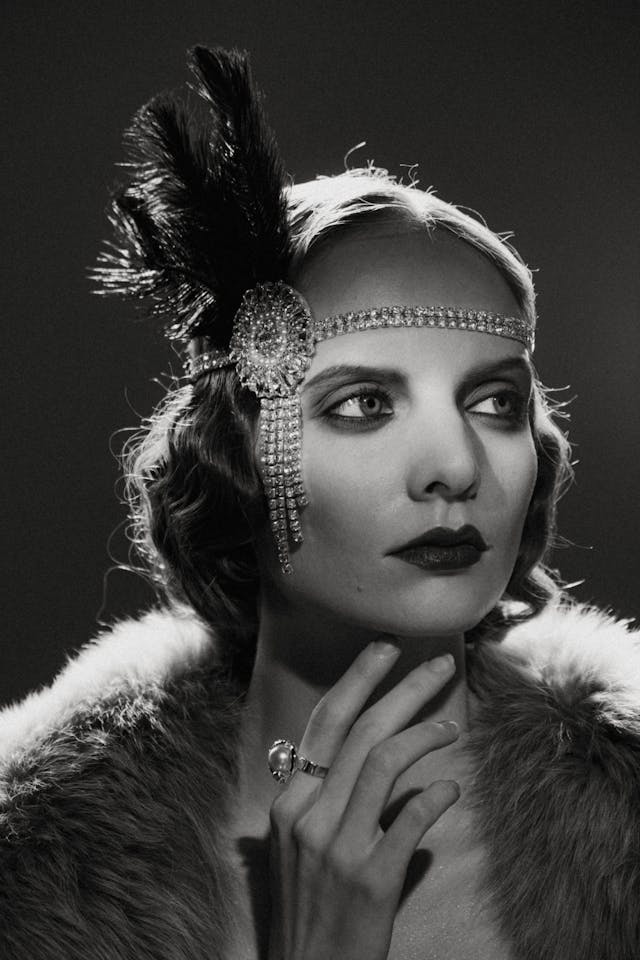
1920s: The Flapper Look
With women gaining independence, bold styles emerged.
-
Cosmetics: Red lipstick and smoky eyes became fashionable. Compact powders allowed women to touch up on the go.
-
Face Care: Cold creams were essential for cleansing heavy makeup.
1950s: Hollywood Glamour
The golden age of cinema influenced beauty standards worldwide.
-
Cosmetics: Iconic stars like Marilyn Monroe popularized eyeliner wings and red lips.
-
Body Care: Perfumed lotions and talcum powders became household staples.
-
Face Care: Moisturizers with vitamin E gained traction as hydrating creams.
1980s–1990s: The Rise of Wellness
Fitness and natural looks defined the late 20th century.
-
Cosmetics: Lighter makeup with fresh, glowing finishes was trendy.
-
Body Care: Aromatherapy and spa treatments entered the mainstream.
-
Face Care: Hydrating creams with hyaluronic acid, retinol-based anti-aging serums, and sun protection became everyday essentials.
By the end of the century, cosmetics were no longer just for glamour—they became part of self-care.
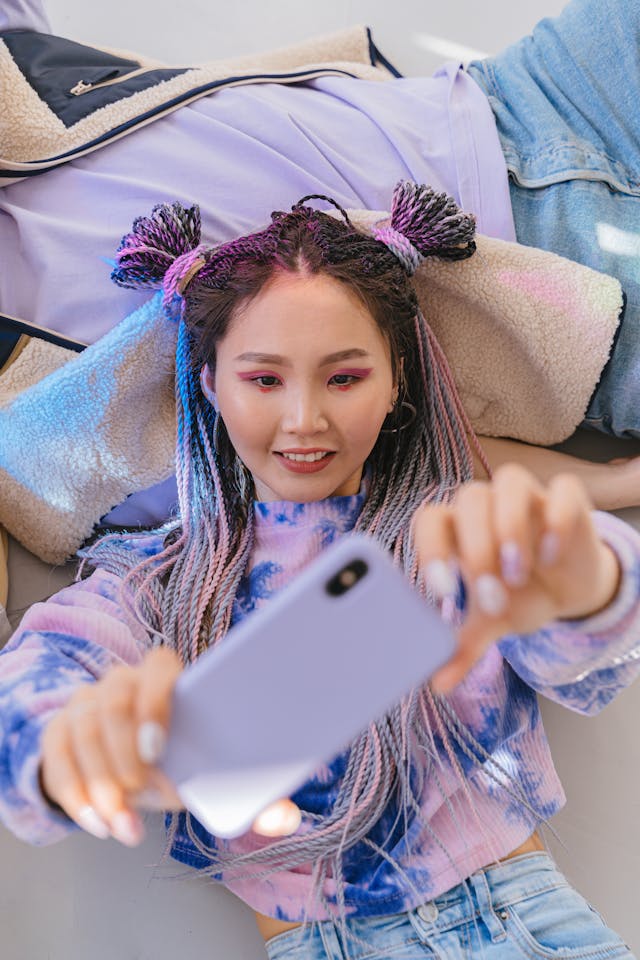
The 21st Century: High-Tech Beauty and Inclusivity
The beauty industry today is diverse, innovative, and science-driven.
Modern Cosmetics: Diversity and Personalization
-
Inclusive makeup ranges offer shades for all skin tones.
-
Vegan, cruelty-free, and clean beauty brands cater to ethical consumers.
-
Makeup now overlaps with skincare, offering tinted moisturizers with SPF and nourishing serums.
Body Care Innovations
-
Natural ingredients like shea butter, coconut oil, and botanical extracts dominate.
-
Eco-friendly packaging and refillable containers reflect sustainability trends.
-
Body scrubs, oils, and lotions emphasize both hydration and sensory wellness.
Face Care Advances
-
Hydrating creams: Now enriched with ceramides, peptides, hyaluronic acid, and probiotics for barrier repair and deep hydration.
-
Anti-aging products: Retinol, collagen boosters, vitamin C, and niacinamide address fine lines, pigmentation, and elasticity.
-
Technology in face care: AI-powered skin analysis apps, at-home LED masks, and DNA-based product recommendations are redefining routines.
Beauty is now personalized, combining data and science with traditional self-care rituals.
Beyond 2020: The Future of Beauty
Looking ahead, the beauty industry is moving toward sustainability, inclusivity, and wellness integration.
-
Sustainable cosmetics: Biodegradable packaging and refillable hydrating creams reduce waste.
-
Anti-aging research: Stem cell technology, peptides, and microbiome-friendly skincare promise more targeted results.
-
Holistic body care: The future links beauty to mental health, stress relief, and nutrition.
Tomorrow’s beauty will blend ancient wisdom with futuristic science—much like Cleopatra’s milk baths inspired chemical exfoliants centuries later.
Conclusion: Timeless Beauty, Evolving Practices
From ancient rituals with honey and oils to today’s high-tech hydrating creams and anti-aging serums, the history of beauty reflects humanity’s constant desire for youth, wellness, and self-expression.
While products and techniques have changed dramatically, the essence of beauty remains timeless: nurturing the body, caring for the face, and embracing cosmetics as tools of confidence and identity.
As the beauty industry evolves further—with sustainability, personalization, and technology—one thing is clear: our pursuit of beauty is eternal, weaving together the lessons of the past and the innovations of the future.

