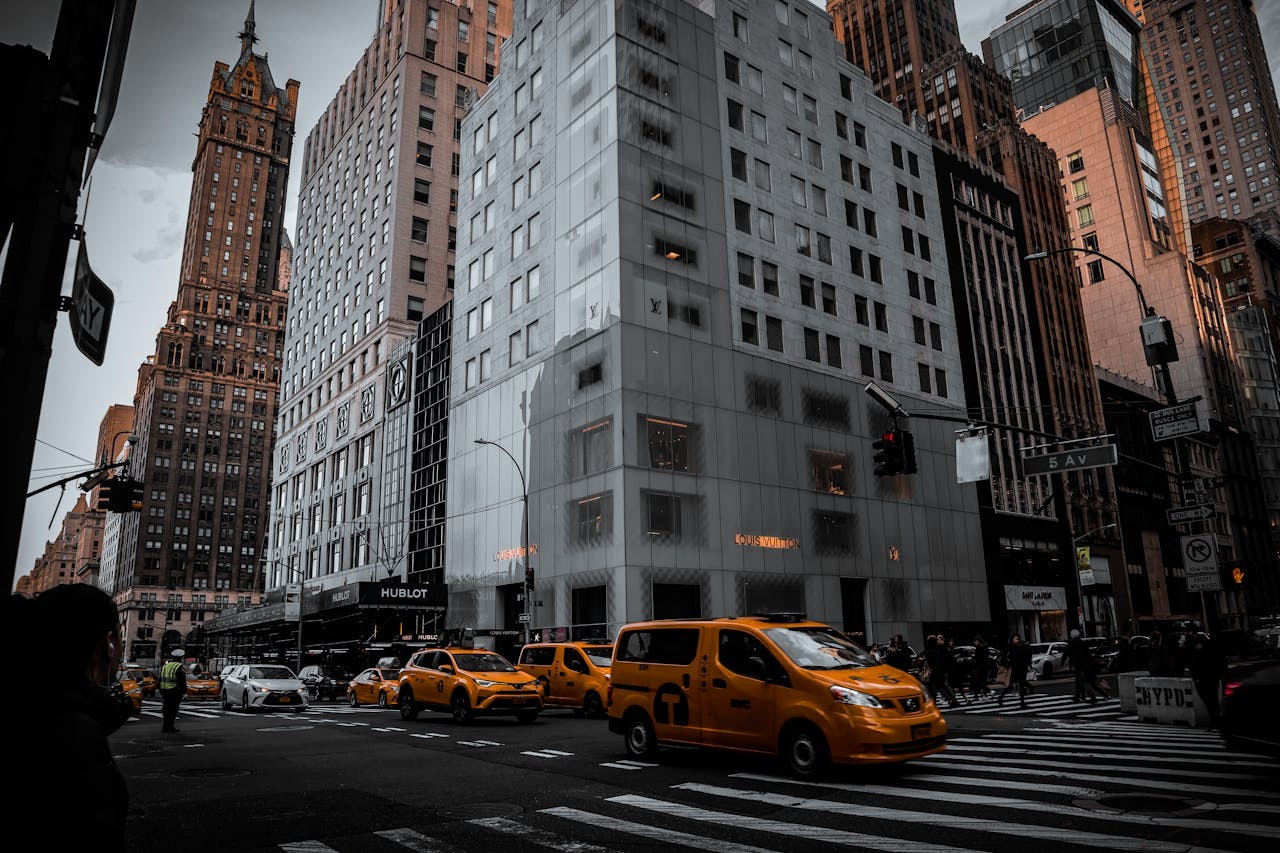

Over the past 100 years, cities have transformed from walkable hubs of commerce to sprawling networks dominated by cars. In the early 1900s, streets were shared spaces — pedestrians, bicycles, trams, and horse-drawn carriages all mingled. The invention of the automobile revolutionized mobility, promising freedom and speed. By the mid-20th century, private vehicles had become symbols of progress, especially in the United States and Europe. Governments invested heavily in road infrastructure, creating wide highways and multi-lane avenues designed to accommodate ever-growing traffic.
However, this car-centric urban design came at a cost. As more people purchased cars, traffic congestion worsened. Public transportation systems, once vital to city life, were neglected in favor of car ownership. The result is what we see today: cities choked by traffic jams, air pollution, noise, and stress. In the 21st century, with rapid urbanization and population growth, managing urban traffic has become one of the greatest challenges for modern cities striving toward sustainability and livability.
The Root Causes of Urban Traffic
The reasons for chronic traffic congestion are complex and interconnected. At its core, traffic is the result of too many vehicles competing for limited road space. But deeper systemic issues contribute to the gridlock.
Urban sprawl plays a major role. As housing costs rise in city centers, people move to suburban areas, increasing commuting distances and car dependency. Poor public transportation systems further exacerbate the problem. In many large cities, buses and trains are overcrowded, unreliable, or inaccessible, forcing people to rely on private vehicles.
Another major cause is inefficient traffic management. Poorly timed traffic lights, lack of synchronized systems, and insufficient data analysis can create bottlenecks. Economic growth also contributes, as more people can afford cars, delivery vans, and ride-hailing services, all of which compete for space.
Then there’s human behavior — the individual decisions that collectively impact congestion. Single-occupant cars dominate rush hours, while unnecessary trips and lack of carpooling further overload the streets. The rise of online shopping and food delivery services has added thousands of vehicles to the roads daily, making city traffic even more complex.
The Human and Environmental Impact
Traffic congestion is not just an inconvenience; it’s a public health, economic, and environmental crisis. The average urban commuter spends hours every week stuck in traffic — hours that could be spent with family, exercising, or working productively. This chronic delay increases stress levels, reduces sleep quality, and contributes to mental fatigue. Studies show that people living in cities with heavy traffic are more likely to suffer from anxiety, irritability, and even cardiovascular problems caused by prolonged exposure to noise and pollution.
From an environmental perspective, traffic is a major source of greenhouse gas emissions. Idling cars release carbon dioxide, nitrogen oxides, and particulate matter, all of which contribute to climate change and poor air quality. The World Health Organization reports that air pollution kills millions annually, and vehicle emissions are among the top contributors. Urban heat islands — where city temperatures rise due to asphalt and exhaust — further worsen air quality and energy consumption.
Economically, congestion drains billions from national economies each year. Lost productivity, wasted fuel, and delivery delays cost businesses and governments enormous sums. The ripple effect of traffic extends beyond individuals — it slows down emergency services, disrupts logistics, and decreases overall quality of life.
Smart Cities and Sustainable Transportation: A Path Forward
The good news is that cities around the world are experimenting with innovative solutions. The concept of smart cities — urban areas that use technology, data, and design to improve mobility — is reshaping how we think about transportation.
One of the most promising trends is the shift toward sustainable transportation. Electric vehicles (EVs), shared mobility, and renewable energy-powered infrastructure are key components of the future city. Governments are investing in public transit electrification, bike lanes, and pedestrian-friendly urban planning. Cities like Copenhagen, Amsterdam, and Bogotá have demonstrated that cycling infrastructure can dramatically reduce car use and improve air quality.
Public transportation modernization is equally critical. Real-time data systems, digital payment solutions, and improved service reliability make buses and metros more appealing. In some cities, congestion pricing — charging drivers for entering crowded areas — has reduced traffic and encouraged public transit use.
Meanwhile, car-sharing platforms and micro-mobility options such as e-scooters and electric bikes are changing short-distance travel patterns. These services not only reduce the number of private cars but also promote healthier lifestyles by encouraging walking and cycling.
What Individuals Can Do
While large-scale solutions require political will and infrastructure investment, individuals can play a powerful role in reducing urban traffic. Choosing public transport, carpooling, or cycling instead of driving alone can collectively make a huge difference. Walking or using bikes for short trips reduces emissions and improves personal health — promoting cardiovascular fitness and reducing stress.
Working remotely, even a few days per week, can also ease peak-hour congestion. Similarly, supporting policies that promote sustainable urban mobility — like low-emission zones, better bus networks, and green infrastructure — helps build long-term change.
On a more personal level, small decisions matter. Planning trips efficiently, maintaining vehicles to reduce emissions, and combining errands into one journey all contribute to a cleaner, less congested environment. Educating children about sustainable mobility also ensures future generations value eco-friendly choices.
Reimagining the Future of Urban Mobility
The last hundred years were defined by the rise of the automobile; the next hundred will be defined by how cities adapt beyond it. Urban planners, policymakers, and citizens are rethinking how we move, work, and live. The global shift toward decarbonization, renewable energy, and green transportation is more than a trend — it’s an urgent necessity.
In the cities of the future, mobility will not depend on owning a car but on accessing efficient, clean, and flexible transport networks. Smart grids, autonomous vehicles, and digital traffic management systems will make roads safer and smoother. More importantly, redesigned cities will prioritize people over vehicles — where walking, cycling, and community spaces replace endless traffic lanes.
A Healthier, Greener Urban Life
Reducing traffic is not just about movement; it’s about reclaiming time, space, and well-being. Less traffic means cleaner air, quieter neighborhoods, and more room for parks and public spaces. It also fosters stronger communities — where people can meet, walk, and connect without the constant hum of engines.
In the fight against climate change, urban traffic reduction is one of the most effective and visible actions we can take. Whether through policy, technology, or individual action, the path toward sustainable cities begins with reimagining how we move — from the daily commute to the grand design of our urban future.
The challenge is immense, but the rewards — a greener planet, healthier lives, and thriving smart cities — are worth every step, pedal, and shared ride along the way.
