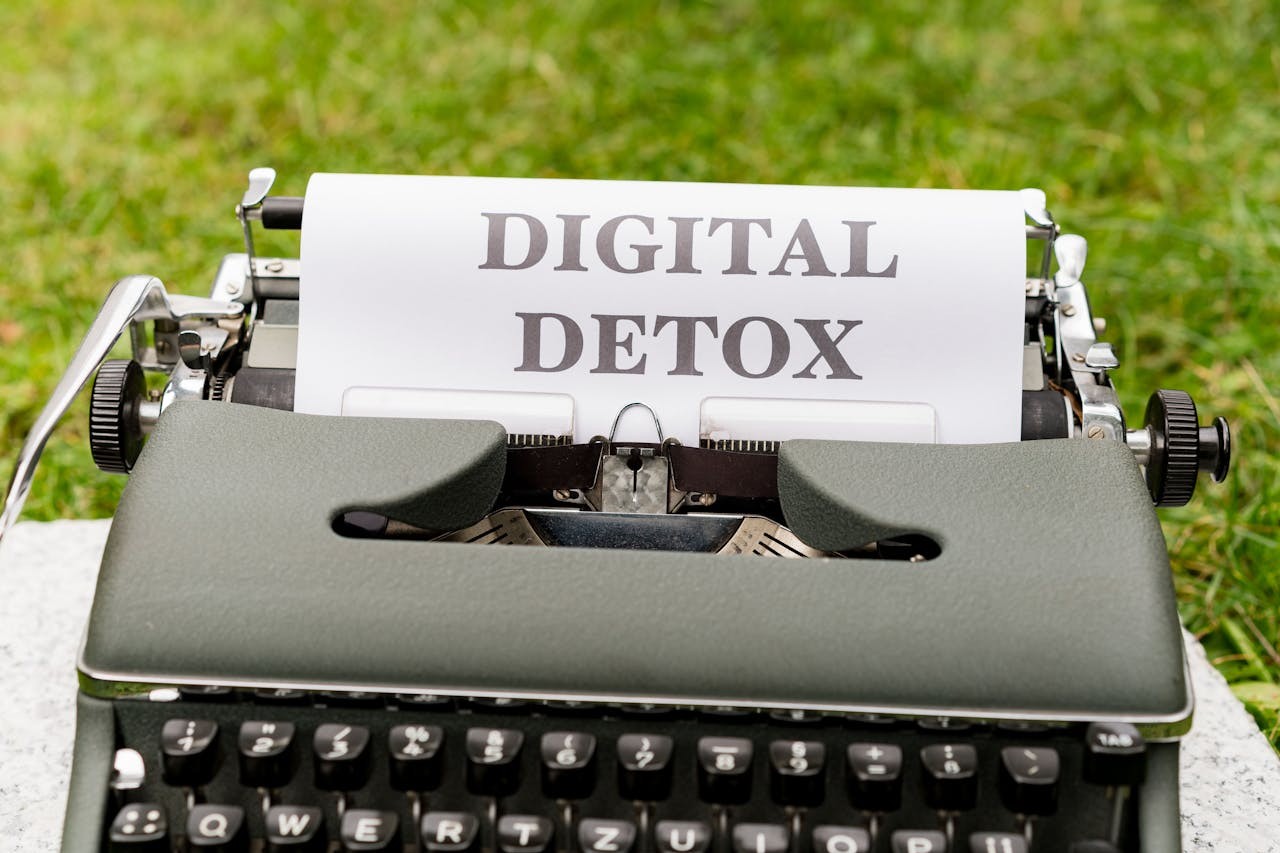

There was a time when evenings were for quiet conversation, early mornings for watching birds or feeling the sun, and journeys for looking out the window, not watching a screen. But in 2025, to unplug feels radical. Technology detox—once a fringe idea—has now become one of the biggest wellness trends, echoing in retreats, books, podcasts, and everyday life. When everything buzzes, detoxing becomes survival. Let me walk you through what’s changing, why people are choosing to disconnect, and some storytelling ideas about what you can do when your phone, computer, and TV are off.
The rising tide of unplugging
Over the past couple of years, digital detox isn’t just about logging off social media for a day. People now want more meaningful breaks. The retreat business is booming. Destinations offering “no Wi-Fi” rooms, or even locking devices away for the stay, are being booked out. Some resorts now advertise lack of connectivity as a main feature. Disconnecting is becoming a luxury, but also increasingly a necessity.
Younger people are particularly drawn to what’s called nature bathing, which means just being outdoors and fully present—listening, walking, breathing, noticing. One story from Mumbai describes someone heading to their village in the monsoon, leaving behind screens, just soaking up fog, birdsong, and dawn. Moments like these are becoming staples in the narrative of detox.
At home, the ideas are simpler: digital curfews, phone-free zones (bedroom, dinner table), deleting social media apps, turning off notifications. People admit how addicted they feel—to the point of panic if their phone is misplaced. But as some begin to change habits, most find that the discomfort in the first 24–48 hours gives way to a kind of calm they had forgotten existed.
Why we need this
There’s a psychological price for our constant connectivity. The stress of never being “off duty” or unreachable accumulates. Notifications become interruptions, not helpful reminders. Sleep gets compromised by blue light and mental stimulation just before bed. Anxiety creeps in when comparisons on social media distort reality. Presence suffers. Relationships sometimes weaken because we’re only half-there.
The benefits of unplugging show up quickly. Reduced stress, better sleep, sharper attention, deeper conversations, more creativity. People report not only feeling better but seeing things more clearly—what matters, what kinds of presence or silence actually feed them.
What is trending now in how people do detox
One trend is retreats and hideaways that are built around the idea of being off grid but comfortably so. It’s not about roughing it but making the disconnect feel enriching—not punishing.
Another trend is scheduled detoxes: one day a week without devices; 24-hour social media fasts; or limiting screen use to certain chunks of time. People set boundaries: no devices in the bedroom, none at dinner, maybe none until mid-morning. What’s interesting is how many describe that first resistance—checking the phone out of habit, feeling phantom notifications, anxiety—then gradually noticing that life outside the screen is more vivid, more present.
There is also growing interest in offline hobbies as anchors for the detox. Reading physical books, gardening, cooking using traditional tools, crafts, playing a musical instrument, handwriting letters—all of these are not new, but they’ve become more respected, more consciously chosen. In some communities, people share “phone avoidance” tips, swap books, organise walks in nature, even meet with others to talk about doing less technology rather than more.
Another place this plays out is in the home environment—digital boundaries: device-free zones, screen-free mornings or evenings, turning off push notifications, hiding or locking up devices to reduce temptation. People are experimenting with turning their homes into spaces that naturally discourage constant tech use.
A story: a week without screens
Imagine this: you decide Monday is going to be your “screen minimal” day. You leave your phone in another room except for essential calls. Your TV stays off. No laptop unless it's absolutely necessary. You tell a few close friends ahead so they know you might be slow to respond.
Waking up, you feel a little blank—what do I check first? But instead of opening your phone, you lie there listening to the morning birds, or maybe you stretch, write, or sip coffee slowly. Because you aren’t immediately pulled into endless feeds, your thoughts wander.
By midday, you pick up a task you’d been avoiding: maybe cooking something new from scratch. The chopping, the smells, the way you have to concentrate shift you into a rhythm. No background show, no phone buzzing. Lunch tastes more like lunch.
Afternoon: you decide to go outdoors, maybe for a walk, maybe visiting a friend. In conversation, without the temptation to check your pocket, you notice things the phone usually steals your attention from—the light on the trees, how the breeze feels, how it is to just walk without noise in your ear.
Evening: you open a physical book. You read until drowsy. Sleep comes easier. No blue light, no mental chatter from the last TikTok or email. The next morning, you wake and feel different: quieter, maybe more gentle with yourself.
At the end of the week, you don’t suddenly give up screens forever. But you carry with you a taste: “I can live without checking Instagram every hour. I like conversation that’s not interrupted. I want a home that doesn’t demand I constantly look at something.” And maybe you build that into your habits: a screen-free breakfast, phone curfew, or one day a week you unplug.
Ways to spend time without smartphones, computers, or TV
When you let the screens rest, you need things to do. The beauty is that what you choose often becomes more meaningful than what you gave up.
Reading real books, old dusty ones or new ones, something with pages you can feel. Let your imagination spin stories or ideas. Listening to music—on vinyl, on the radio, letting the crackle and imperfections be part of it. Drawing, painting, or even doodling without aiming for a masterpiece. Gardening: digging in the earth, smelling soil, growing something simple. Cooking or baking with intention: using fresh ingredients, tasting as you go, making something beautiful and nourishing. Learning something tactile: knitting, pottery, weaving, woodworking. Going outdoors for walks, hikes, or just sitting under trees.
Spending time with people: tea with a friend, talking, laughing without phones between you. Also, letter-writing or journaling: what are you noticing, what thoughts surf up when you're not being fed constant input. Being bored, letting days stretch without planning every moment, without the constant itch to fill them with digital content. That stretch is where interesting thoughts live. Observing nature, cloud shapes, shadows, the sunset. Exploring local places: museums, parks, shops, trying things you’ve ignored before because you always had something else to scroll. Physical movement: dance, yoga, walking, cycling, climbing. Silence. Just sitting. Meditation. Naps.
Often, the simple, small things become the ones you come back to. The things that help you remember you’re alive, not always consuming, reacting, scrolling, responding.
Challenges and what helps
Detox is strange at first. You might feel restless, bored, or even guilty for not being “productive” in conventional ways. A part of you will reach for the phone out of habit. Notifications will still blink. Old routines tug at you.
What helps is kindness with yourself. Don’t aim for perfection. Start small. Maybe begin with a few hours or single evenings. Make agreements: screen-free Sunday morning, no phones at dinner, etc. Keep something to anchor with—a book, a creative project, a walk. Make it social: invite a friend, or family, to join you—or at least share your intention so they don’t expect digital-fast responses. Replace, not just remove: when you take something away, having what to do instead matters. Think of what you love, maybe forgot, maybe never tried. Prepare ahead: get the book, the art supplies, the shoes for walking.
A final helpful trick is to redesign your physical space a little: charge your phone away from your bed, pull the plug on devices, dim the lights before bedtime, create corners or shelves for offline hobbies. The less friction there is to avoid screens, the more likely you are to succeed.
Why it’s worth it
The technology detox trend isn’t some passing fad. It grows because people are realizing something that feels essential: that perpetual connection often steals life’s texture. Waking up without wanting to check the phone, eating without scrolling, being bored and discovering what grows in that space: these small freedoms accumulate. Presence becomes more vivid. Relationships feel fuller. Sleep becomes deeper. Internal chaos quiets down.
In a world built on being seen, being updated, being always on, choosing to be off sometimes is a way of sovereignty—over your attention, your peace, your mental space.
Maybe tonight, or tomorrow morning, try this: decide one small window—a meal, an evening hour, the hour before bed—where no phones, computers, or TV are allowed. Choose what you’ll do instead: read something you love, talk, walk, look out the window. Notice how it feels. Don’t judge it. Let the rest of your day be nearly normal. Then build from there: extend the time, pick another hour, declare a day. Let the detox be something gentle rather than rigid. Over time you’ll likely discover that the most nourishing moments weren’t mediated through screens at all.
At its heart, technology detox is less about avoiding devices and more about choosing presence. It asks us: what in our world deserves attention? What can we savour if we stop always being plugged in? The answers are often simple, often nearby, yet they resonate deeply. To live more attentively, more fully, sometimes the greatest revolution is turning things off.
