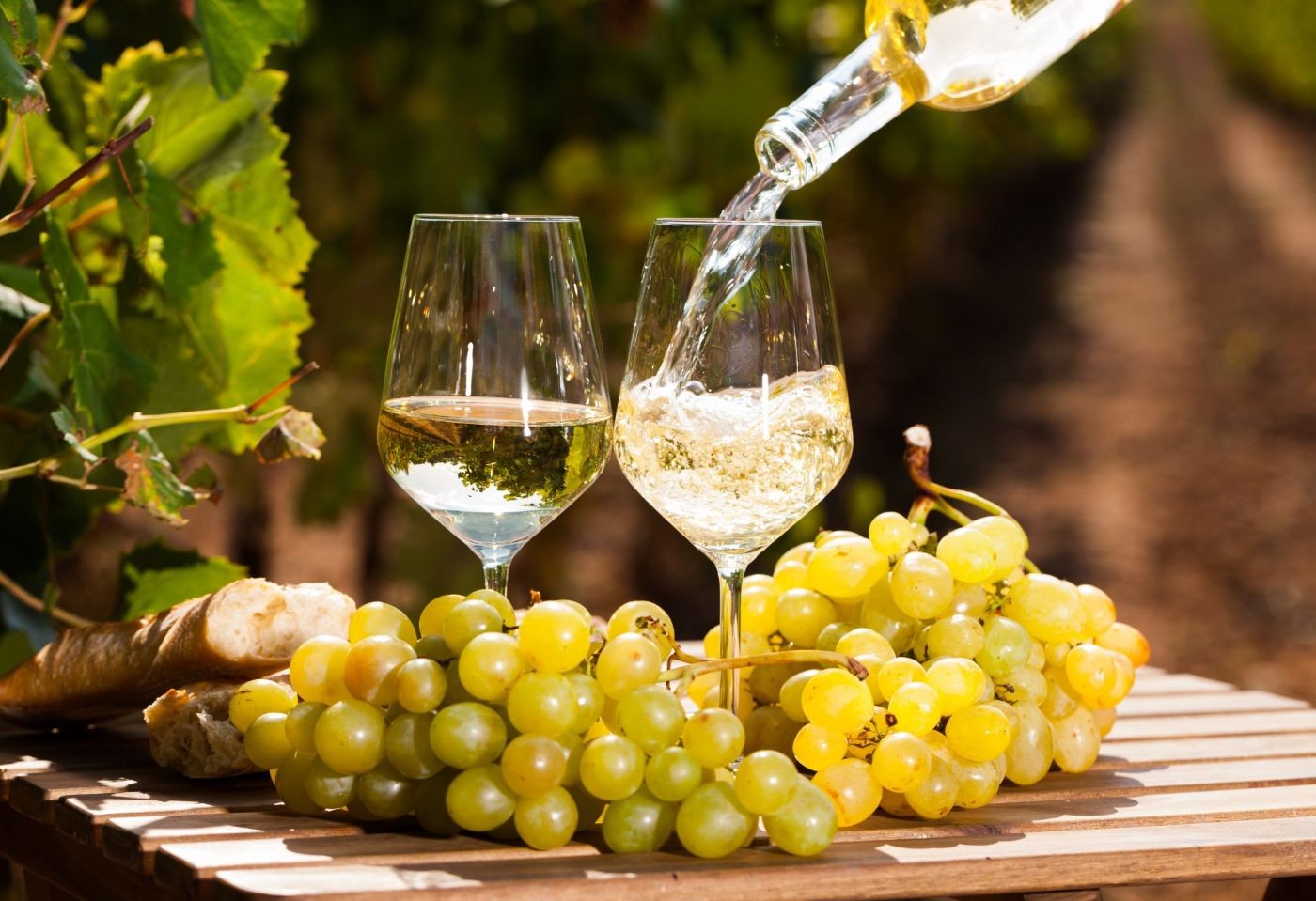

Greece invites wine lovers on a captivating odyssey. From the sunbaked terraces of Santorini to the dramatic slopes of Nemea, and from the rugged landscapes of Crete to the cool hills of Macedonia, Greek wineries redefine regional expression and terroir. While this ancient land traces wine’s roots over 6,500 years, today it bursts with new energy, led by passionate winemakers reviving indigenous grape varieties and crafting vibrant, value-driven wines. If you seek the essence of Greek wine, its winery stories, and its multi-faceted heritage, this journey starts here.
A Rich History Revived
Greece shaped wine culture from its earliest days. Ancient pottery and grape press evidence show Greeks fermented wine for ritual, trade, and daily life. The Romans prized Greek wines, spreading tastes across the Mediterranean. This tradition continued through Byzantine and Venetian eras, with decorated ports like Monemvasia exporting prized bottles across Europe.
In recent decades, Greek wine has surged forward. Winemakers embraced both tradition and innovation, revitalizing vineyards, upgrading infrastructure, and championing native grape varieties that express character and place. This blend of old-world heritage with modern flair raises Greece onto the global wine map. Trends in 2025 favor lighter alcohol wines, sustainable methods, and Mediterranean grape varieties—making Greece’s Indigenous Greek grapes and light chillable reds incredibly relevant.
Native Grapes: A Palette of Greek Flavor
Greece boasts dozens of indigenous varieties, each offering vivid, distinct flavors. Let’s explore some compelling grapes:
Assyrtiko stands as Greece’s iconic white grape. Born in Santorini’s volcanic soils, it delivers piercing acidity, citrus brightness, and mineral depth. Vintners craft dry whites, skin-contact “orange wine” styles, and aged Vinsanto sweet wines from sun-dried grapes. More accessible mainland versions echo its crispness and affordability.
Xinomavro, hailed as the “most noble” red, delivers high acid, structured tannins, and complex aromas reminiscent of Nebbiolo—think dried tomatoes, herbs, and deep cherry. Winemakers now produce vibrant reds, nuanced rosés, and even sparkling expressions that express terroir at its most potent.
Agiorgitiko, often called the “Blood of Hercules,” thrives in Nemea. Its spectrum spans soft, fruit-forward reds to bold, age-worthy bottlings, plus velvety rosés—its adaptability earned it Greece’s widest red planting.
Moschofilero, an aromatic white, offers floral, peachy aromas akin to Viognier. Greece styles it as a fresh white or pale rosé, capturing summer in a glass.
Malagousia, once nearly extinct, revived to offer jasmine-scented whites with tropical fruit and elegance. Crete also delivers Vidiano, an emerging star—complex, peachy, apricot-scented whites with herbal undertones.
Mavrotragano, an ancient Cycladic red, almost vanished before revival. It yields deeply colored, mineral-backed reds and rosés with high aging potential.
Thrapsathiri (Crete) thrives in drought, bringing aromatic whites with soft acidity—genetically linked to Vidiano.
Romeiko (Crete/Cyclades) produces versatile wines—red, rosé, or white—and even a Sherry-like marouvas that graces local tables.
These grapes align with trending themes: Mediterranean varieties, lighter and aromatic styles, orange wine, and sustainable viticulture.
Ten Renowned Greek Wineries: Regional Stars
I spotlight ten wineries featured on Greece and Grapes, each anchored in different zones and expressing diverse grape styles:
In Santorini, Estate Argyros earned Hall of Fame status for its Assyrtiko Cuvée Evdemon, a mineral-rich white that channels volcanic terroir. Nearby, Artemis Karamolegos Winery crafts expressive whites like Pyritis and Kamaras, rooted in Assyrtiko’s crisp power.
The Peloponnese gives us Athanasiou Winery, which produced Thronos Agiorgitiko reds—fruity, structured expressions anchored in Nemea tradition.
In Evia, Avantis Estate blends Malagousia with Sauvignon Blanc in Falcons Hill, delivering aromatic whites that highlight floral and fruit-forward appeal.
Macedonia offers Ktima Biblia Chora, with Ovilos White—a crisp Assyrtiko–Semillon blend combining indigenous purity with a refined seaside freshness.
Crete boasts two leading producers: Douloufakis Winery pairs Vidiano and other natives (Aspros Lagos) into complex, herb-scented whites. Lyrarakis Winery delivers workhorse indigenous whites and reds—like Dafni Psarades and Liatiko Aggelis—revitalizing historic Crete vines.
In Thessaly, Ktima Zafeirakis champions Limniona with its Limniona Young Vineyards, reviving this native red with freshness and vigor.
These wineries capture Greece’s full geographical and varietal spread—from volcanic whites to resilient reds and aromatic newcomers.
Why Greek Wine Shines Right Now
Greek wine continues its ascent on the global stage. Since the 1990s, improved viticulture and renewed faith in indigenous Greek grapes have raised quality and reputation. International recognition grows as sommeliers seek expressive, terroir-driven bottles.
Consumers increasingly favor lower-alcohol and sustainable wines—Greek producers answer with lighter, aromatic cosmopolitan styles and indigenous Mediterranean grapes that fit modern dining and environmental values.
Budget-conscious wine lovers find extraordinary value in Greek bottles. Stores report rising popularity of Greek wines under €10, especially Assyrtiko and Xinomavro, praised for food pairing and flavor delivery.
Greece also embraces orange wine and light chillable reds, fulfilling rising trends in wine curiosity and experimentation.


Tasting Guide: A Greek Wine Adventure
Begin with Assyrtiko’s brisk whites—from Santorini’s bracing clarity to supple mainland versions that deliver crisp lime and sea salt. Try an orange-style version for bold texture and depth.
Shift to Moschofilero or Malagousia when you want floral lift and gentle aromatics—brilliant summer wines paired with cheese or seafood.
Then explore Vidiano or Thrapsathiri, Crete’s aromatic whites layered with stone fruit and herbs. These reward slow savoring and adventurous pairing.
Move into Xinomavro reds from Naousa—structured and intense, developing into compelling aged wines or fresh rosés and even boutique sparkling styles that show nostalgic yet modern versatility.
Taste Agiorgitiko’s reds and rosés, which deliver juicy plum, spice, and approachable tannins in lighter bottlings or powerful complexity in barrel-aged expressions.
Dive deeper into Mavrotragano or Limniona, where deep flavor, spice, and mineral lines await rediscovery by daring drinkers.
Finally, sip a fortified or dessert-style Vinsanto or Mavrodaphne to close the tasting with a nod to tradition and sweetness—though optional, they wrap up the journey richly
Final Thoughts
Greece writes a compelling wine story that balances ancient legacy with modern life. Bold Assyrtiko, noble Xinomavro, plush Agiorgitiko, fragrant Moschofilero, elegant Malagousia, rare Vidiano, and dramatic natives like Mavrotragano and Limniona each add vivid chapters.
Visit the ten featured wineries—Estate Argyros, Artemis Karamolegos, Athanasiou Winery, Avantis Estate, Ktima Biblia Chora, Douloufakis, Lyrarakis, Ktima Zafeirakis—and taste how place, grape, and personality converge.
Greek wine invites curiosity, reward, and connection. It fits today’s trends—Mediterranean variety, sustainability, lower-alcohol styles, orange wine, and value—while answering timeless demands for authenticity and flavor. You don’t just taste a bottle—you experience a land, a centuries-long story, and a future rich in discovery.
