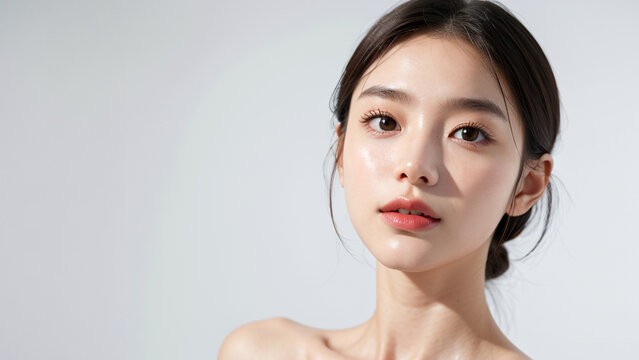

Korean Beauty, widely known as K-Beauty, has taken the global skincare and cosmetics industry by storm over the past decade. Characterized by innovative formulations, unique ingredients, and a holistic skincare philosophy, K-Beauty has transformed how people around the world approach skin health. No longer just a regional trend, Korean beauty has become a multi-billion dollar industry influencing major cosmetic brands and redefining global beauty standards.
This article explores the origins, principles, product types, and cultural influence of K-Beauty, as well as why it continues to capture the world’s attention.
Origins and Philosophy of K-Beauty
K-Beauty’s roots lie in South Korea’s long-standing emphasis on skincare as a form of self-care and health. Unlike many Western routines that prioritize covering flaws with makeup, K-Beauty focuses on preventive care, hydration, and achieving a natural, dewy glow—often referred to as "glass skin."
The cultural preference in Korea for clear, radiant, and youthful-looking skin drives the industry's constant innovation. This approach has led to a skincare-first mentality where glowing skin is the canvas, and makeup is secondary.
Key K-Beauty principles include:
- Prevention over treatment: Taking steps to prevent skin issues before they arise.
- Hydration is key: Healthy skin starts with moisture.
- Layering lightweight products: Instead of heavy creams, K-Beauty promotes layering serums and essences.
- Natural ingredients: Traditional herbs and modern science meet in many K-Beauty products.
The Famous Korean Skincare Routine
Perhaps the most iconic aspect of K-Beauty is its multi-step skincare routine. While it may sound excessive to some, each step has a distinct purpose. The routine typically ranges from 5 to 10 steps, but it's customizable based on individual needs.
- Oil Cleanser
Used to remove makeup, sunscreen, and oil-based impurities. Cleansing oils like camellia, green tea, or rice bran are common.
- Water-Based Cleanser
Completes the "double cleansing" method by removing sweat and water-based debris. Foaming or gel cleansers are used here.
- Exfoliator
Applied 1–2 times a week to slough off dead skin cells. Popular exfoliants include AHAs, BHAs, and gentle physical scrubs.
- Toner
Balances the skin’s pH and preps it for better absorption. Unlike alcohol-based Western toners, K-Beauty toners are typically hydrating.
- Essence
A lightweight but powerful product unique to K-Beauty, combining hydration and active ingredients.
- Serum/Ampoule
These are concentrated treatments targeting specific issues like pigmentation, fine lines, or acne.
- Sheet Mask
Infused with serums and essences, sheet masks provide deep hydration and are a pampering treat.
- Eye Cream
Designed to hydrate and protect the delicate under-eye area, often with ingredients like ginseng or snail mucin.
- Moisturizer
Seals in previous layers and maintains moisture barrier integrity.
- Sunscreen (Morning Only)
Arguably the most important step—UV protection is a must, even on cloudy days.
While this routine may not be practical for everyone every day, the emphasis is on customization and consistency.
Unique and Innovative Ingredients
K-Beauty is known for incorporating both time-tested and cutting-edge ingredients. Many of these were either introduced or popularized through K-Beauty.
- Snail Mucin: Known for its healing and regenerative properties.
- Centella Asiatica (Cica): Calms redness and inflammation.
- Propolis: A resin made by bees that hydrates and soothes.
- Fermented Ingredients: Improve absorption and antioxidant levels.
- Ginseng: Traditional Korean ingredient that revitalizes and firms the skin.
- Mugwort: An herb with calming, anti-inflammatory benefits.
- Rice Extracts: Used for brightening and moisturizing.
These ingredients often appear in combinations, targeting several skin concerns at once.
K-Beauty Makeup Trends
While skincare takes center stage in K-Beauty, makeup also has its distinct style and innovations.
- Dewy, glowing skin: Achieved through light-coverage cushions or BB creams.
- Gradient lips: A soft fade of color from the center outward.
- Straight brows: Seen as youthful and innocent.
- Soft blush: Applied close to the nose for a natural flush.
- Minimal contouring: A focus on enhancing natural features over reshaping them.
- Cushion compacts: Liquid foundation housed in a sponge, applied with a puff.
- Tinted lip and cheek stains: Long-lasting and multifunctional.
- Essence-infused foundations: Combine skincare and makeup in one.
K-Beauty’s popularity has soared worldwide, especially across North America, Europe, and Southeast Asia. International retailers like Sephora, Ulta, and even drugstores now carry Korean brands such as , Beauty of Joseon, Anua, Laneige, COSRX, Innisfree, Etude House, Dr. Jart+ and more.
This global rise has influenced Western beauty brands in several key ways: Shift toward skincare-first marketing - Introduction of multi-step skincare kits - Increased focus on ingredients and transparency - Packaging inspired by playful, minimalist K-Beauty design - Incorporation of new product types like essences and sleeping masks
Social media, especially YouTube and TikTok, has played a major role in spreading K-Beauty trends. Influencers and dermatologists alike often feature Korean products for their innovation and affordability.
Why Consumers Love K-Beauty
There are several reasons why K-Beauty continues to dominate international skincare markets:
- Affordability: High-quality formulas at reasonable prices.
- Innovation: Constant product development and new trends.
- Customization: Wide range of products for every skin type and concern.
- Ingredient Integrity: Focus on beneficial, often natural ingredients.
- Aesthetic Appeal: Cute, clean, or luxurious packaging enhances the user experience.
- Holistic Wellness: Emphasis on self-care, rituals, and inner wellness.
Despite its global praise, K-Beauty is not without criticism:
- Overwhelming steps: The full routine can feel intimidating or impractical.
- Whitening terminology: Some products still use "whitening" language, which may cause confusion or discomfort in Western markets.
- Lack of diversity: Products are often designed with lighter skin tones in mind, though this is slowly changing as brands go global.
- Environmental concerns: Frequent packaging and sheet masks raise sustainability issues, though many brands now offer eco-friendly alternatives.
Korean beauty is not just a skincare routine; it’s a cultural mindset that values self-care, consistency, and prevention. By focusing on skin health rather than quick fixes, K-Beauty has reshaped the global conversation around beauty. Whether you're layering a lightweight serum, indulging in a sheet mask, or patting on SPF every morning, the influence of Korean beauty is likely already in your routine.
As K-Beauty continues to evolve with innovations in biotechnology and sustainability, one thing is clear: the world is still very much enamored with the Korean approach to beauty.

