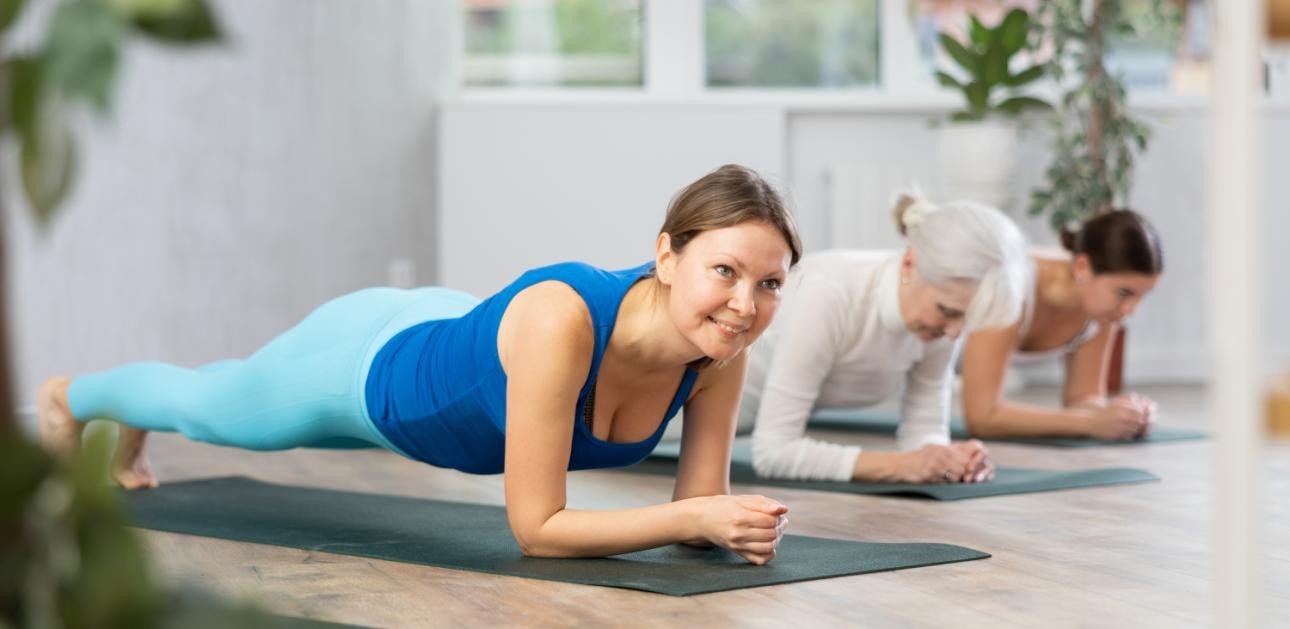

For many women, turning 50 marks a new chapter — one filled with wisdom, confidence, and a deeper understanding of personal health. But it can also come with physical changes that are hard to ignore: slower metabolism, reduced muscle mass, joint stiffness, and increased fatigue. The good news? Regular exercise can counteract many of these changes and help women not only feel better but thrive well into their later years.
You don’t have to be an athlete or hit the gym daily to experience the benefits. The key is finding movement that fits your life, your body, and your goals — and making it a consistent part of your routine.
The Power of Movement
As we age, our bodies naturally undergo a process called sarcopenia — the gradual loss of muscle mass. This can affect strength, posture, and even everyday tasks like carrying groceries or getting out of a chair. Combined with decreasing bone density and hormonal shifts that come with menopause, the physical changes can feel overwhelming.
But movement is powerful. Simple, intentional exercise helps preserve muscle, strengthens bones, and improves balance. It also boosts heart health, regulates blood sugar, and helps manage weight — all of which become increasingly important after 50.
Beyond the physical, the mental and emotional benefits are just as profound. Exercise is a proven mood booster, thanks to those wonderful endorphins. It can help ease anxiety, combat depression, and even improve memory and brain function. In fact, studies suggest regular physical activity may lower the risk of dementia and Alzheimer’s disease.
What Kind of Exercise Works Best?
For women over 50, a balanced approach is ideal — one that includes cardiovascular movement, strength training, flexibility, and balance work. But don’t let that intimidate you. This doesn’t mean hours at the gym or expensive equipment. It can be as simple as going for a brisk walk, doing bodyweight exercises in your living room, or following a yoga video on YouTube.
Cardiovascular exercise — anything that gets your heart pumping — supports your heart and lungs and helps maintain a healthy weight. Walking, cycling, swimming, or even dancing around your kitchen can all count.
Strength training is perhaps the most important — and often the most overlooked — component. It helps preserve muscle mass, boosts metabolism, and protects your bones. You don’t need heavy weights to get started. Resistance bands, light dumbbells, or even your own body weight can be incredibly effective.
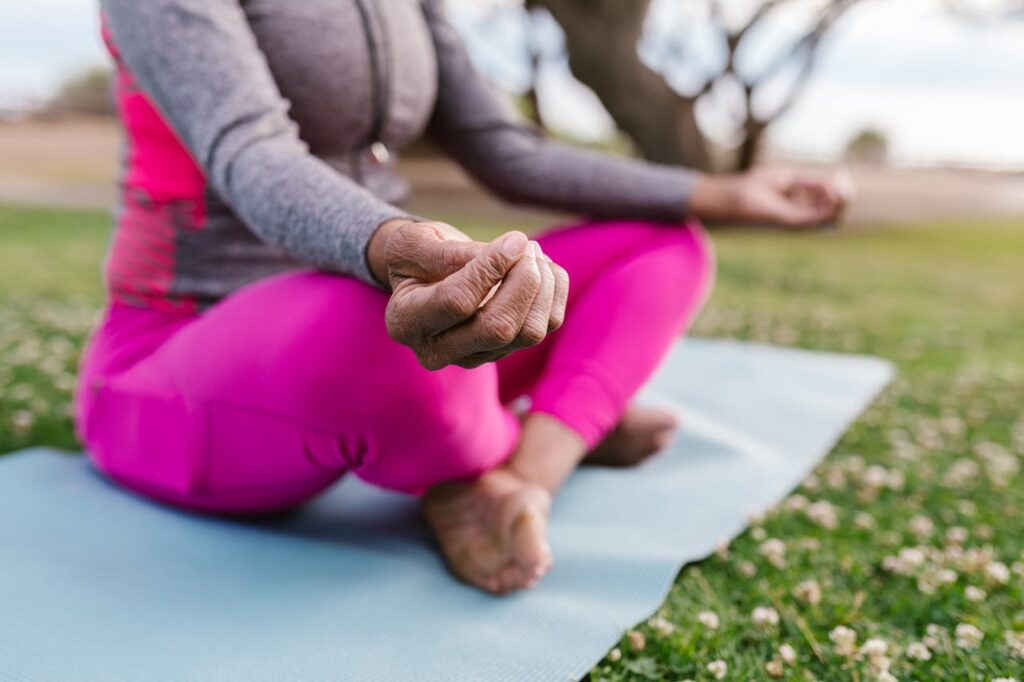
Flexibility and mobility also deserve attention. As we age, joints can become stiffer, and muscles less pliable. Incorporating gentle stretching or practices like yoga can improve range of motion, reduce pain, and help you move more freely throughout the day.
Balance exercises are particularly useful in preventing falls — a major concern for older adults. Simple movements like standing on one foot or walking heel-to-toe can make a big difference. Tai Chi and yoga are especially beneficial for improving balance and coordination.
Getting Started — Without Overwhelm
If it's been a while since you last exercised, it’s okay. There’s no need to dive into a full-blown workout plan. Start with something that feels manageable. A 15-minute walk around your neighborhood. A few gentle stretches in the morning. Even five minutes of light movement is better than none.
The key is consistency. It’s not about intensity or perfection — it’s about making movement a regular part of your day. Think of it like brushing your teeth: a small act with big long-term benefits.
If you're unsure where to begin, consider finding a beginner-friendly class, either online or in-person. Group classes designed for women over 50 can offer structure, motivation, and a sense of community. Alternatively, working with a personal trainer who understands aging bodies can help you build confidence and ensure you're using proper form.
Common Concerns — and How to Move Past Them
Many women hesitate to start exercising later in life for various reasons: fear of injury, lack of time, or simply not knowing where to begin. It’s completely normal to feel this way.
But the truth is, you don’t need to be fit to start — you just need to start to get fit. And exercise doesn’t have to look like it did in your 20s or 30s. Your body has changed, and your fitness routine should evolve with it.
If you’re worried about injuries or chronic conditions like arthritis or back pain, consult your doctor or a physical therapist. They can guide you toward safe, effective movements that work with your body, not against it.
If motivation is the challenge, try setting small, specific goals. Keep a journal of your progress. Reward yourself for milestones. And don’t underestimate the power of a good playlist or a walking buddy to keep things fun and engaging.
It's About Thriving, Not Just Surviving
Exercise in your 50s, 60s, and beyond isn’t about chasing youth — it’s about embracing vitality. It’s about having the energy to play with your grandchildren, travel, garden, or simply enjoy your daily life without aches and limitations.
By staying active, you’re investing in your independence, your mental sharpness, and your emotional well-being. You’re making a commitment to yourself — to feel strong, capable, and alive in your body.
So whether it’s a morning walk, an afternoon stretch, or dancing in your living room, move in ways that bring you joy. Movement doesn’t have to be perfect. It just has to be yours.
Because you are not too old. And it’s never too late.
