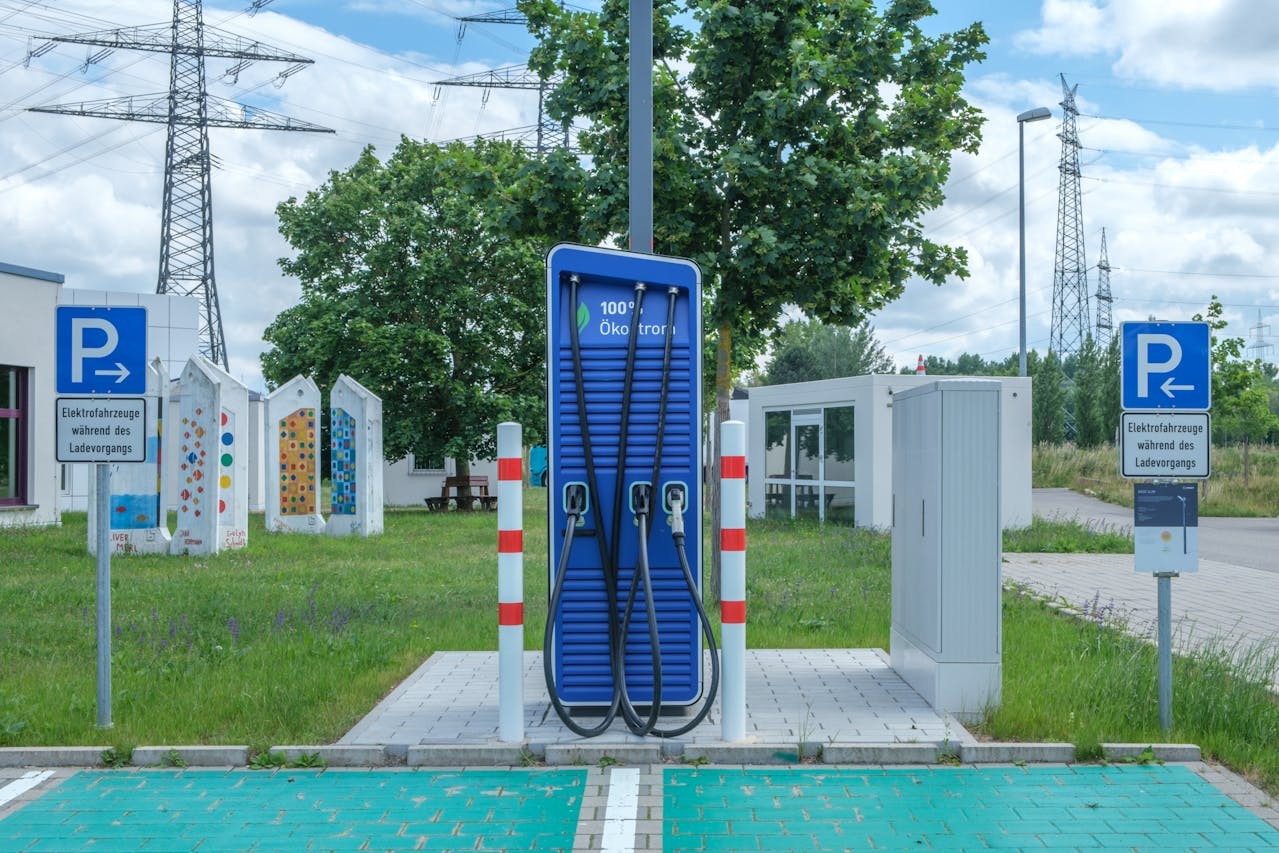

City driving asks for nimbleness, cheap running costs, and the kind of small footprint that makes parking feel like a superpower. Below are seven small electric cars (and microcars) that shine in urban life — chosen for affordability, size, and real-world practicality. Each section includes quick pros and cons so you can match the car to your city life.
-
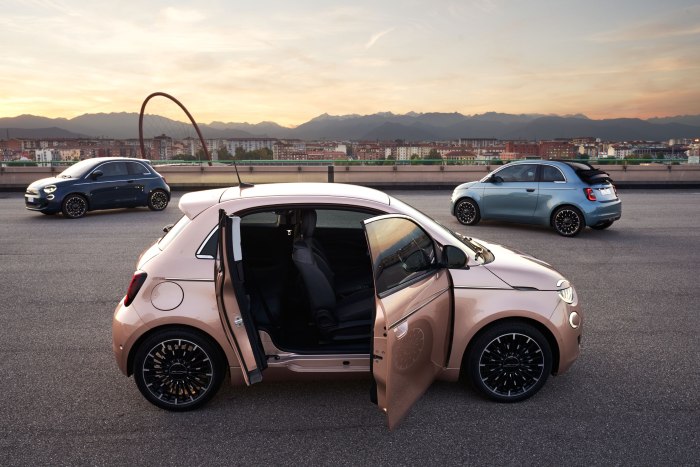
Fiat 500e — Style meets city range
The retro-cute Fiat 500e blends iconic looks with modern electric tech. It’s an ideal single- or couple-city runabout with punchy low-speed acceleration and a compact footprint that’s a parking ninja. Real-world range for the 42 kWh variant sits around ~140–160 miles (city-focused).
Pros:
- Stylish, fashionable design — great for city image.
- Good low-speed torque for urban traffic.
- Decent fast-charging capability on higher-spec batteries.
Cons:
- Small cabin and limited rear-seat space.
- Range is modest compared with larger EVs.
- Price can be premium for the segment.
-
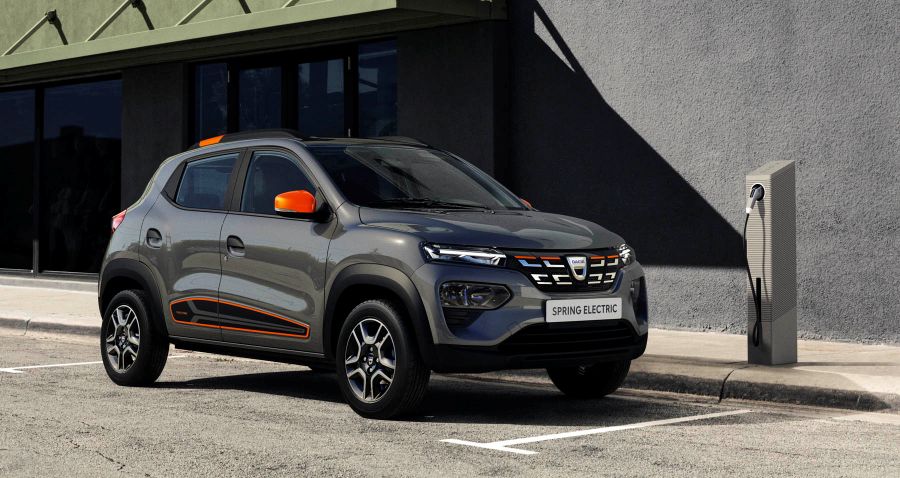
Dacia Spring — The budget, fuel-saving champion
If “fuel saving” and low purchase cost are top priorities, the Dacia Spring stands out as Europe’s affordable city EV. It’s pared-down, simple, and built to keep ownership costs tiny — a very green mobility option when you compare lifecycle costs and energy use. Recent updates have improved battery durability and charging.
Pros:
- Extremely affordable purchase price.
- Very low running and charging costs — excellent for fuel saving.
- Practical boot space for a tiny car.
Cons:
- Less refined ride and lower performance than pricier rivals.
- Basic safety and equipment in the cheapest trims.
- Not suited for long motorway trips.
-
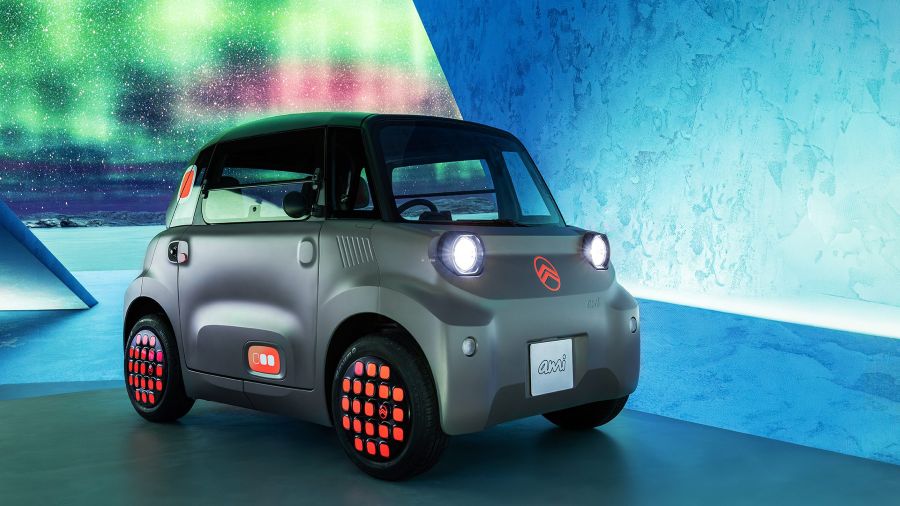
Citroën Ami — Micro EV for inner-city hops
The Ami is a purpose-built micro electric vehicle — basically a comfy, covered scooter on four wheels. It’s tiny, ultra-economical to run, and designed around short trips, last-mile mobility, and very low environmental impact in dense cities. Think “minimalist green mobility” in vehicle form.
Pros:
- Super cheap to buy and operate.
- Tiny footprint — brilliant for parking and narrow streets.
- Electrically zero emissions for city loops.
Cons:
- Very low top speed and short range — only for short urban journeys.
- Extremely basic comfort and safety compared with cars.
- Can feel more like a quadricycle than a car.
-
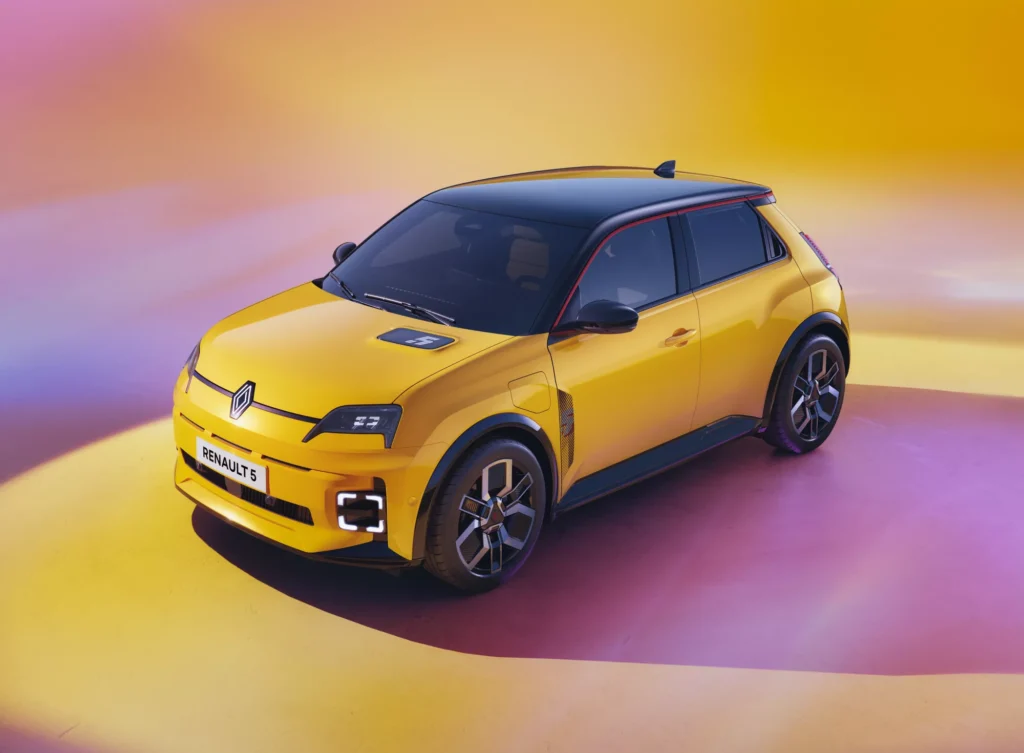
Renault 5 E-Tech — Retro charm with modern EV tech
Renault revived an icon with the Renault 5 E-Tech — a B-segment electric hatch that balances everyday range and compact dimensions. It aims to be a mainstream, eco friendly city car with a modern battery and a focus on making green mobility desirable and accessible.
Pros:
- Appealing retro-modern styling.
- Competitive real-world range for a small EV.
- Practical hatchback layout for city chores.
Cons:
- Pricing and spec levels vary — higher trims add cost.
- Can feel cramped compared with slightly larger B-segment rivals.
- Some versions prioritize style over maximum efficiency.
-
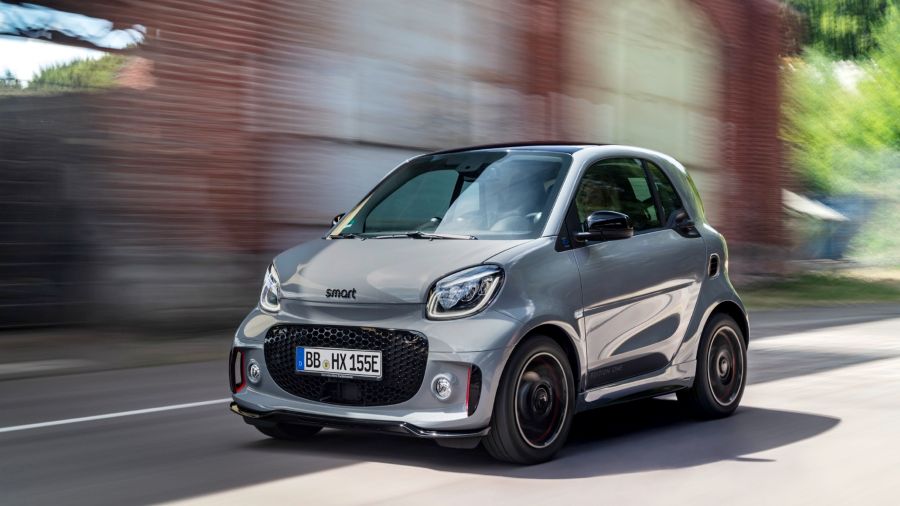
Smart EQ ForTwo — The original city specialist
The Smart Fortwo (EQ ForTwo) remains the archetypal two-seater city EV: ultra-short length, a tiny turning circle, and very low energy use. If you live in dense urban cores and primarily need a one- or two-person runabout, this is a clear green mobility pick.
Pros:
- Smallest footprint — easiest parking and maneuvering.
- Very low charging costs; ideal for short frequent hops.
- Distinctively urban design and personality.
Cons:
- Two seats only — limited practicality for families.
- Short range and modest performance for anything beyond the city.
- Not roomy for groceries or luggage.
-
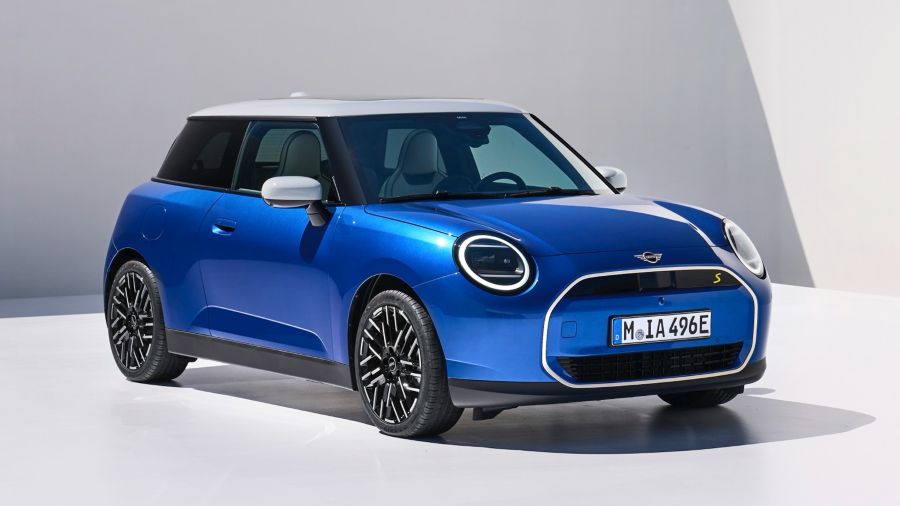
MINI Cooper SE — Fun, premium-feeling city EV
The MINI Electric (Cooper SE) takes the traditional small-hatch formula and gives it an electric heart. It’s playful to drive, with sharper handling than many rivals and a cabin built around premium touches — making it a great choice if you want lively city driving plus eco friendly credentials.
Pros:
- Engaging driving dynamics — fun around town.
- Premium interior and build quality.
- Good brand cachet and retained value in many markets.
Cons:
- Range is adequate but not class-leading.
- Pricier than bare-bones city EVs.
- Rear-seat space is tight.
-
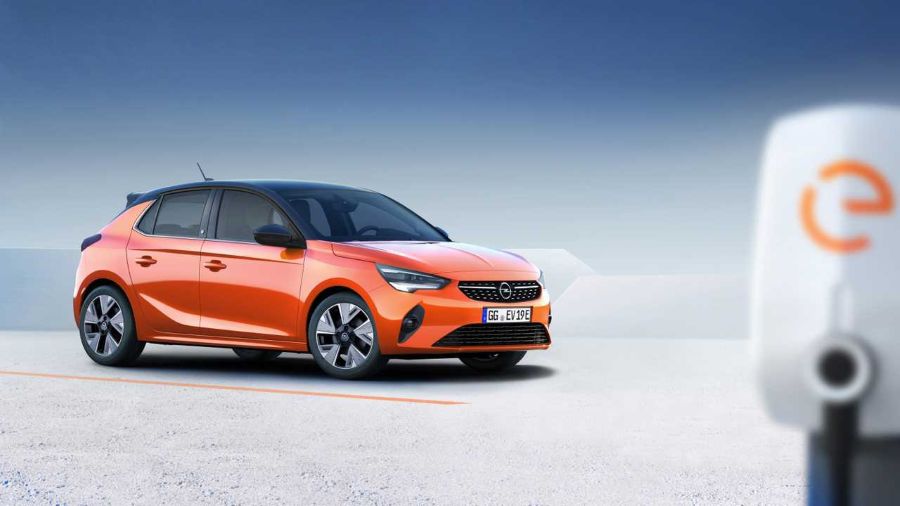
Opel/Vauxhall Corsa-e — Practical and efficient hatchback
The Corsa-e (brother to the Peugeot 208 EV) bridges small size with genuine practicality: a proper 4-seat layout, useful luggage space, and ranges that make it viable for longer commutes while still being compact enough for the city. It’s a pragmatic green mobility pick — efficient without absurd compromises.
Pros:
- Good real-world range for a small EV.
- Comfortable ride and family-friendly layout.
- Efficient energy use — sensible for fuel saving.
Cons:
- Not as tiny as microcars — less ideal for extremely tight parking.
- Can be more expensive than the cheapest city EV options.
- Styling and features are conservative.
How to pick the best small electric city car for you (quick checklist)
- If your priority is the lowest running cost / fuel saving: pick Dacia Spring or Citroën Ami.
- If you want style and a premium feel: Fiat 500e or MINI Cooper SE.
- If you want maximum practicality with small dimensions: Renault 5 E-Tech or Opel Corsa-e.
- If your city has extreme parking/space limits: Smart EQ Fortwo rules.
Why small EVs win urban life
Small electric cars deliver the trifecta for city dwellers: reduced emissions (eco friendly), dramatically lower energy cost per mile (fuel saving), and a gentler urban footprint that supports true green mobility. Whether you want a fashion statement, a bargain-basement commuter, or a family-friendly compact EV, there’s a tiny electric option to match your priorities. Choose the one that fits how you move through your city — short hops, frequent charging, or occasional longer trips — and you’ll be doing the planet and your wallet a favour.
